Fountain
View All Tags
Many early Greek fountains were connected to natural springs believed to possess sacred qualities. The ancient Greeks frequently associated springs and flowing water with nymphs and gods, especially deities such as Poseidon and local water spirits. One famous example is the Fountain of Peirene in Corinth, which according to mythology was created from the tears of the nymph Peirene. The fountain became one of the city’s main water supplies and was admired for its elaborate architecture and underground reservoirs.
Greek fountain houses evolved significantly over time. During the Archaic and Classical periods, engineers developed sophisticated systems of aqueducts, terracotta pipes, and stone basins to transport water into cities. Public fountains were often built with colonnades, decorative spouts shaped like lion heads, and carefully cut stone channels. In places such as Athens, fountain houses reflected both practical engineering and artistic achievement. The famous Enneakrounos fountain, commissioned during the rule of the tyrant Peisistratus, helped transform Athens by improving access to public water.
Archaeologists have discovered fountain remains throughout the Greek world, including sanctuaries, marketplaces, and residential districts. These structures reveal how advanced ancient Greek hydraulic engineering could be. Even today, the ruins of ancient fountains continue to provide insight into how the Greeks blended utility, mythology, and beauty into the design of their cities.
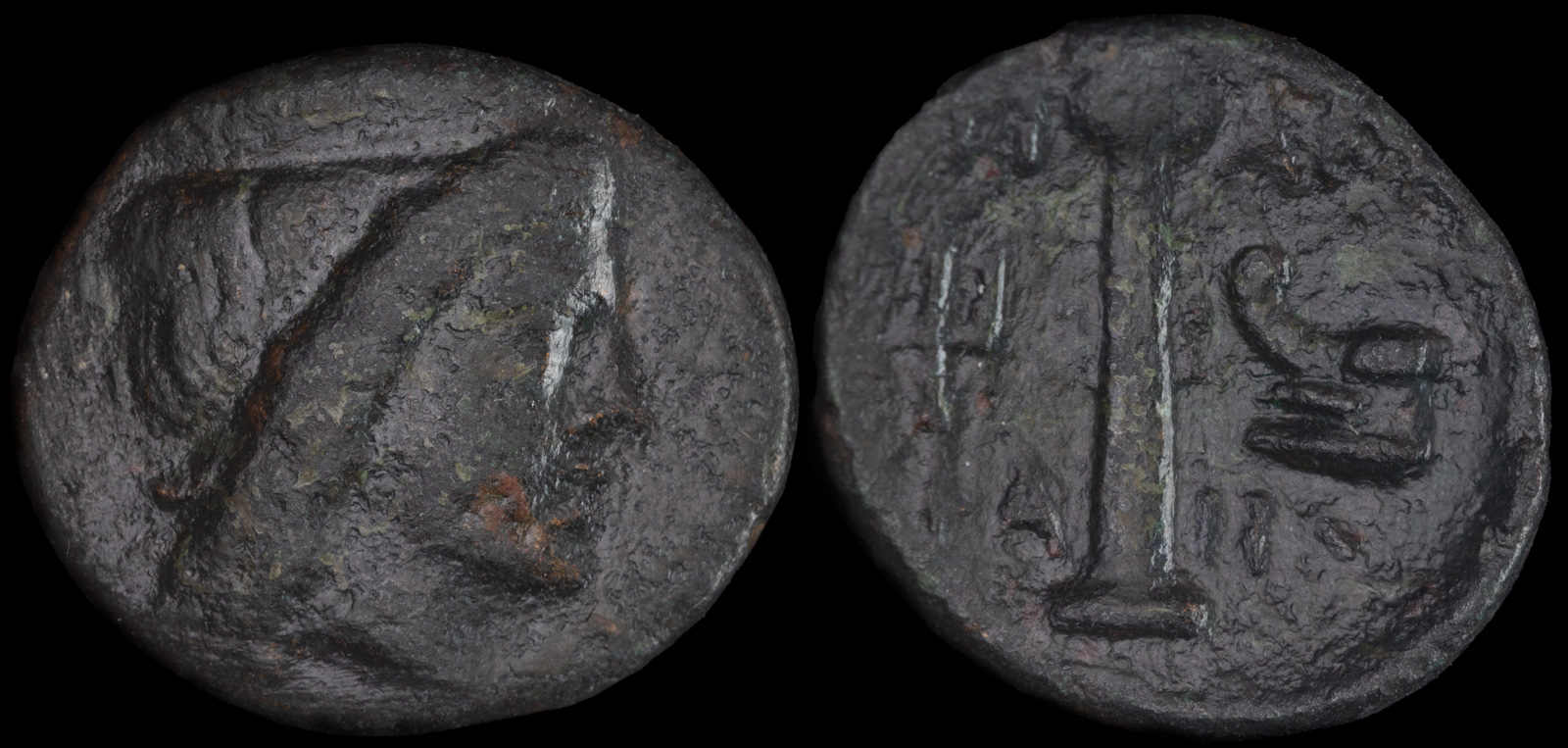
Argos, Peloponnesos
Pamphaes, magistrate
Late 3rd-2nd centuries BCE
AE 17.46mm 3.42g
Obverse: Head of Hera right, wearing stephane
Reverse: Π-AM / ΦA-HΣ, pillar fountain, trident to left, prow to right
BCD Peloponnesos 1155
Ex BCD Collection
Ex Spink Numismatic Circular (April 1987)
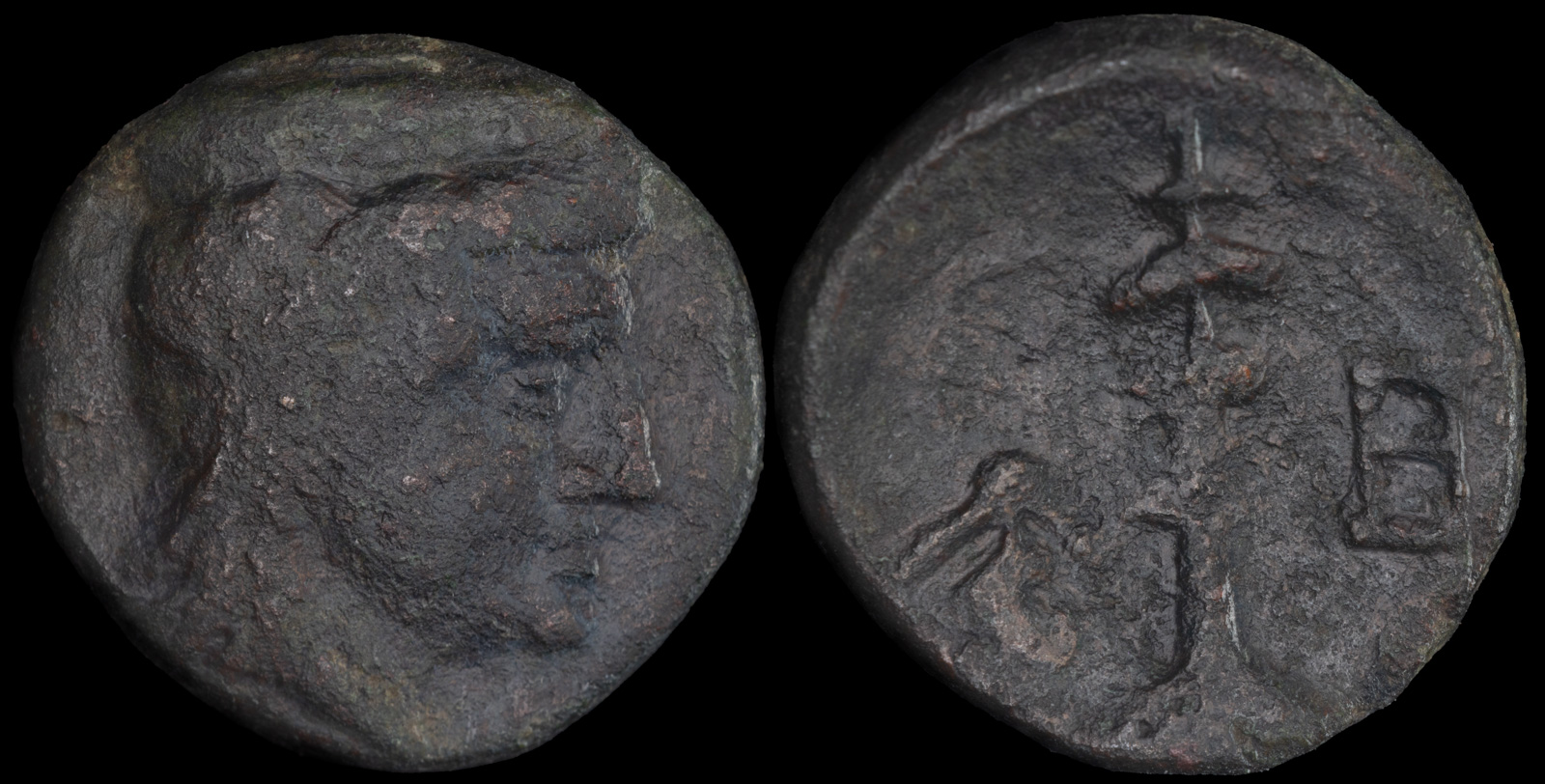
Argolis. Argos
Late 3rd-Early 2nd Century BCE
Æ Dichalkon 16.72mm 3.84g
Obverse: Head of Hera right, wearing ornamented stephanos
Reverse: Pillar fountain, uncertain object to left, archaic heta to right
BCD Peloponnesos 1124-6 types (symbol)
Ex CNG
Ex BCD Collection (not in LHS sale)