Demos
View All Tags
When represented in art, including on coins, the Demos was typically shown as a mature male figure marked by dignity and authority. He often appeared bearded, wearing a himation, and holding symbols of civic power. On certain Athenian reliefs he stands beside Demokratia, the personified spirit of democracy, reinforcing the ideology that the people and the democratic system were intertwined. In some depictions Demos is shown crowning a hero or official, a visual expression of how public honors came from the collective citizenry rather than from an individual ruler.
The most famous numismatic depictions of Demos appear on the coins of the Hellenistic period, especially in cities that wished to emphasize their civic autonomy in an age dominated by monarchs. For example, the Koinon of Macedonia issued coins in the Roman period depicting the Demos of the Macedonians. This figure typically appears as a draped male bust with laurel or fillet, identified by the legend ΔΗΜΟΣ. These coins were not merely decorative. They communicated political identity and collective pride, asserting that even under imperial rule the civic body retained a distinct voice and tradition.
Other cities, including Lampsakos, Kyzikos, and certain poleis in Asia Minor, also experimented with images of Demos to promote civic unity or underscore local privileges granted by kings or Roman authorities. The use of Demos iconography on coins thus served as a powerful reminder that the Greek polis, even when constrained by empires, still conceptualized its people as the source of legitimacy. In this way the figure of the Demos on coins acted as both a political statement and a visual symbol of communal identity.
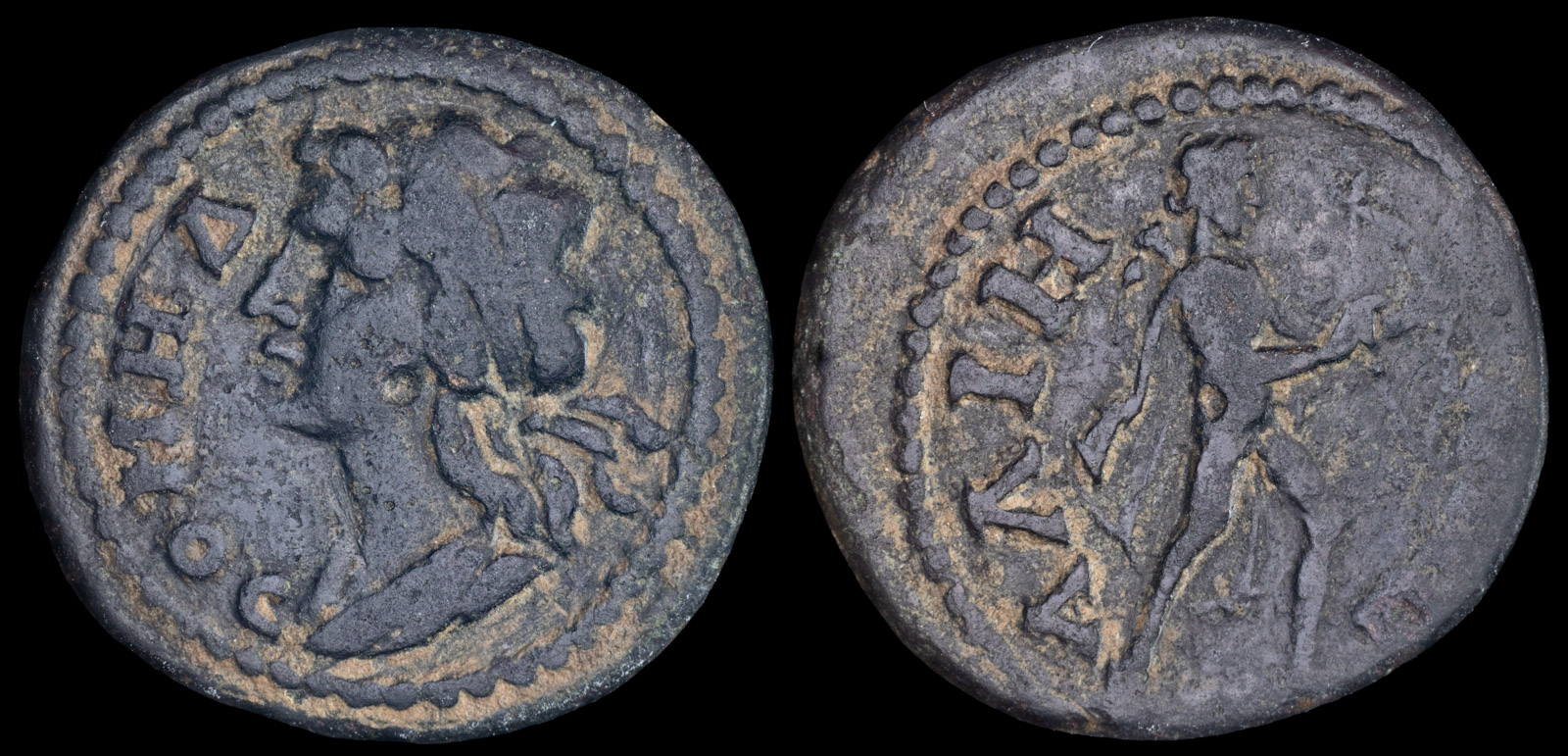
Phrygia, Alia
Time of Gordian III, 238-244 CE
AE 4.86g 21mm
Laureate and draped bust of Demos left /
Apollo standing right, about to shoot arrow
RPC VII.1, 698; BMC 5; SNG Copenhagen 109
ex W.B. and R.E. Montgomery Collection
Filter coins
Alia, Phrygia 238-244 CE
Attuda, Caria 193-222 CE
Daldis, Lycia ca 3rd century CE
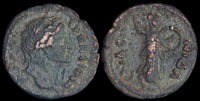
Harpasa, Caria 138-161 CE
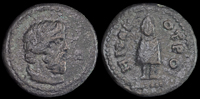
Otros, Phrygia 198-217 CE