Kantharos
View All Tags
In terms of function, the kantharos was primarily a wine-drinking vessel, used during symposia—formal drinking parties where participants engaged in intellectual discussions, performances, and games. Its deep bowl allowed for generous servings of wine, which was typically mixed with water in a krater before being poured into individual cups like the kantharos. The elevated handles not only facilitated easy handling but also contributed to the vessel’s aesthetic appeal, giving it an air of sophistication suited to the refined atmosphere of the symposium.
The symbolic connection between the kantharos and Dionysos is evident in both art and literature. Dionysos is frequently depicted holding or drinking from a kantharos in vase paintings and sculptures, underscoring his association with wine and revelry. The shape of the vessel, with its open, welcoming design, is thought to reflect themes of abundance, celebration, and the shared joy of communal drinking. In religious contexts, the kantharos may have been used in libations—ritual offerings of wine to the gods—further solidifying its sacred connotations.
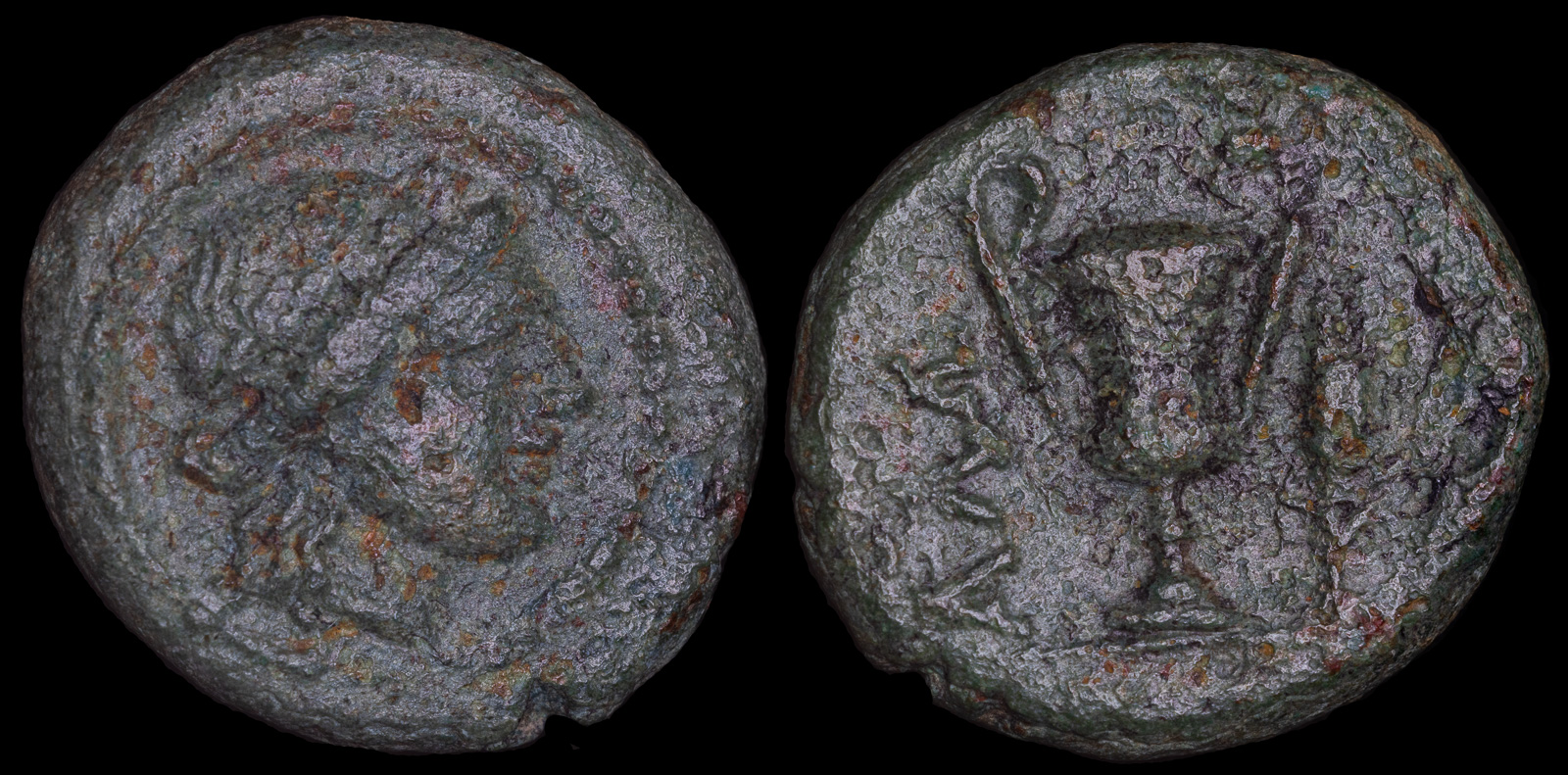
Thrace. Alopekonnesos
circa 325-275 BCE
Æ 15 mm, 3,70 g
Laureate head of Apollo to right /
Kantharos; ΑΛΩ-[ΠΕΚΟΝ] around.
Cf. Yarkin 59; HGC 3.2, 1307
Filter coins
Alopekonnesos, Thrace 325-275 BCE
Alopokonnesos, Thrace 400-300 BCE
Alyzeia, Akarnania 420-380 BCE
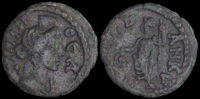
Ancyra, Phrygia 1st century CE
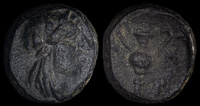
Andros, Cyclades 3rd-2nd century BCE
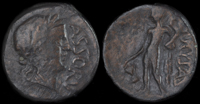
Assoros, Sicily Late 1st Century BCE
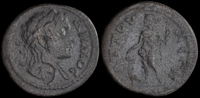
Attuda, Caria 193-222 CE
Codrula, Pisidia
Dionysos Comarmond 193-211 CE
Kadoi, Phrygia 1st century BCE
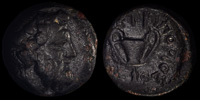
Ketriporis 356-352/1 BCE
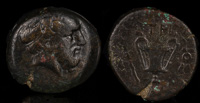
Ketriporis, Thrace 356-351 BCE
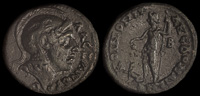
Koinon of Macedon 238-244 CE
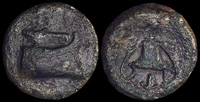
Korkyra 300-229 BCE
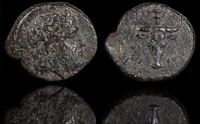
Lamponeia, Troas 4th cent BCE
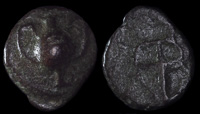
Larissa Phrikonis, Troas 300 BCE
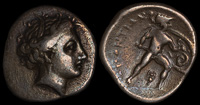
Lokris Opuntti 369-338 BCE
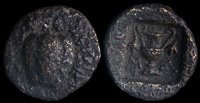
Melos, Cyclades 3rd-1st century BCE
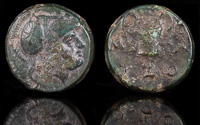
Methymna, Lesbos 350-240 BCE
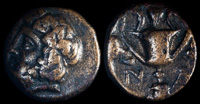
Naxos, Cyclades 4th century BCE
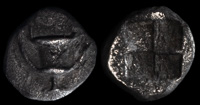
Naxos, Cyclades 520-470 BCE
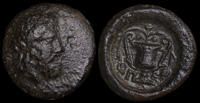
Peparethos, Thessaly 4th-3rd cent BCE
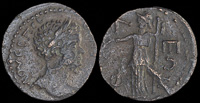
Phigalia, Arkadia 193-211 CE
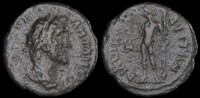
Phiippopolis, Thrace 138-161 CE
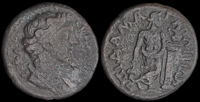
Sala, Lydia 138-161 CE
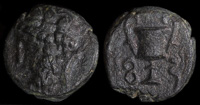
Sardis, Lydia 350-300 BCE
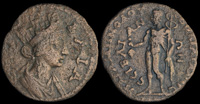
Siblia, Phrygia 193-211 CE
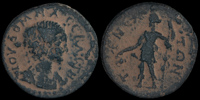
Tenea, Corinthia 193-217 CE
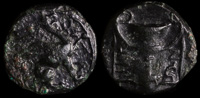
Teos 350-300 BCE
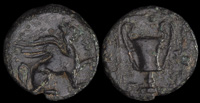
Teos, Ionia 370-340 BCE
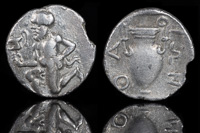
Thasos, Thrace 404-340 BCE