Olive Tree
View All Tags
The olive tree became a symbol of peace, prosperity, and civic pride. Its association with Athena meant that it also stood for wisdom and strategic thought. Sacred groves of olive trees, such as those around the Acropolis, were protected by law, and harming them was seen as an offense against the gods. These trees were believed to be descended from the original one planted by Athena herself, further elevating their religious importance.
In Greek society, olive oil was a fundamental product—it was used in cooking, lighting, anointing the body, and even as a prize in athletic contests, particularly the Panathenaic Games held in Athens. Victors received amphorae filled with sacred olive oil, symbolizing not only physical excellence but also divine favor. The olive wreath, or kotinos, made from branches of the wild olive tree, was the only prize given to winners of the Olympic Games, embodying honor, virtue, and the blessings of the gods.
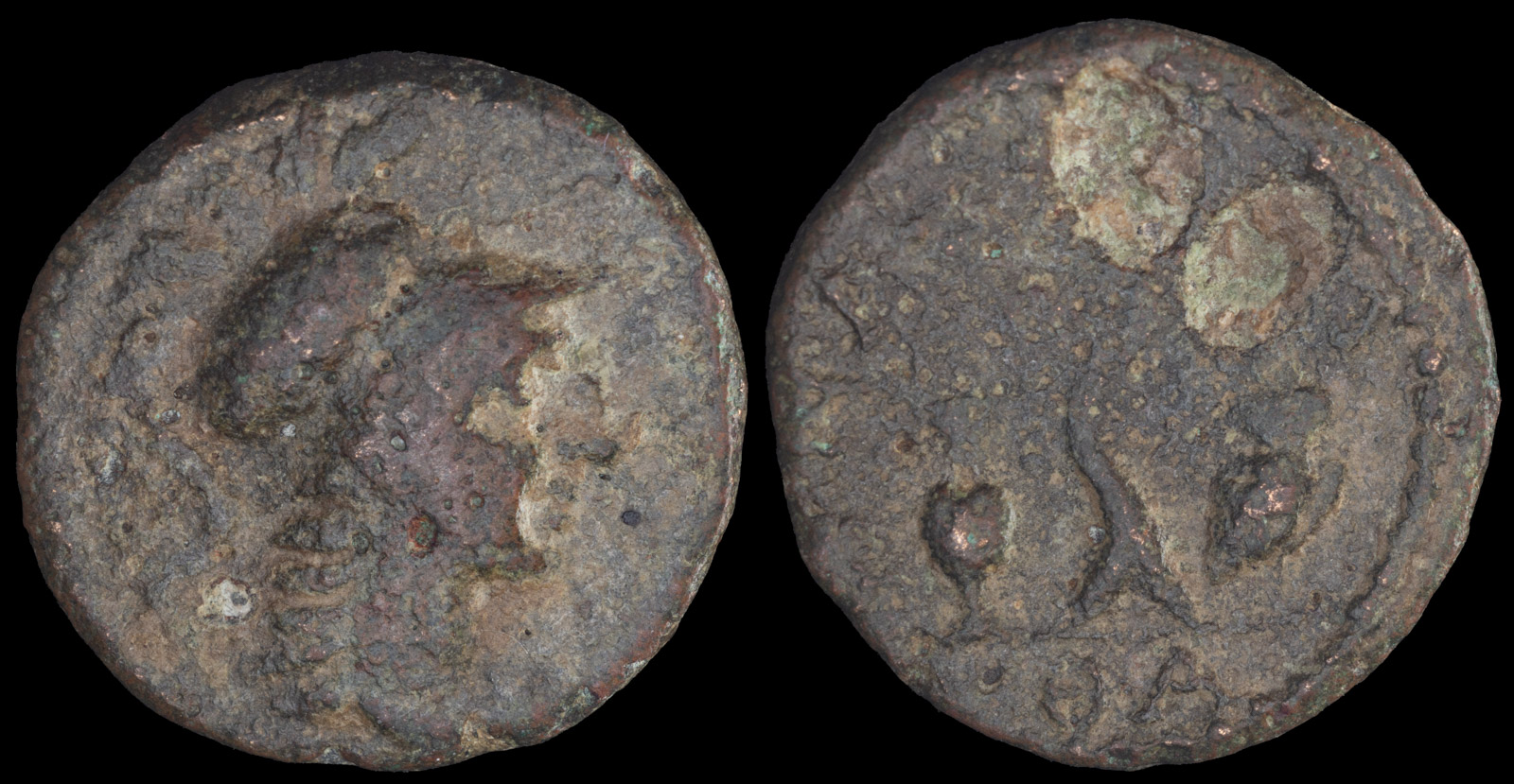
Attica, Athens
ca 264-7 CE
5.23g 20.43mm
helmeted head of Athena right
owl and amphora under olive tree, ethnic around, starting retrograde in exergue
Kroll – (cf. 382, different arrangement of ethnic) Period VI, Svoronos pl. 90, 26
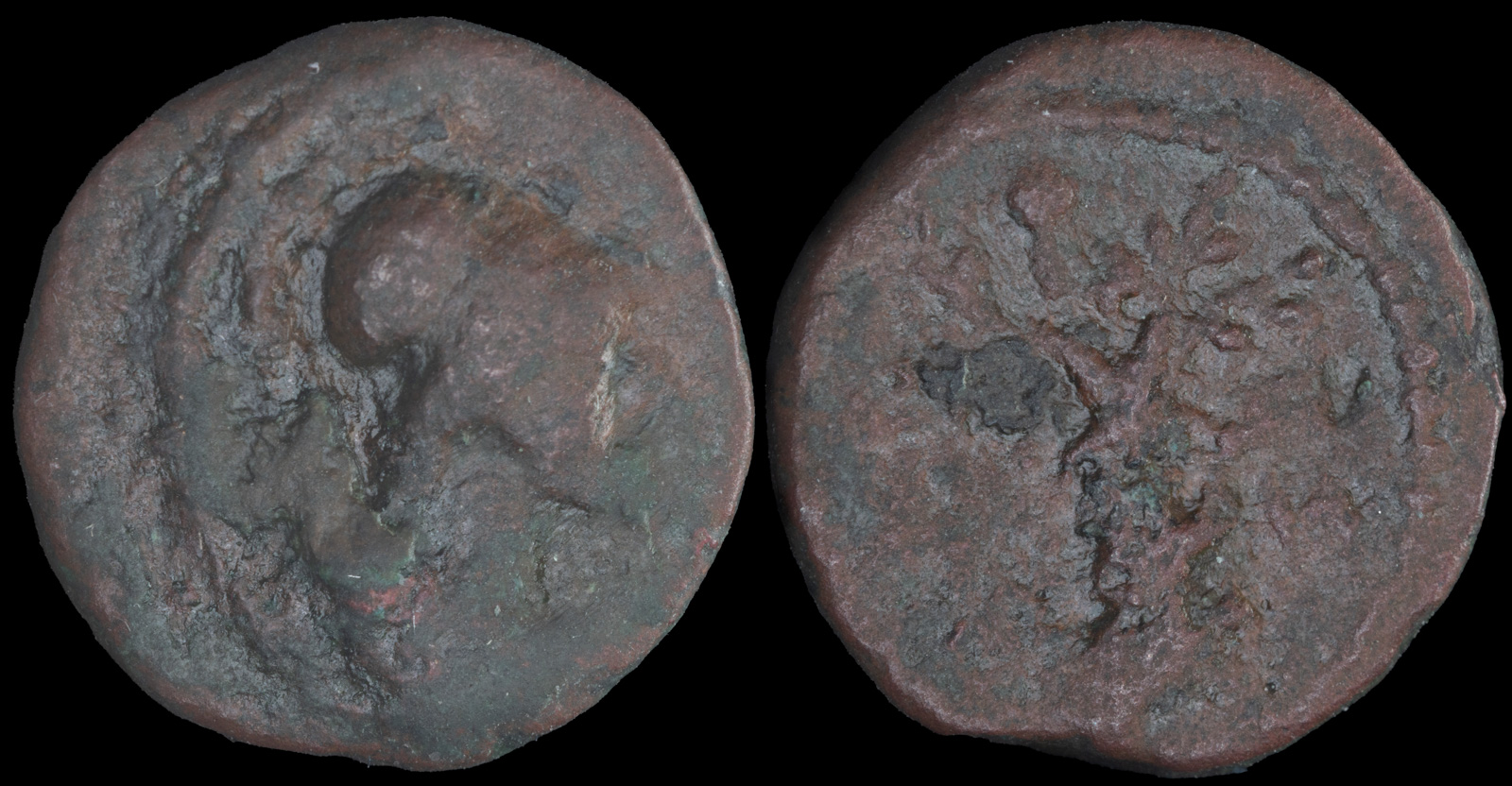
Attica. Athens
Circa 2nd-3rd centuries CE
12.68mm 1.73g
Obverse: Helmeted head of Athena right
Reverse: Olive tree, owl perched right in branches, serpent entwined around trunk
Svoronos pl. 89, 24; Lindgren and Kovacs 1560; Kroll 223 Period VB/C