Pyramid
View All Tags
In contrast, the Romans did construct a few pyramidal structures, though these were rare and often served specific commemorative or funerary purposes. The most notable example is the Pyramid of Cestius in Rome, built around 18–12 BCE as a tomb for the Roman magistrate Gaius Cestius. This monument reflects a period of Egyptian cultural influence following the Roman conquest of Egypt in 30 BCE. The pyramid, although Roman in construction techniques, directly imitates the shape and style of Egyptian pyramids, showing how Roman elites adopted exotic architectural forms to express wealth, sophistication, or a connection to ancient prestige.
Pyramids in Greek and Roman times did not serve the same religious or royal functions they did in Egypt. Instead, they were more symbolic, used occasionally to evoke a sense of timelessness, foreign mystique, or connection to ancient power. They stood as solitary monuments rather than parts of broader architectural traditions. In both cultures, the pyramid’s visual power endured, but its use was sporadic and adapted to local customs rather than continuing as a dominant architectural form.
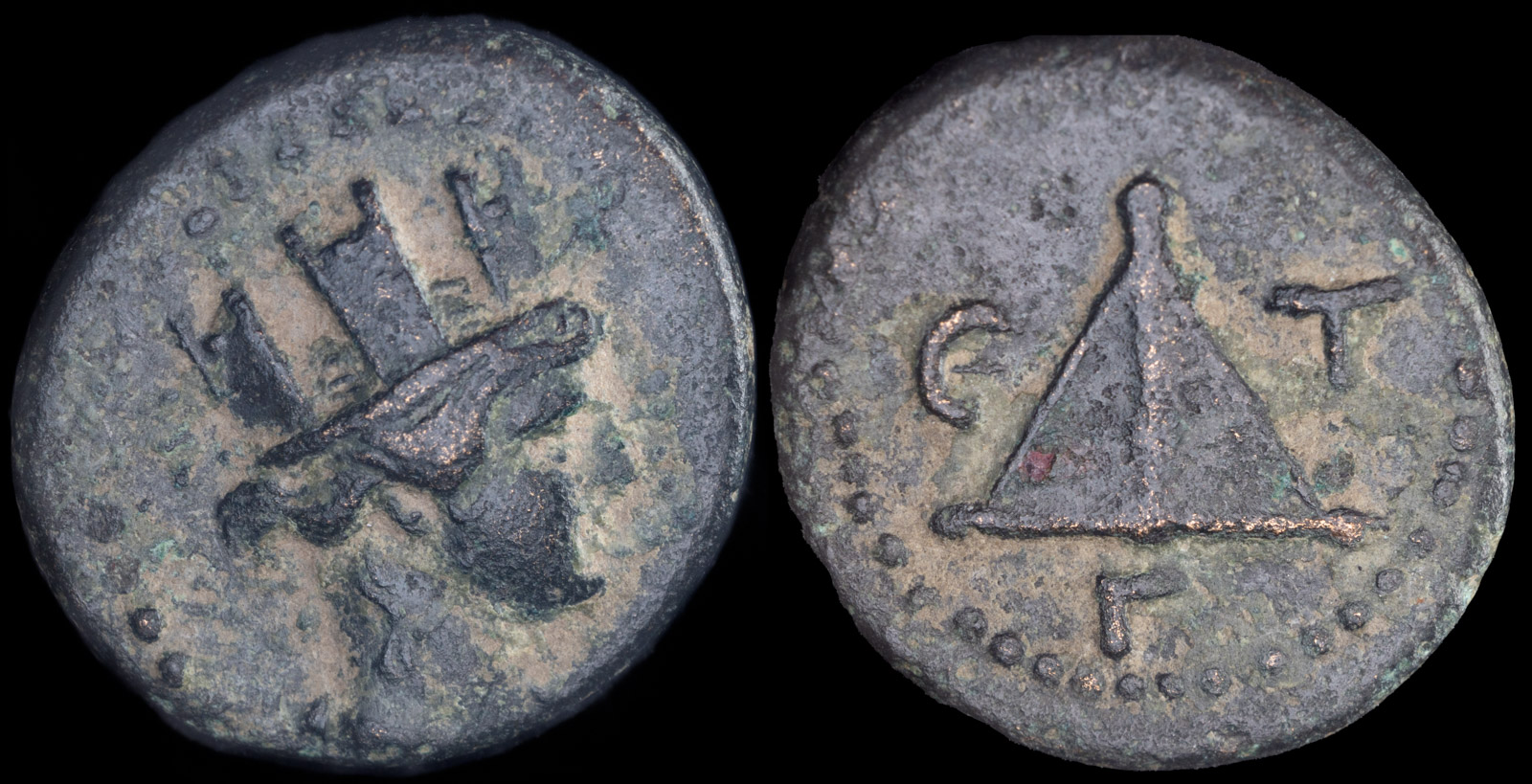
Cappadocia, Caesarea-Eusebia
Time of Trajan. Dated CY 3 (100/1 CE)
Ae 17mm 3.08g
Obv: Turreted and draped bust of Tyche right
Rev: Pyramid. ET Γ flanking.
SNG Cop 173. 98-117
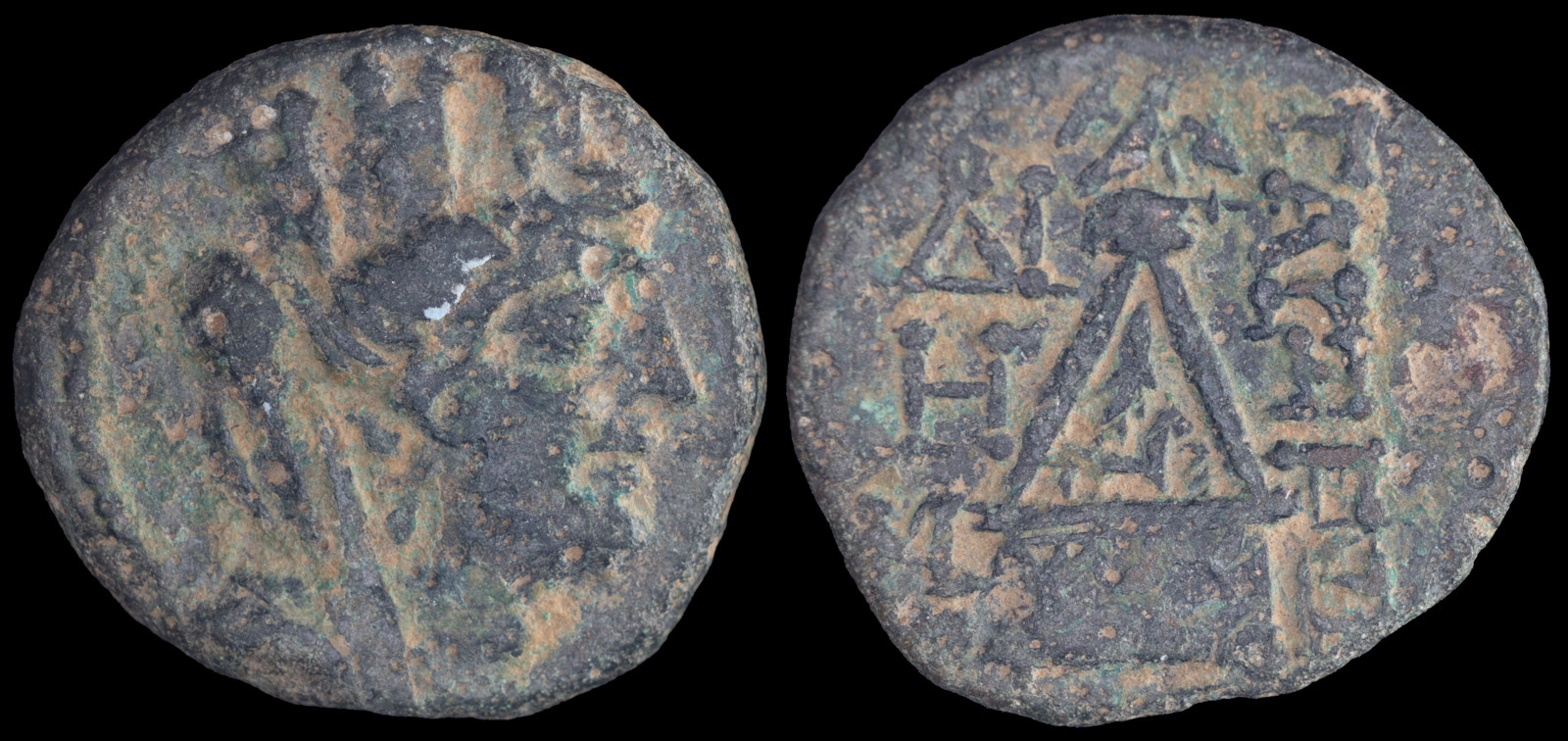
Cilicia, Tarsos
Ca 150 BCE
Ae 19mm 6.32g
Obv: Turreted head of Tyche
Rev: Pyre of Sandan in the form of a pyramid, Sandon standing on a lion, all on decorated base. Eagle atop pyramid.
SG #5672