Hemiobol
View All Tags
The hemiobol was a fractional coin used in ancient Greece, worth half of an obol, one of the smaller denominations in the Greek monetary system. The term “hemiobol” comes from the Greek words “hemi-” meaning “half” and “obol”, which referred to a smaller coin that was used in everyday transactions. The hemiobol, therefore, represented a value that was even more modest than the obol, making it a convenient unit for the purchase of inexpensive items.
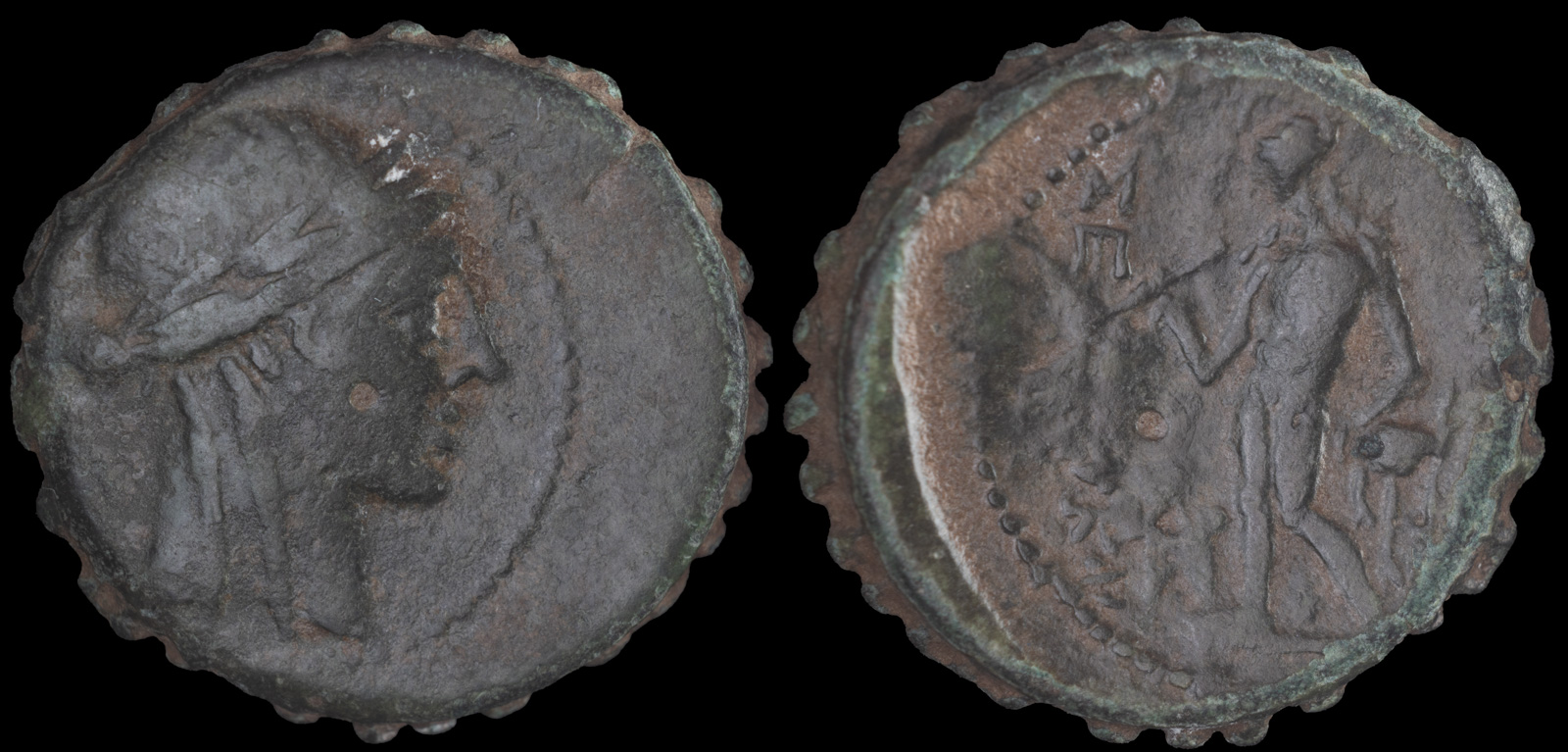
Aitolia, Aitolian League
ca 205-150 BCE
Ae Hemiobol 18.7mm, 3.2g
Obv. Athena wearing Corinthian helmet right
Rev. AITΩ-ΛΩN; Herakles, naked, standing left head right, holding lion-skin and club; monogram at upper left, M in field
BCD 577 var

Aetolian League 205-150 BCE
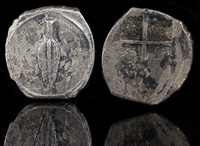
Alexander I 420 BCE
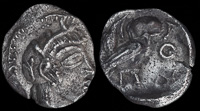
Athens 454-404 BCE
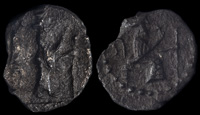
Bedyehibel 375-333 BCE
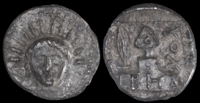
Emesa(?), Syria 460-430 BCE
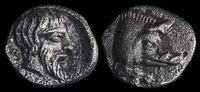
Euromos, Caria 400-350 BCE
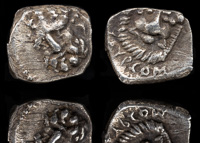
Isaura Palaia 335-325 BCE
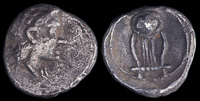
Kythnos, Cyclades 4th century BCE

Lakedaimon (Sparta) 226-223 BCE
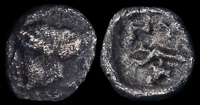
Nymphaion, Cimmerian Bosporos 400 BCE
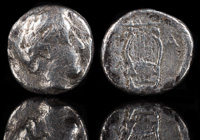
Pagasai, Thessaly 4th cent BCE
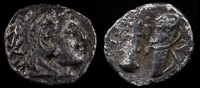
Peithon son of Agenor 317-311 BCE
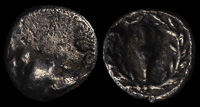
Zakynthos 400-350 BCE