Prow
View All Tags
In ancient Greece, the design of the ship’s prow was an integral part of its naval identity. Warships, especially the famous triremes, had their prows outfitted with a prominent bronze ram, a sharp, reinforced projection at the bow. This was a weapon designed to puncture and damage enemy ships during naval battles. The shape and effectiveness of the ram were critical in ensuring that the ship could engage in close combat and disrupt the opposing fleet. Such ships were central to the naval prowess of ancient Athens, and the ram became emblematic of the city’s maritime strength.
For Greek and Roman merchant ships, the prow’s role was more functional, designed for efficient travel rather than combat. However, even these vessels sometimes featured ornate carvings or inscriptions on their prows, reflecting the importance of the ship to its owners and passengers. For example, a merchant ship might have the name of its owner or the vessel’s origin inscribed, and the prow could be adorned with protective symbols or the image of a sea god like Poseidon or Neptune. In some cases, the decorations on the prow would highlight the ship’s status, with larger, more elaborate prows seen on ships of greater wealth or importance.
The symbolism of the prow extended into the mythological and religious realms. Many ships in Greek and Roman antiquity were believed to be blessed by gods, and the prow served as a visible point of connection between the human and divine realms.
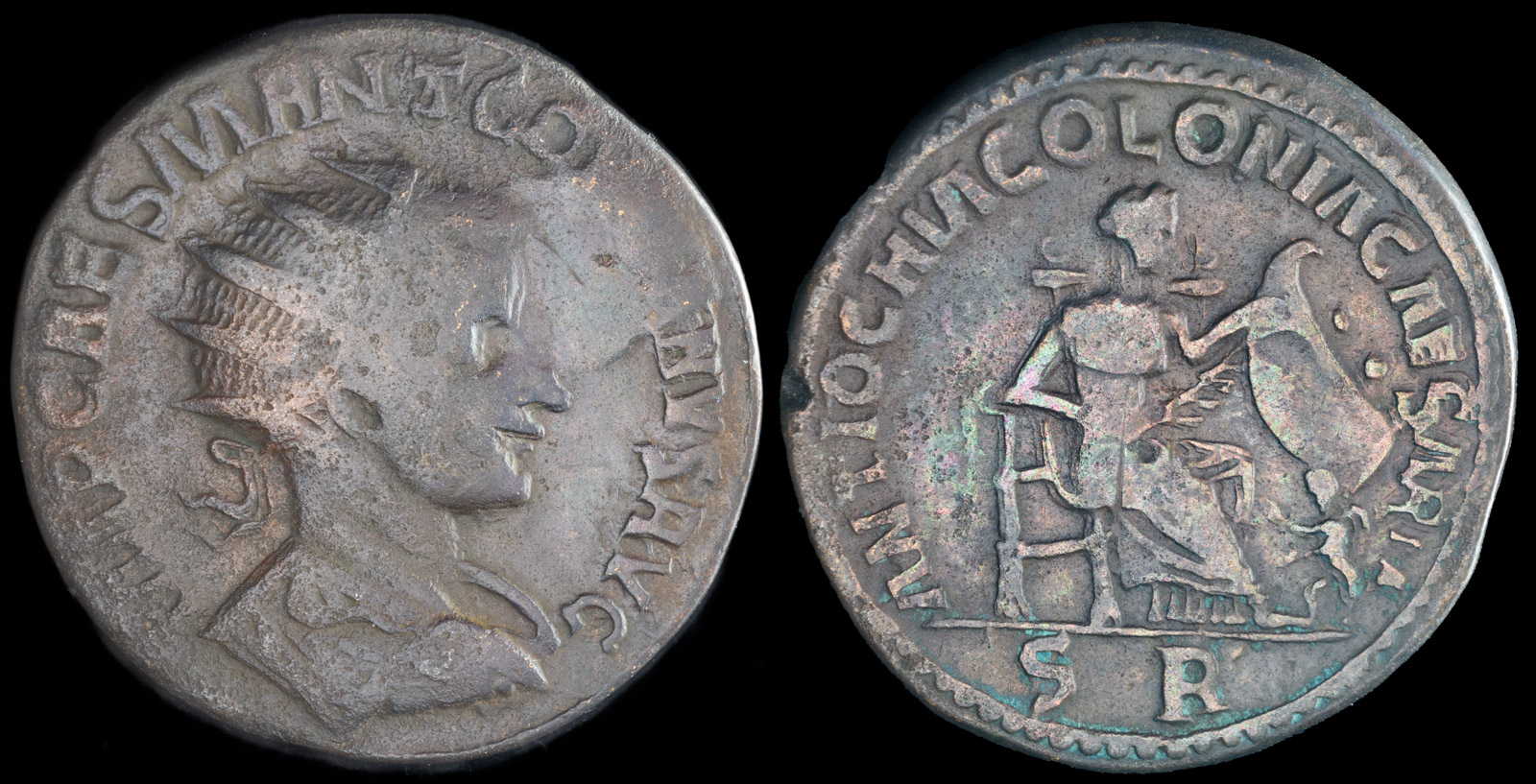
Pisidia. Antioch
Gordian III. 238-244 CE
AE 33mm 26.66g
Obv.: IMP CAES M ANT GORDIANVS AVG, radiate, draped and cuirassed bust right
Rev.: ANTIOCHIA COLONIA CAESARIA around, S R below, Aphrodite seated right, left hand on prow, holding palm branch in right, Eros running left at foot.
BMC 78; SNG Righetti 1346; SNG von Aulock 8577; SNG Copenhagen 72; Krzyzanovska 1.2; McClean 8959; Lindgren III 683
Antioch, Pisida 238-244 CE
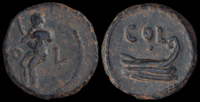
Berytus, Phoenicia 1st century CE
Claudius Gauthicus 268-270 CE
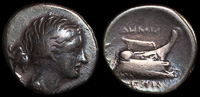
Demetrias, Thessaly 290 BCE

Demetrios I Poliorketes 290-283 BCE
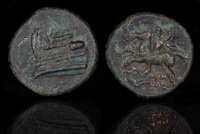
Demetrios Poliorketes 300 BCE

Demetrios Poliorketes 306-283 BCE
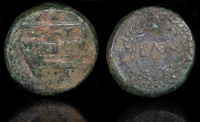
Elaios, Thrace 4th-3rd cent BCE
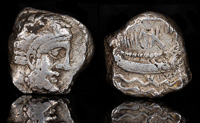
Gerostratos of Arados 335/334 BCE
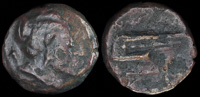
Iolkos, Thessaly mid 4th cent BCE
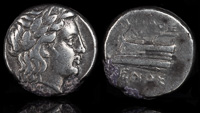
Kios, Bithynia 345-315 BCE
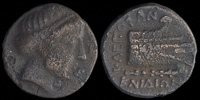
Knidos, Caria 300-200 BCE

Knidos, Caria ca 250-210 BCE
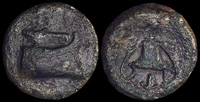
Korkyra 300-229 BCE
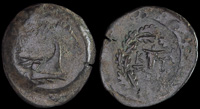
Kyzikos 300-200 BCE
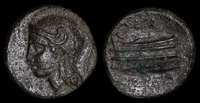
Lebedo-Ptolemais, Ionia 375-350 BCE
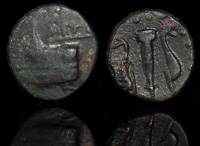
Megara 3rd-2nd cent BCE
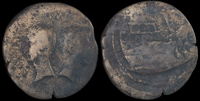
Octavian with Divus Julius Caesar ca 36 BCE
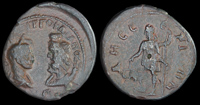
Odessos, Moesia 238-244 CE
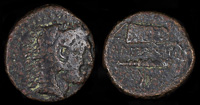
Pasikrates of Soloi 330-310 BCE
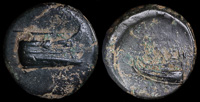
Phaselis, Lycia 250-221 BCE
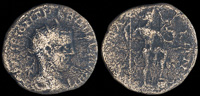
Prusa ad Olympum, Bithynia 251-253 CE
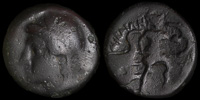
Thebai, Thessaly 302-286 BCE
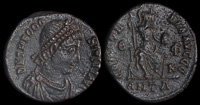
Thedosius I 379-383 CE

Thessalonika, Macedon 2nd-1st centuries BCE