Grapes
View All Tags
The ancient Greeks recognized the ideal climate for grape growing, particularly in regions with hot summers, mild winters, and plenty of sunlight. Greece’s varied landscape, with its combination of mountains, valleys, and islands, provided a range of microclimates that were well-suited to growing grapes. By the Archaic and Classical periods (circa 8th to 4th centuries BCE), grapevines were cultivated extensively across the Greek mainland and islands. The cultivation of grapes spread throughout regions such as Attica, Peloponnesus, and Crete, as well as in the colonies established by Greek settlers in places like Southern Italy (known as Magna Graecia) and Asia Minor.
The most important product of grape cultivation in ancient Greece was wine, which was consumed daily by both the rich and the poor. Wine was diluted with water and served at meals, and it was a key part of social gatherings, such as the symposium—a drinking party where men would come together to drink, converse, and engage in intellectual discussion. Wine also had religious significance, as it was used in sacrificial rites to honor gods, particularly Dionysus, the god of wine, fertility, and revelry. The Greeks believed that wine represented the divine gift of Dionysus, and its consumption was often linked to the spiritual connection between mortals and the gods.
Beyond wine production, grapes and their by-products were used for other purposes, such as the creation of raisins, which were consumed as a snack or used in baking. The Greeks also developed a wide range of grape varieties, including those used for making sweet wines and those suitable for more robust, dry wines. The sweet wine of Thasos and the red wine of Chios were particularly prized, with specific regions becoming renowned for their high-quality vintages.
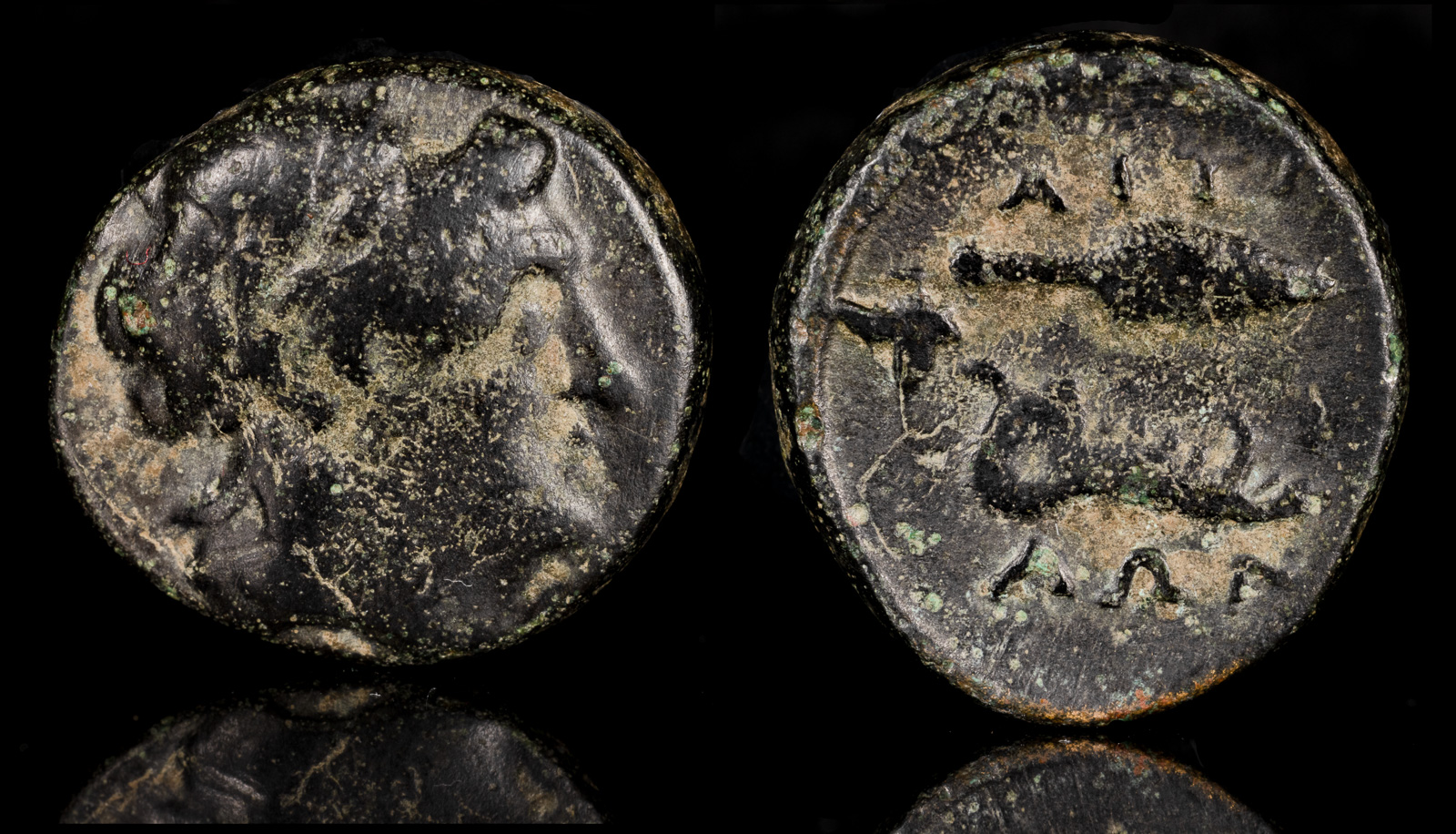
290-220 BCE
Ae 19mm 6.4g
Obv. Laureate head of Apollo right
Reverse: Spearhead above jawbone of Calydonian boar, grape bunch to left
Ex Bargain Bin Ancients
Filter coins
Aetolian League 290-220 BCE
Aioleion, Troas 330-280 BCE
Alexandria Eschate 285-280 BCE
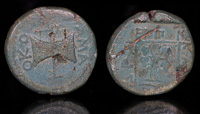
Amatokos II, Thrace 359-351 BCE
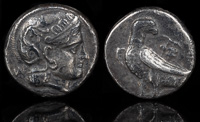
Andragoras 246-238 BCE
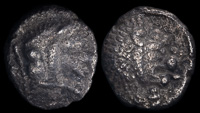
Baktria 4th century BCE
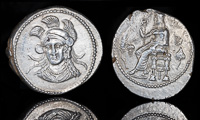
Balakros 333-323 BCE
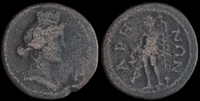
Baris, Pisidia 2nd-3rd centuries CE
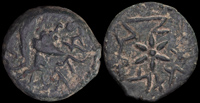
Bocchos I or II, Mauretania 118-80 or 49-33 BCE
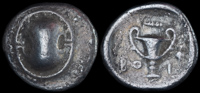
Boeotia Federal Coinage 395-340 BCE
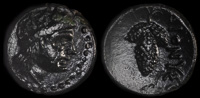
Dionysopolis, Moesia 4th century BCE
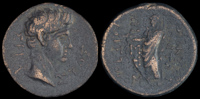
Dionysopolis, Phrygia 14-37 CE
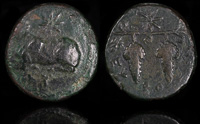
Euboian League 304-290 BCE
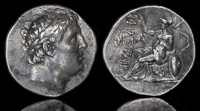
Eumenes I 255-241 BCE
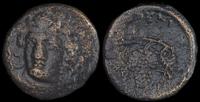
Eureia, Thessaly 352-344 BCE
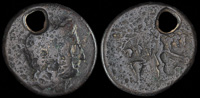
Eurymenai, Thessaly 352-344 BCE
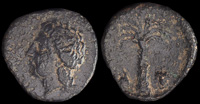
Halieis, Argolis 340-330 BCE
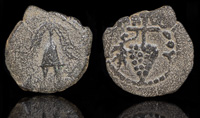
Herod II Archelaos 4 BCE – 6 CE
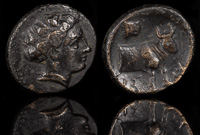
Histaia, Euboia 338-304 BCE
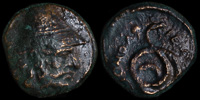
Homolion, Thessaly 350 BCE
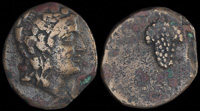
Ikaria, Ionia 4th century BCE
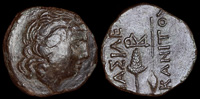
Kanites 100 BCE
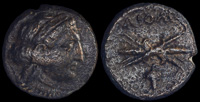
Koinon of Aeolis 4th century BCE
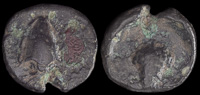
Koressos, Keos, Cyclades 4th century BCE
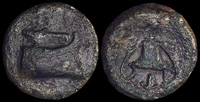
Korkyra 300-229 BCE
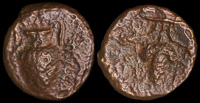
Korkyra, Epeiros 4th cent BCE
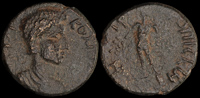
Koropissos, Kilicia 177-192 CE
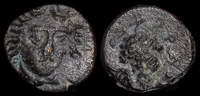
Kranaos, Caria 300-280 BCE
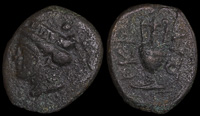
Kromna, Paphlagonia 330-300 BCE
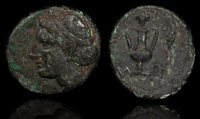
Larissa-Ptolemais 400-300 BCE
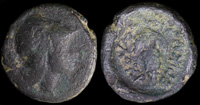
Lokris Epiknemidia 338-300 BCE
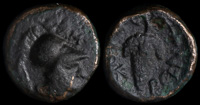
Lokris Opuntii 325-300 BCE
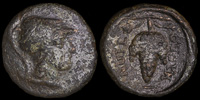
Lokris Opuntii 351-338 BCE
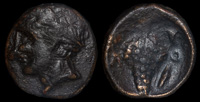
Lokris Opuntii 4th-3rd cent BCE
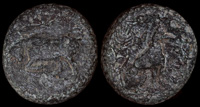
Madytos, Thrace 350 BCE
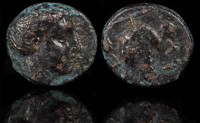
Meliboia, Thessaly 400-350 BCE
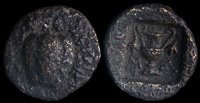
Melos, Cyclades 3rd-1st century BCE
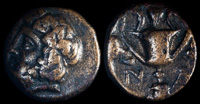
Naxos, Cyclades 4th century BCE
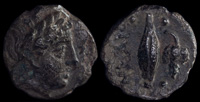
Neandria, Troas 400-300 BCE
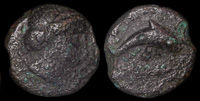
Nisyros, Islands off Caria 4th-3rd cent BCE
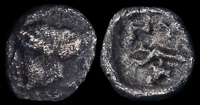
Nymphaion, Cimmerian Bosporos 400 BCE
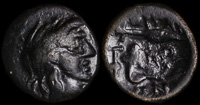
Oetaei, Thessaly 279-168 BCE
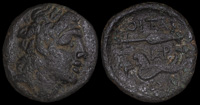
Oitaio, Thessaly 279-191 BCE
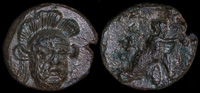
Ophrynion, Troas 350-300 BCE
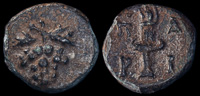
Parion, Mysia 300-200 BCE
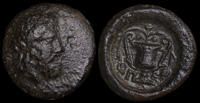
Peparethos, Thessaly 4th-3rd cent BCE
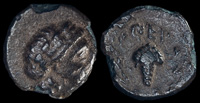
Perperene, Mysia 350 BCE
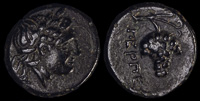
Perperene, Mysia 4th century BCE
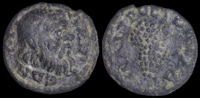
Silandos, Lydia 193-217 CE
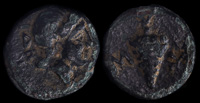
Skamandreia, Troas 350-300 BCE
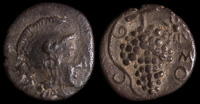
Soloi, Cilicia 400-350 BCE
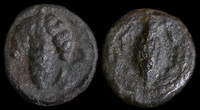
Syangela, Caria 300-275 BCE
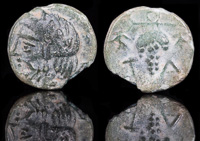
Temnos, Aeolis 3rd century BCE
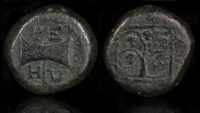
Teres II, Thrace 350-341 BCE