Herakles
View All Tags
One of Hera’s first attempts to harm the newborn Herakles was through sending two deadly serpents to his cradle. Even as a baby, Herakles displayed his legendary strength by strangling the serpents with his bare hands. This early display of his extraordinary abilities set the tone for the rest of his life, as Herakles would face numerous trials and challenges that tested his strength, wit, and character.
Herakles’ life was marred by tragedy, particularly due to the jealousy of Hera. When he grew to adulthood, Hera caused him to fall into a madness that led him to kill his wife, Megara, and their children. In order to atone for this terrible crime, the oracle of Delphi instructed Herakles to serve King Eurystheus of Tiryns and complete a series of Twelve Labors, each more difficult and dangerous than the last. The labors, set by Eurystheus and fueled by Hera’s animosity, were designed to break Herakles’ spirit, but instead, he became a symbol of resilience. Over the course of these trials, Herakles accomplished impossible feats, such as slaying the Nemean Lion, capturing the Ceryneian Hind, and retrieving the Apples of the Hesperides. Each labor, though seemingly insurmountable, demonstrated Herakles’ unyielding courage and strength.
Herakles’ story is also deeply intertwined with his relationships with both gods and mortals. Though often aided by divine beings like Athena and Hermes, Herakles’ journey was one of personal sacrifice and hardship. His adventures took him to distant lands, facing monsters, mythological beings, and even venturing into the Underworld to capture the three-headed dog Cerberus. Through these trials, Herakles’ status as a hero was cemented, and his story became a foundation for later hero myths in Western culture.
The tragic elements of his life continued to play a role even after completing the Twelve Labors. Ultimately, Herakles met his death when he was poisoned by a shirt given to him by Deianeira, his wife, who believed it would make him faithful. The poison caused immense pain, and Herakles chose to end his life by self-immolation on a funeral pyre. After his death, he was granted immortality and ascended to Mount Olympus, where he was reconciled with the gods, particularly Hera, and became one of the immortals.
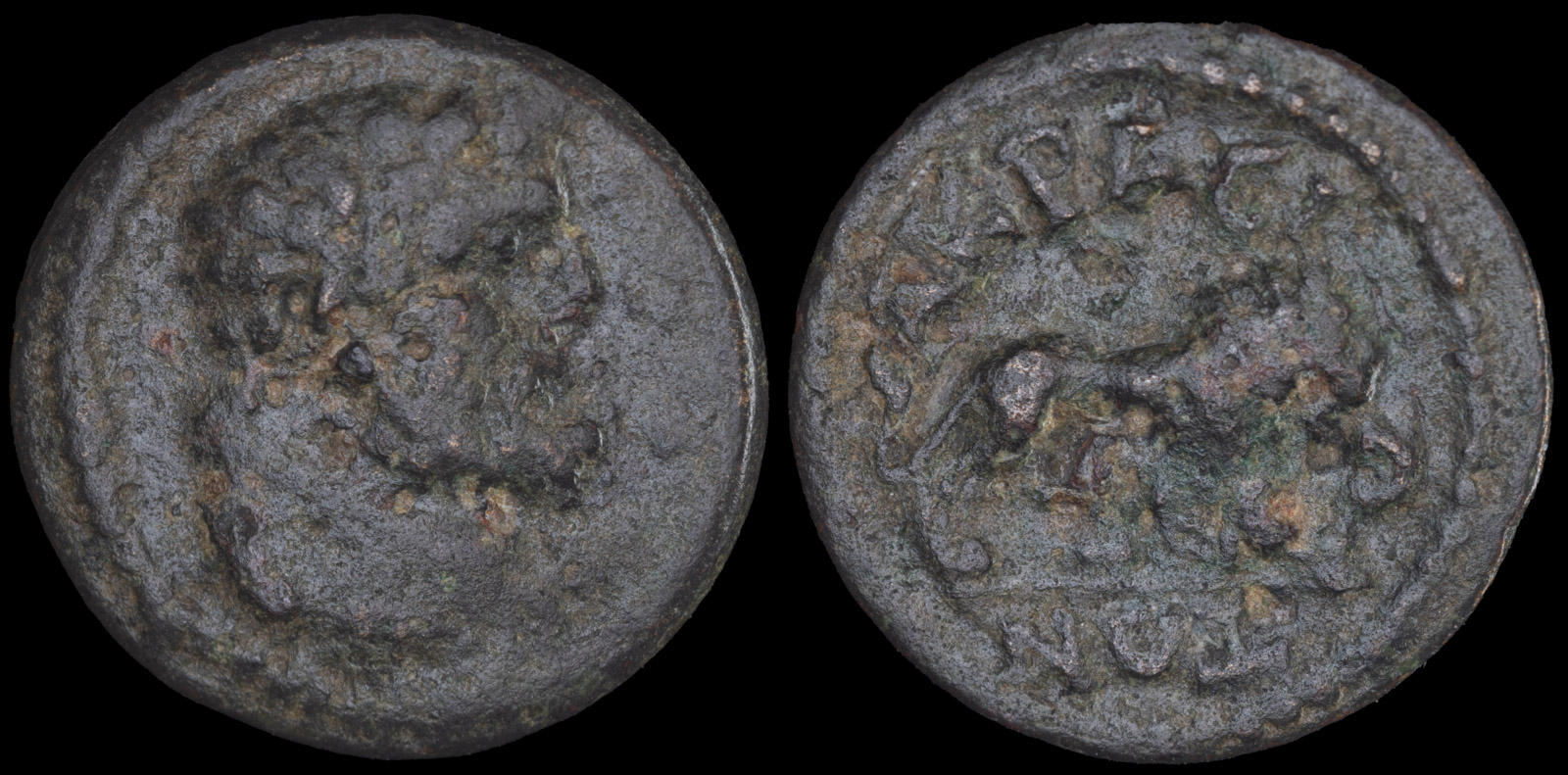
Lydia, Acrasus
Pseudo-Autonomous
Circa 200 CE
1.50g, 14mm
Head of Herakles right.
Lion advancing right. “AKPACI-TΩN”
SNG Cop 3
Acrasus, Lydia ca 200 CE

Aetolian League 205-150 BCE
Alexander III 325-323 BCE
Alexander III 336-323 BCE
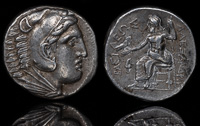
Alexander IV/Antipater 323-317 BCE
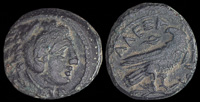
Alexander the Great 330-323 BCE
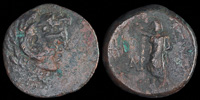
Alexandria ad Issum 2nd-1st century BCE
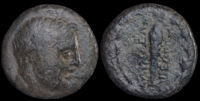
Alinda, Caria 150-100 BCE
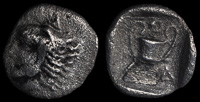
Alyzeia, Akarnania 420-380 BCE
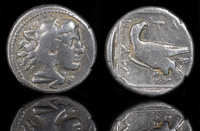
Amyntas III 393-369 BCE
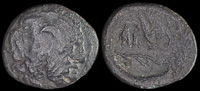
Anaia, Karia 300-200 BCE
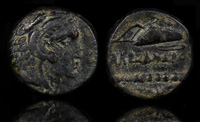
Androkles of Amathos 325-323 BCE
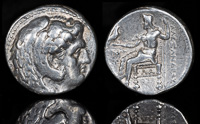
Antigenes 322-320 BCE
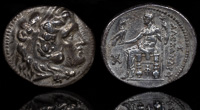
Antigonos Monophthalmos 305-300 BCE
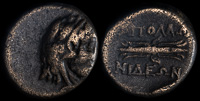
Apollonis, Lydia 200-100 BCE
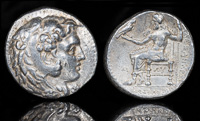
Archon or Dokimos 323-317 BCE
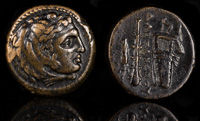
Asandros 323-319 BCE
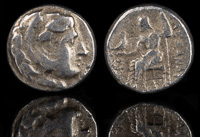
Aspesias 316-311 BCE
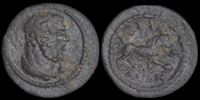
Attaleia, Lydia 2nd-3rd centuries CE
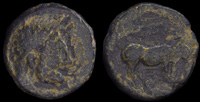
Caesarea Maritima, ca 2nd century CE
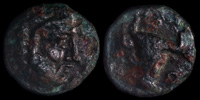
Dikaia, Macedon 400-350 BCE
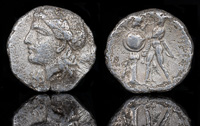
Dyonysios Herakleia Pontika 337-305 BCE
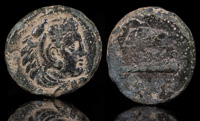
Erythrai, Ionia 4th century BCE

Erythrai, Ionia ca 300-200 BCE

Erythrai, Ionia ca 3rd century BCE

Erythrai, Ionia ca 400 BCE
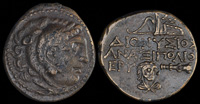
Erythrai, Ionioa 275-220 BCE
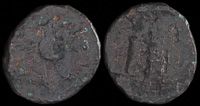
Euhesperides, Kyrenaic. 322-313 BCE
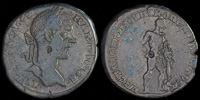
Farnese Herakles 217-218 CEThe Farnese Herakles is the most famous statue of Herakles.
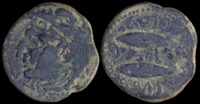
Gades, Iberia ca 2nd century BCE
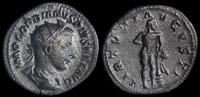
Gordian III 238-244 CE
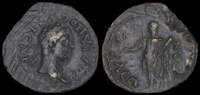
Heraclea, Caria 98-117 CE
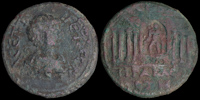
Heracleopolis (as Sebastopolis), Pontos
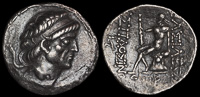
Hyspaosines 124/3 BCE
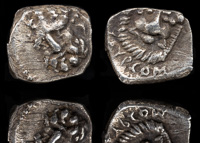
Isaura Palaia 335-325 BCE
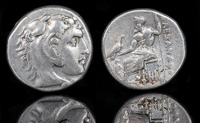
Kalas/Demarchos 325-323 BCE
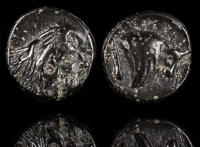
Karystos 350 BCE
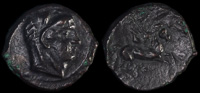
Kephaloidion, Sicily 339-307 BCE
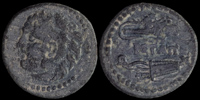
Keretapa, Phrygia 192-235 CE

Kleomenes III 235-222 BCE
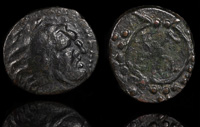
Kleonai, Argolis 320 BCE
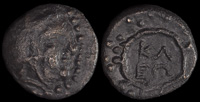
Kleonai, Argolis ca 320 BCE

Kleopatra of Macedon, Sardis 321 BCE
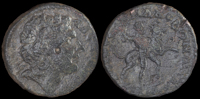
Koinon of Macedon 238-244 CE
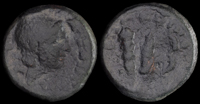
Koinon of Macedon 238-244 CE
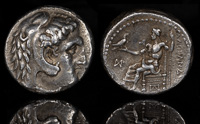
Koinos 324/323 BCE
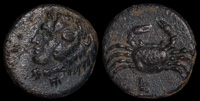
Kos, Islands off Caria 400-300 BCE
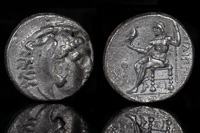
Laomedon 319/318 BCE
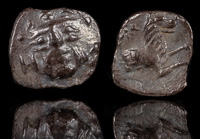
Laranda (Lykaonia) 324/323 BCE
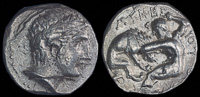
Lykkeios 359-335 BCE
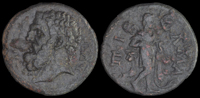
Maeonia Lydia Ae : Herakles / Omphale (JBG-600)
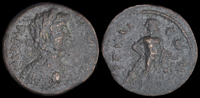
Megara, Megaris 198-217 CE
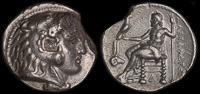
Memphis, Egypt 323/2 BCE
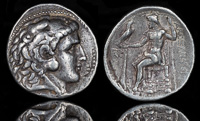
Menelaus 315-306 BCE
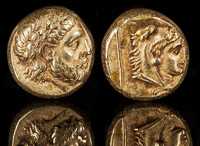
Mytilene, Lesbos 332 BCE
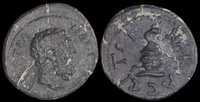
Nakrasa, Lydia 98-138 CE
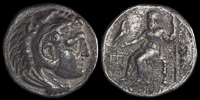
Nikokles of Paphos 325-317 BCE
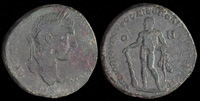
Nikopolis ad Istrum 218-222 CE
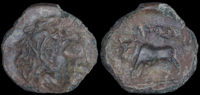
Odrysai, Thrace ca 3rd century BCE

Olbia, Skythia 230-220 BCE
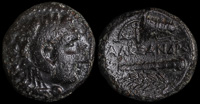
Pasikrates of Kourion, 325 BCE
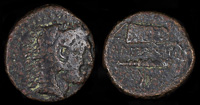
Pasikrates of Soloi 330-310 BCE
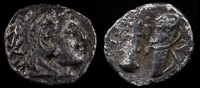
Peithon son of Agenor 317-311 BCE
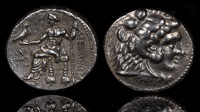
Perdikkas 321/320 BCE
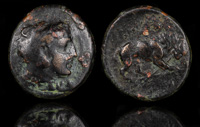
Perdikkas III 365-359 BCE

Petra, Arabia 218-222 CE
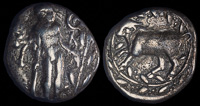
Phaistos, Crete 330-320 BCE
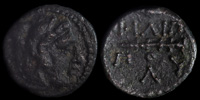
Philip II 359-336 BCE
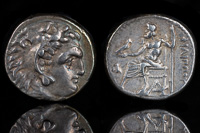
Philip III Arrhidaeos 331-321 BCE
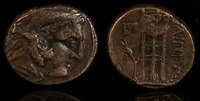
Philippi 356-345 BCE

Philippi, Macedon 356-345 BCE
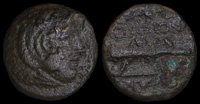
Philippi, Macedon 360-356 BCE
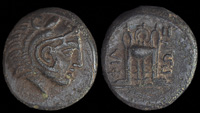
Philippi, Macedon ca 356-345 BCE
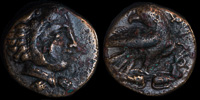
Philotas 400-380 BCE
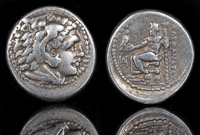
Philoxenos 325-323 BCE
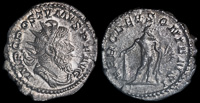
Postumus 260 CE
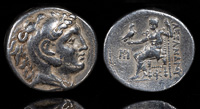
Ptolemy Keraunos 281-279 BCE
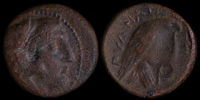
Pydna, Macedonia 381-369 BCE
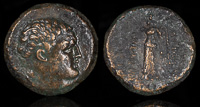
Pylaimenes 130 BCE
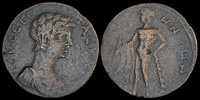
Sikyon 198-209 CE
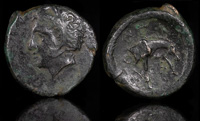
Skotussa, Thessaly 4th cent BCE
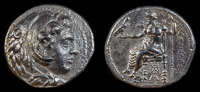
Stamenes/Archon 324/323 BCE
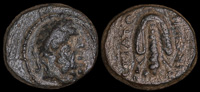
Stratonikeia, Caria 3rd century BCE
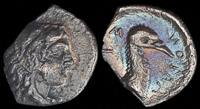
Stymphalos, Arkadia 350-345 BCE

Thebes, Boeotia 363-348 BCE

Thebes, Boeotia 395-338 BCE
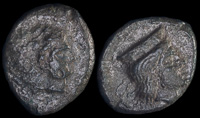
Thermai Himeraiai, Sicily 367-330 BCE

Thessalonika, Macedon 183-31 BCE
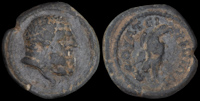
Thyateira, Lydia 193-235 CE
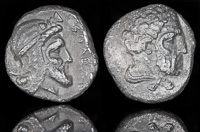
Tiribazos 385-380 BCE
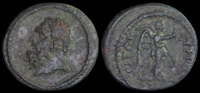
Tripolis, Lydia ca 2nd century CE