Chiton
View All Tags
The chiton was worn by both men and women, though its design differed slightly between the sexes. Men typically wore a short chiton that ended around the knee, often paired with a belt or sash to gather the fabric at the waist. Women’s chitons were usually longer, reaching the ankles, and were often worn with additional accessories, such as a himation (a cloak) or a stola in the case of Roman women. The length and decoration of the chiton also varied depending on the wearer’s social rank and the context in which it was worn. Wealthier individuals might have adorned their chitons with intricate patterns or borders, while others kept the garment simple.
The process of wearing and styling a chiton was highly versatile. It could be worn in different ways, depending on the occasion. For example, it might be draped loosely for casual wear, or more tightly and formally with the use of pins or belts to create a structured appearance for public events or rituals. In some instances, the fabric of the chiton was gathered and folded in various ways to create pleats or draped effects, which were considered fashionable and graceful. The chiton could also be adjusted by adding or removing layers of cloth, providing flexibility for the changing needs of the wearer.
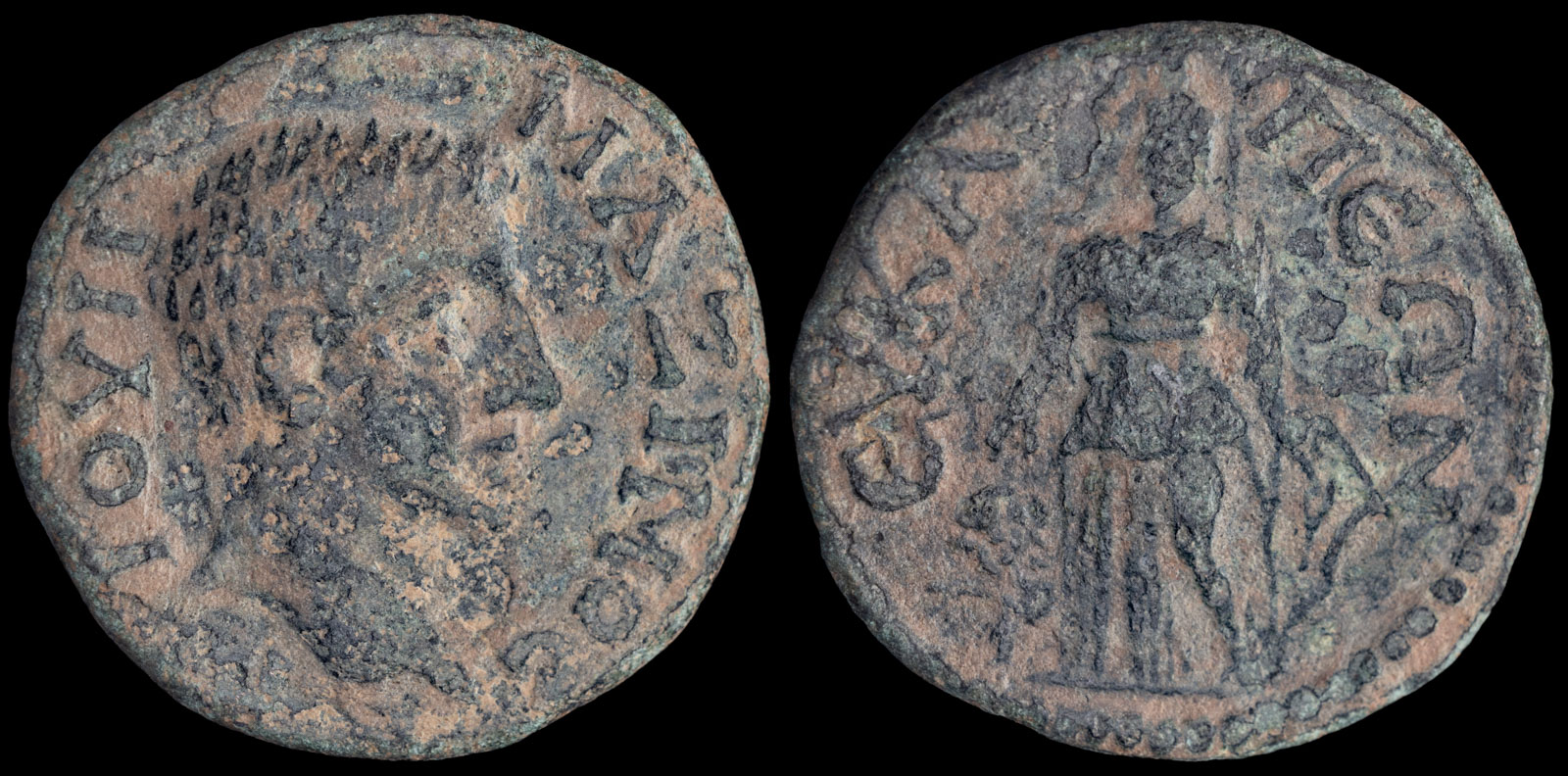
Phrygia, Eukarpeia
Maximus, as Caesar. 235/6–238 CE
AE 21.5mm 5.11g
Ob.: Κ Γ Ι ΟΥΗ ΜΑΞΙΜΟϹ, bare head right.
Rev: ΕΥΚΑΡΠΕΩΝ, Cybele standing facing, wearing long veil and chiton; to left, lion seated.
RPC VI 5608; BMC 26
Filter coins
Eukarpeia, Phrygia 235-238 CE
Korakesion, Kilicia 117-138 CE
Krannon, Thessaly 350-300 BCE
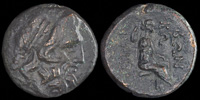
Perrhaebi, Thessaly 300-200 BCE
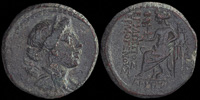
Philadelphia, Lydia 2nd-1st centuries BCE