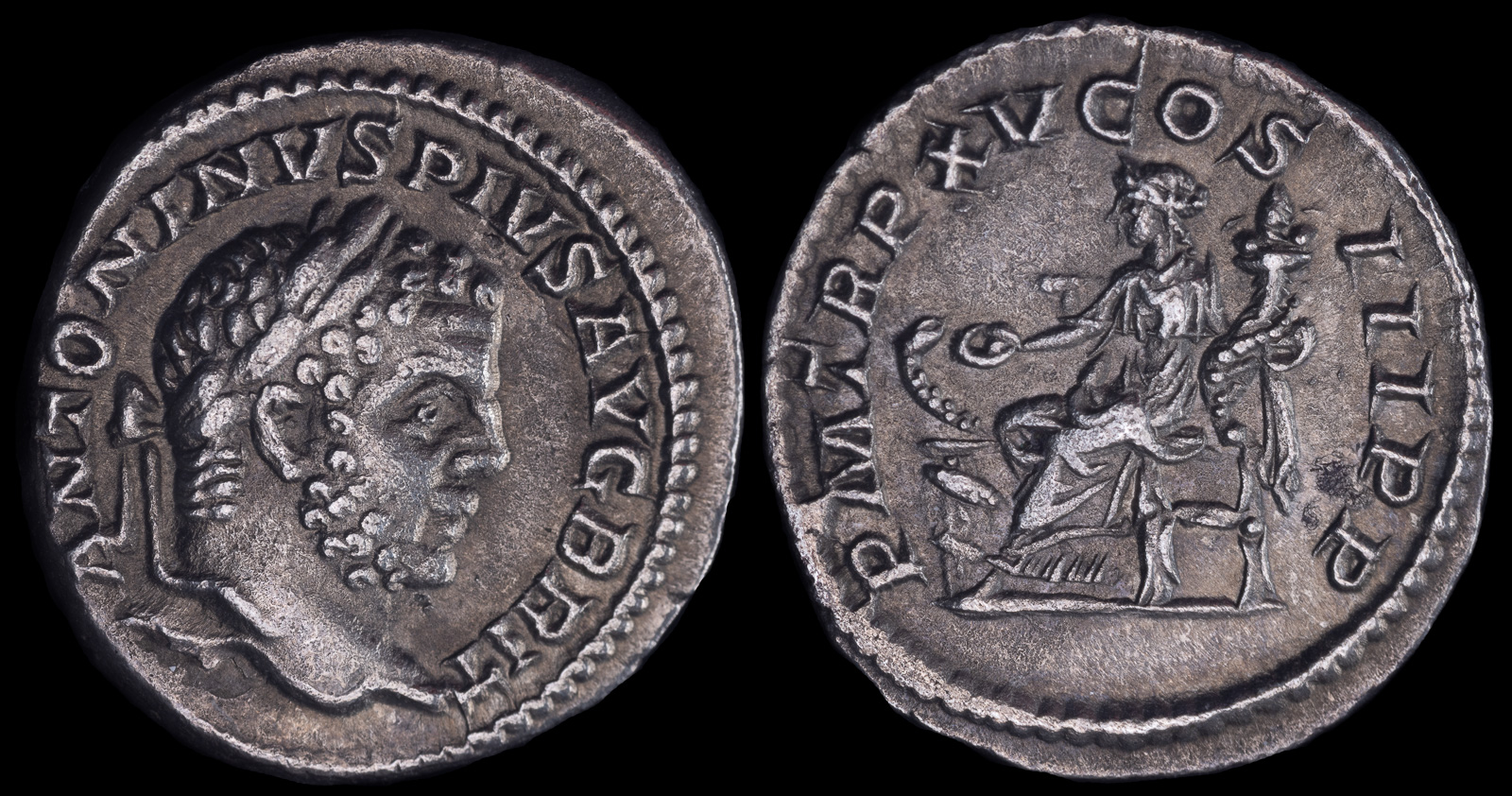
Carcalla
AR Denarius 17.75mm 3.10g
212 CE
Obverse: ANTONINVS PIVS AVG BRIT, laureate head right
Reverse: P M TR P XV COS III P P. Salus seated left, holding cornucopia and feeding serpent from patera
RIC IV 196 Rome
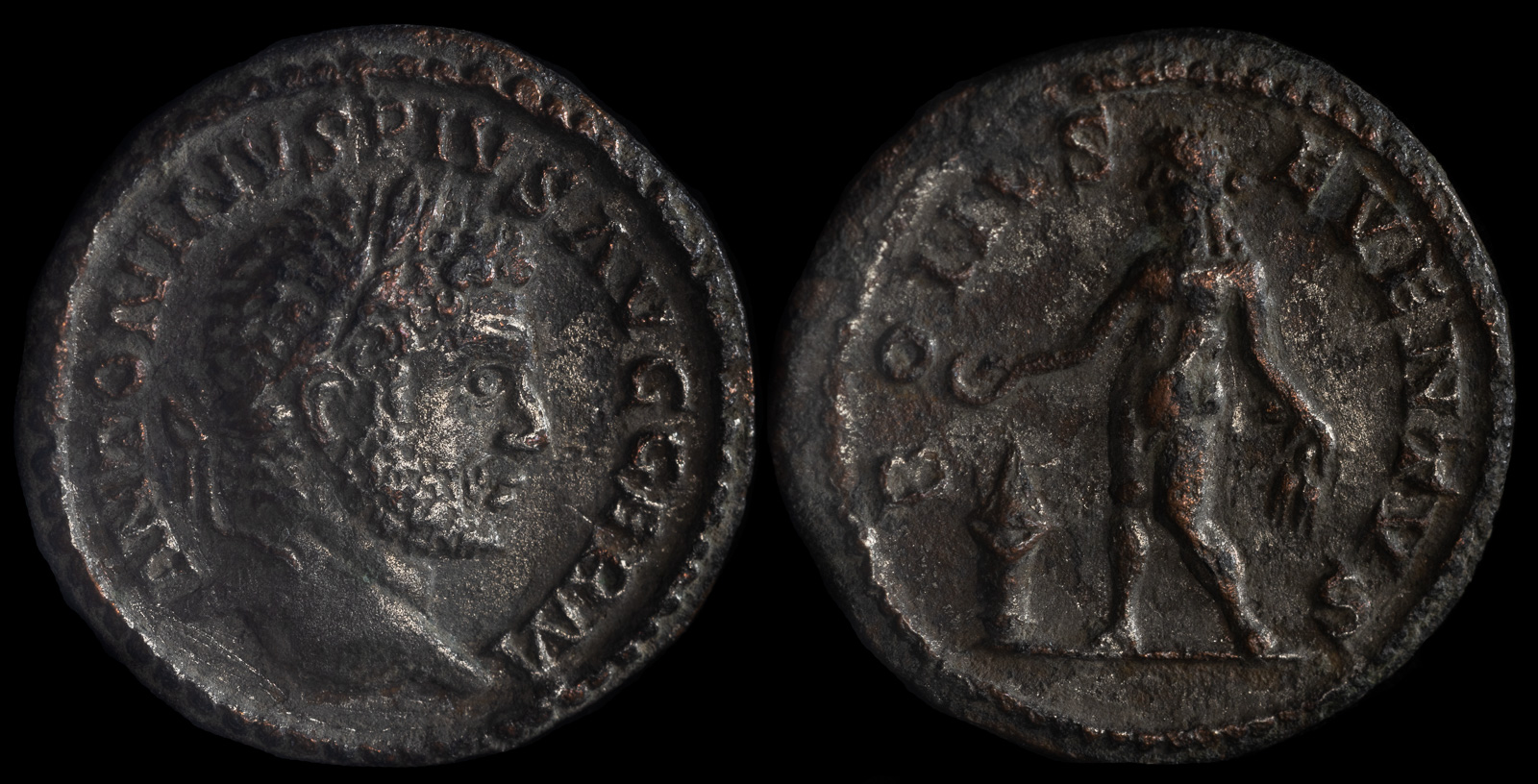
Caracalla
Rome 199-201 CE
Æ Fourreé Denarius 19mm, 2,42g
Laureate, draped, and cuirassed bust right /
Bonus Eventus standing left, sacrificing out of patera over lighted altar at feet to left and holding corn ears.
RIC IV 33; RSC 19
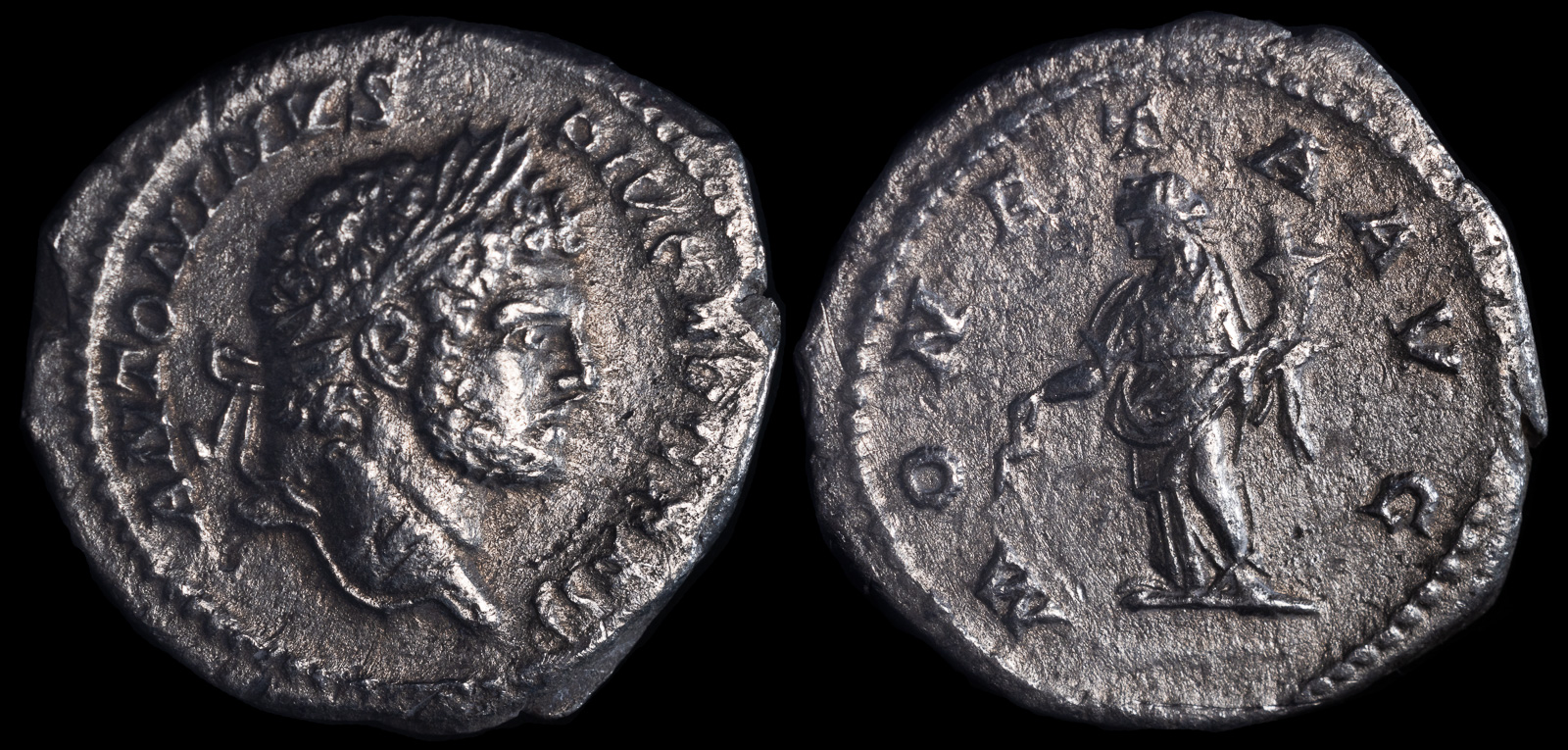
Caracalla
Rome 198-217 CE
Denarius AR 20mm, 2,30g
Obv: ANTONINVS PIVS AVG BRIT. Head of Caracalla, laureate, bearded, right.
Rev: MONETA AVG. Moneta, draped, standing left, holding scales in right hand and cornucopiae in left hand.
Ref: RIC 224; BMC 90; RSC 165
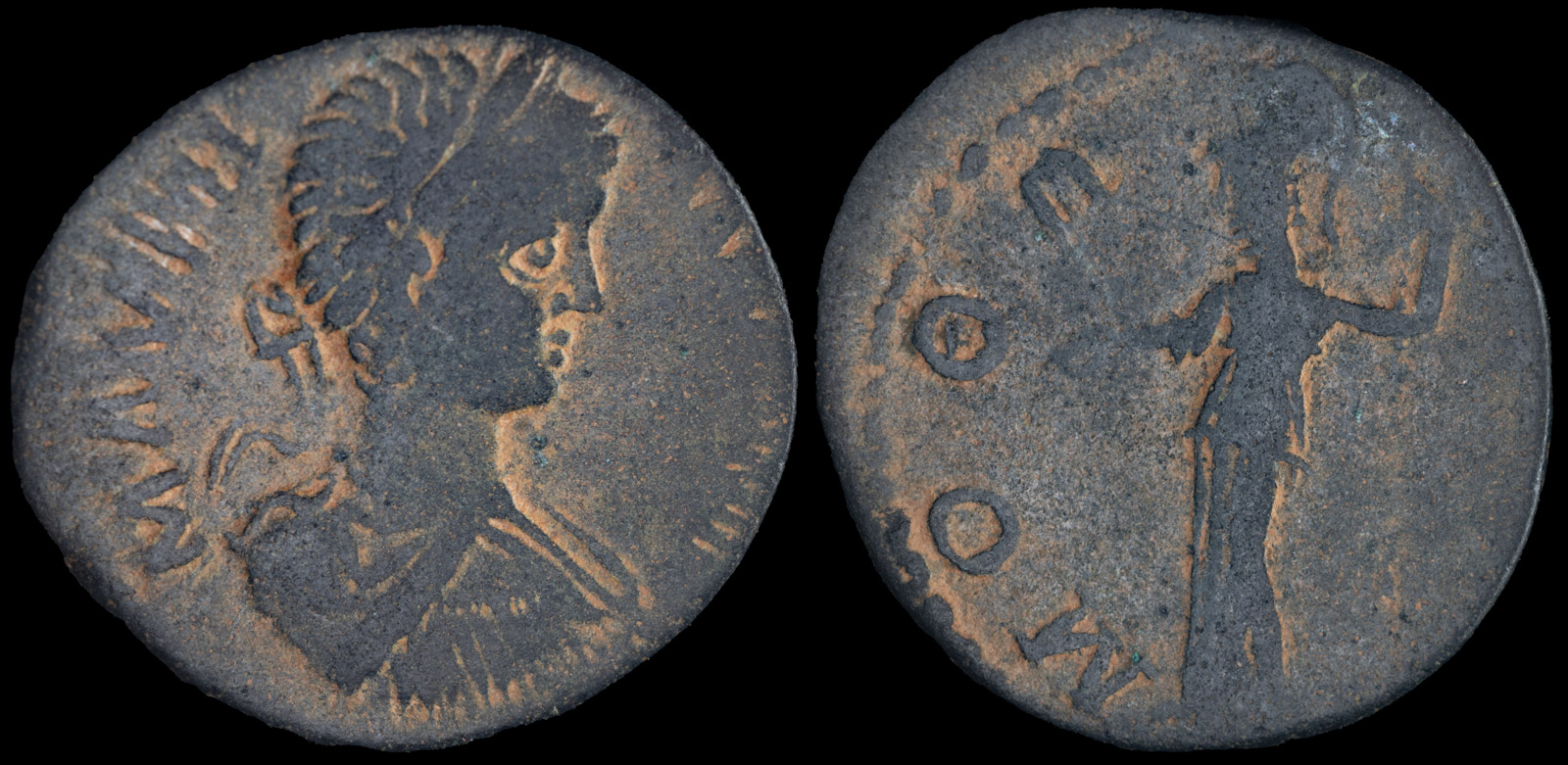
Messenia, Mothone
Caracalla, Augustus
Ca 198-208 CE
Assarion Bronze, 21mm, 4.02g, 5h
M AYPH ANTΩNINOC Laureate, draped and cuirassed bust of Caracalla to right, seen from behind.
Rev: ΜΟΘΩ-[ΝΑΙΩΝ] Athena standing facing, head to left, holding phiale in her outstretched right hand and spear with her left.
BCD Peloponnesos -. BCD Peloponnesos II 2824 (same obverse die). BMC -. Cf. NCP p. 68, 2 (type unrecorded for Caracalla). SNG Copenhagen –
Megaris, Megara
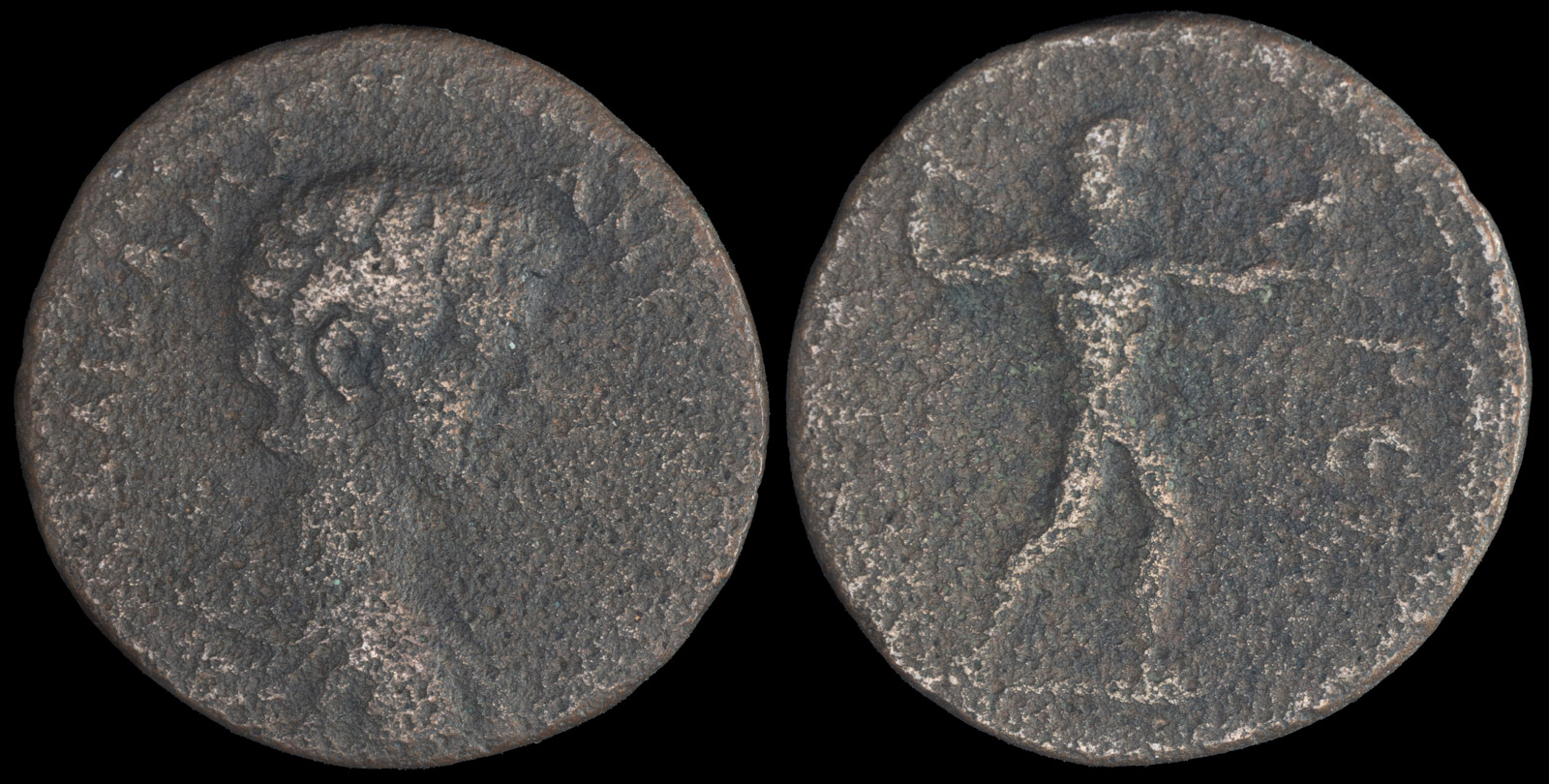
Caracalla 198-217 CE
AE 24.25mm 6.99g
Obverse: Bare-headed and draped bust right
Reverse: Similar to the statue of Zeus of Artemision (now in the Athens National Archaeological Museum) standing right, preparing to hurl thunderbolt in his right hand, eagle perched on his left forearm
LHS 96 BCD lot 58.1 (this coin); NCP page 5, 4
Ex Frank Kovacs
Ex BCD collection
Ex LHS Numismatik 96. Coins of Peloponnesos. The BCD Collection (8 May 2006)
Ex Thomas Olive Mabbott Collection
Ex Hans M. F. Schulman Gallery Auction
Megaris, Megara
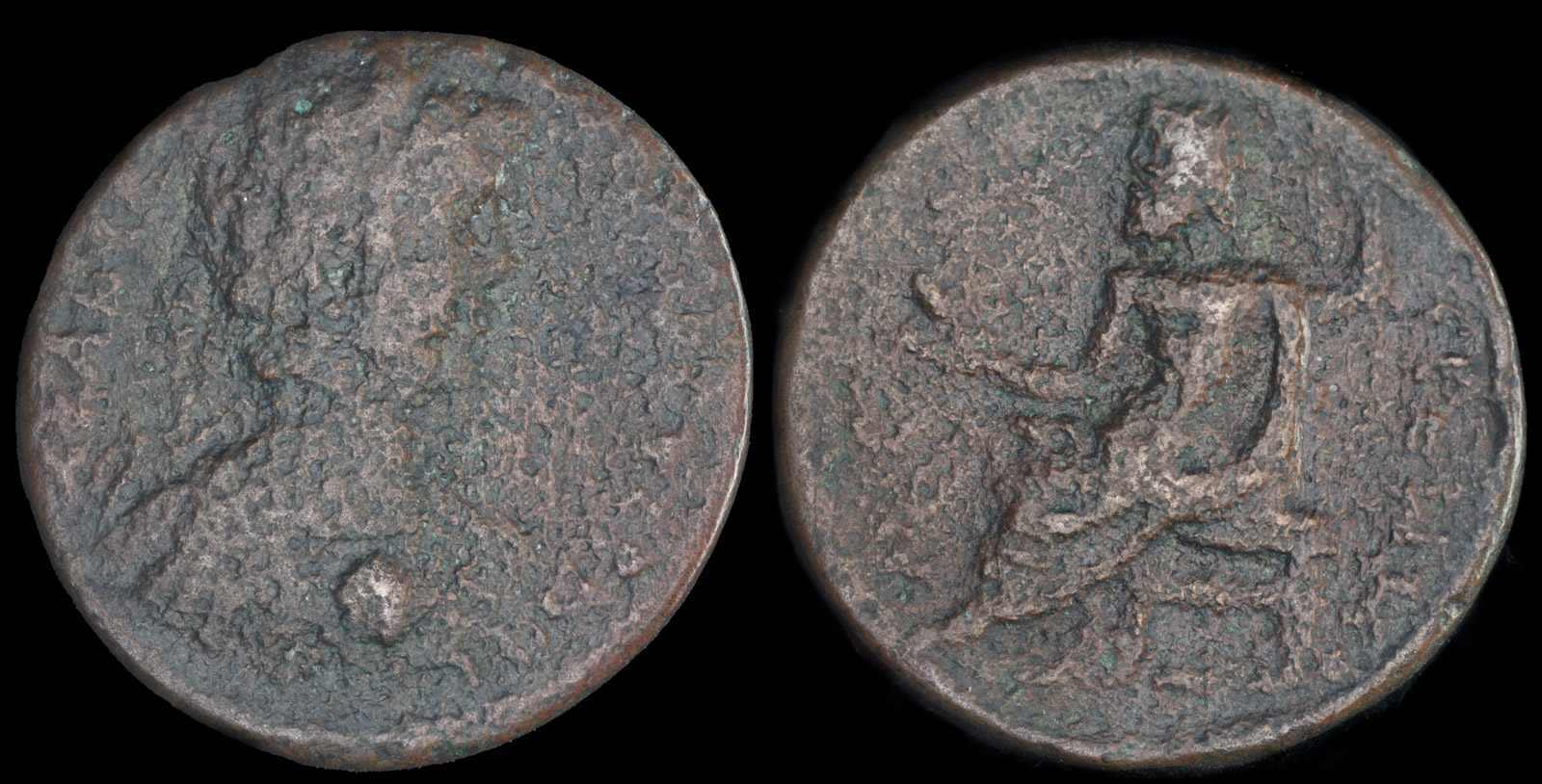
Caracalla 198-217 CE
AE 23.08mm 6.92g
Obverse: Bare-headed and draped bust right
Reverse: Zeus enthroned left, holding Nike and scepter
LHS 96 BCD lot 58.4 (this coin); NCP page 4, 3
Ex Frank Kovacs
Ex BCD collection
Ex LHS Numismatik 96. Coins of Peloponnesos. The BCD Collection (8 May 2006)
Megaris, Megara
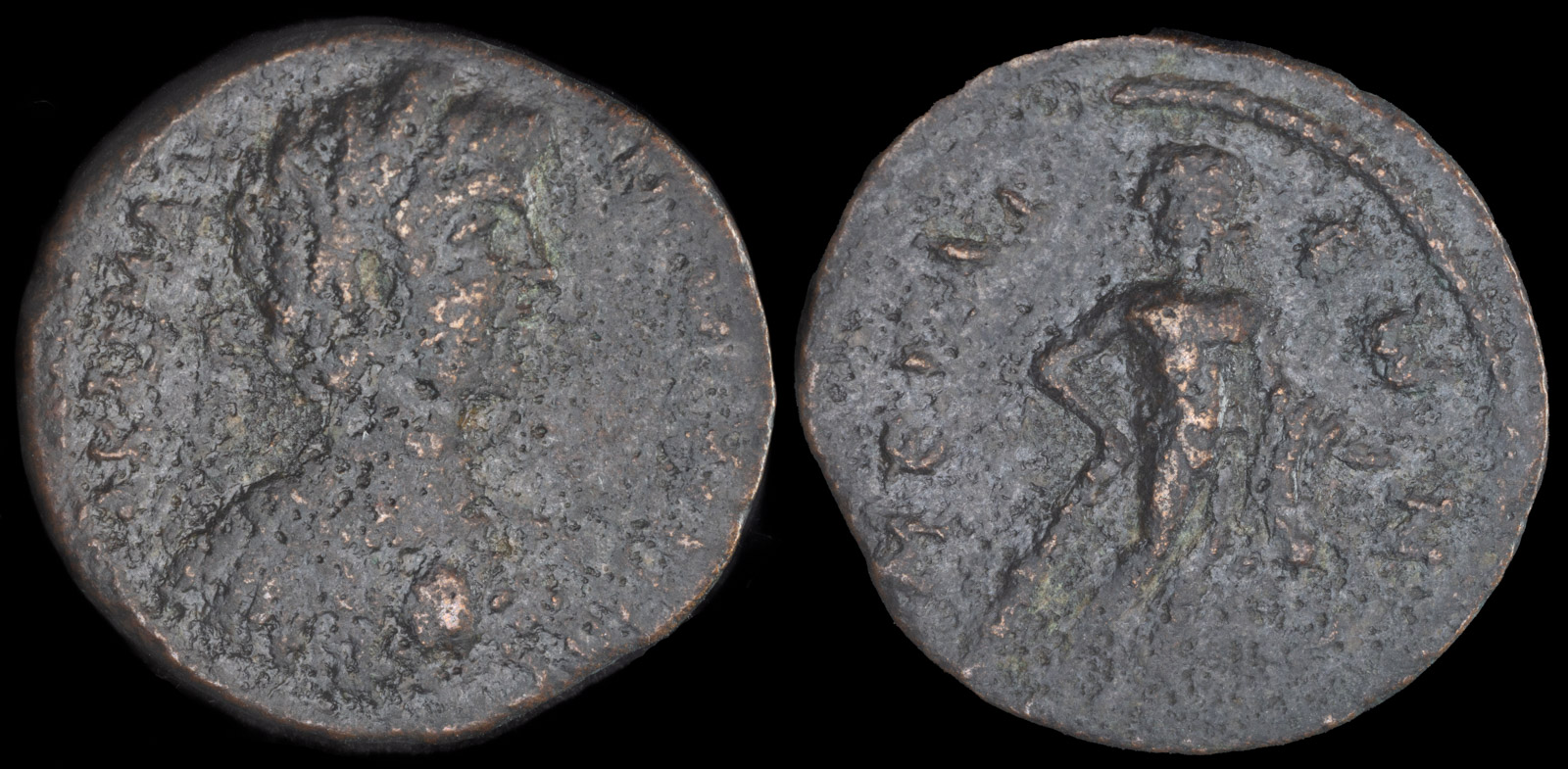
Caracalla 198-217 CE
AE 23.64mm 6.22g
Obverse: Laureate, draped and cuirassed bust right
Reverse: Herakles standing right, head left, resting right hand on club, lion skin draped over left forearm
LHS 96 BCD lot 58.3 (this coin)
Ex Frank Kovac
Ex BCD collection
Ex LHS Numismatik 96. Coins of Peloponnesos. The BCD Collection (8 May 2006)
Peloponnesos, Achaea, Patras
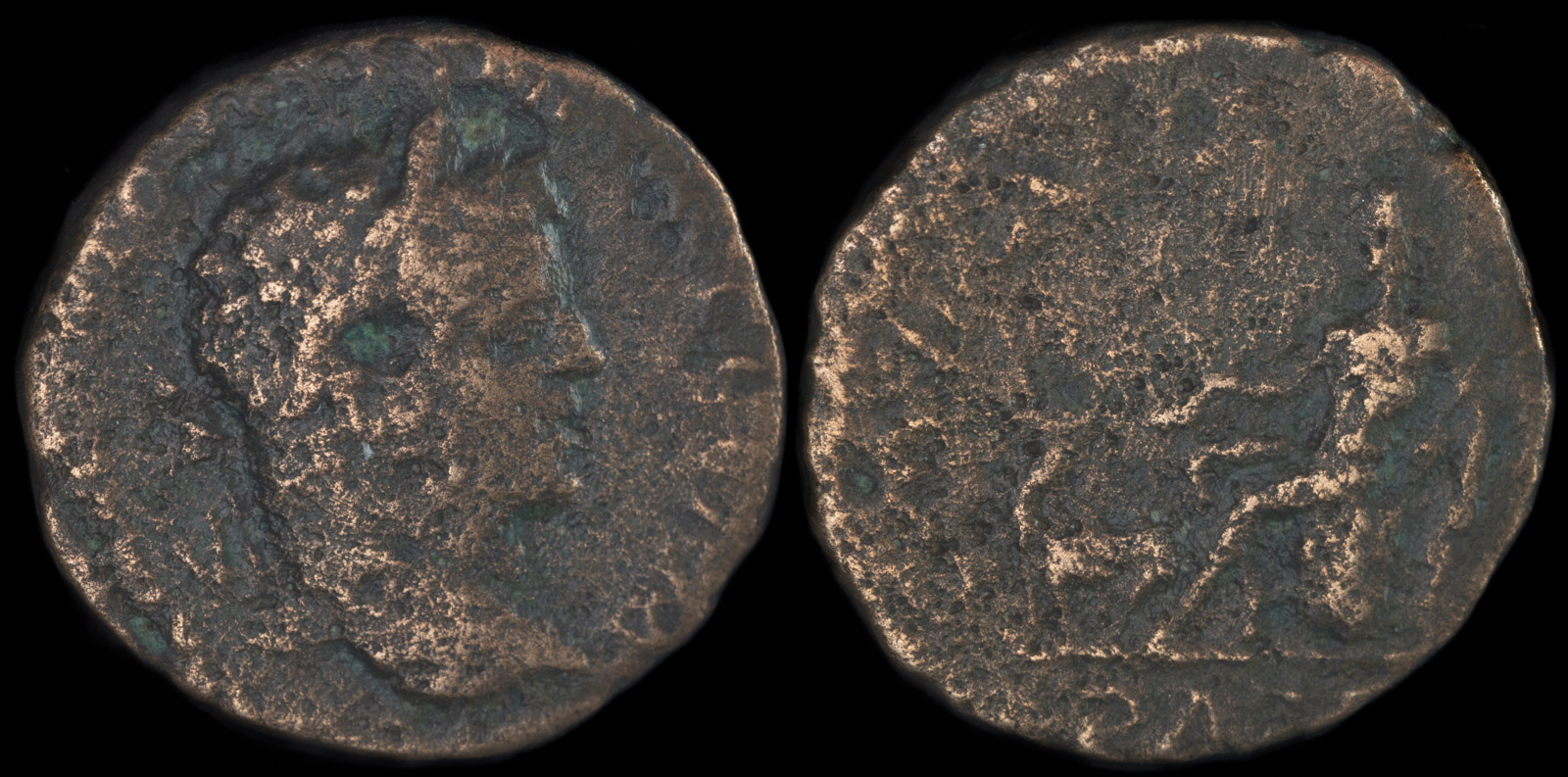
Caracalla 198-217 CE
AE 18.39mm 4.66g
Obverse: M AVR ANTONINVS PIVS AVG GERM, laureate head right
Reverse: COL AAI PATR, Hermes sitting left on rock holding kerykeion; ram that looks like a stag before
SNG Copenhagen 204; NCP page 82 no 16
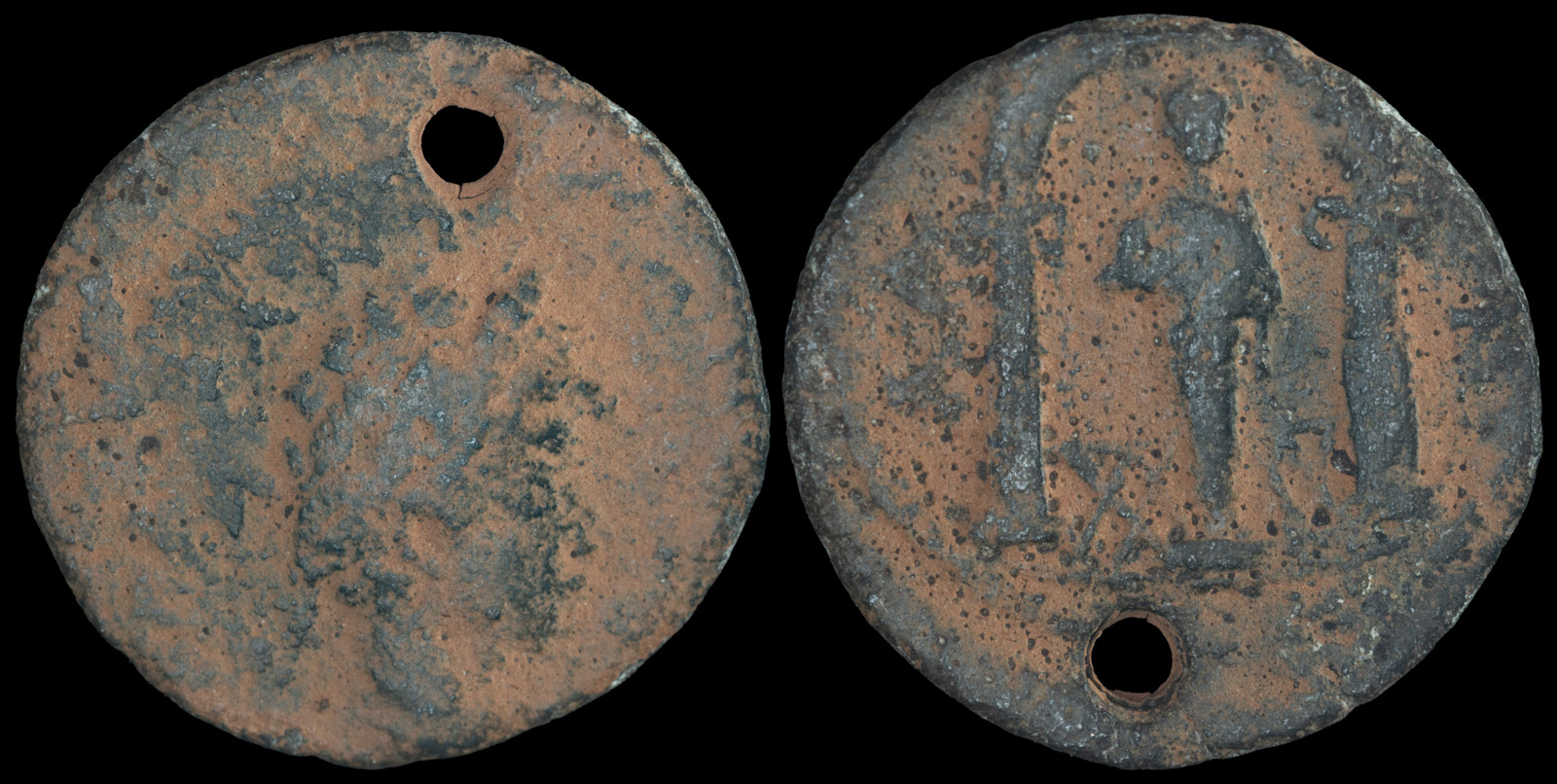
Lakonia, Las
Caracalla. 198-217 CE
Struck circa 202-205 CE
Æ Assarion 21mm, 4.53 g, 6h
Laureate, draped, and cuirassed bust right, seen from behind /
Terminal figure (of Las?), cloaked and holding an uncertain curved object, before a balustrade under a curved arch supported by two columns
BCD Peloponnesos 990; BMC –; NCP –
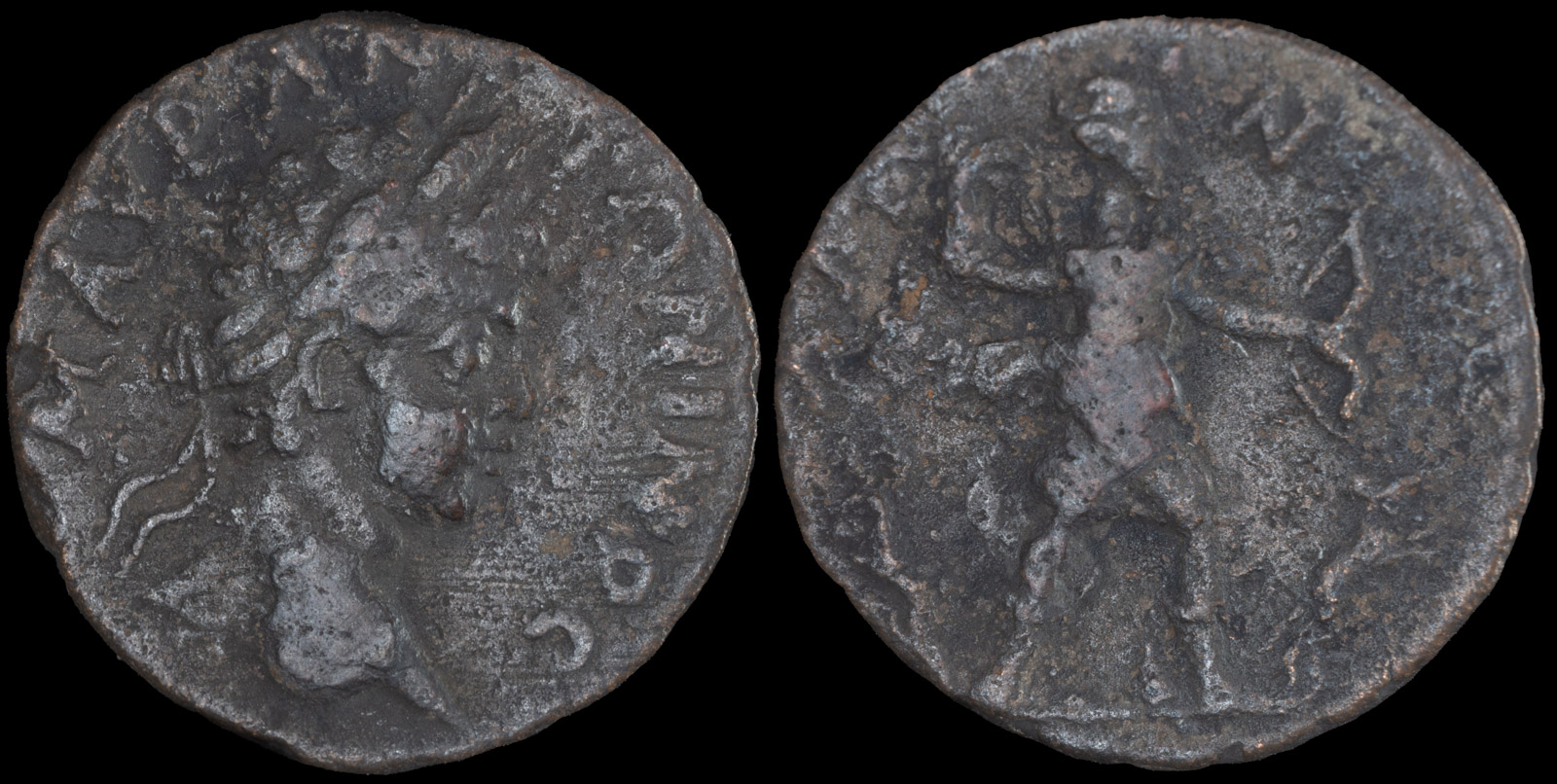
Arkadia. Mantinea
Caracalla (198-217 CE)
Ae 3.97g 21mm
Obv: M AYP ANTΩNINOC. Laureate head right.
Rev: MANTINEΩN. Artemis advancing right, holding bow and drawing arrow from quiver; at her feet, hound running right.
BCD Peloponnesos 1505 var. (bust type and obv. legend); NCP 2
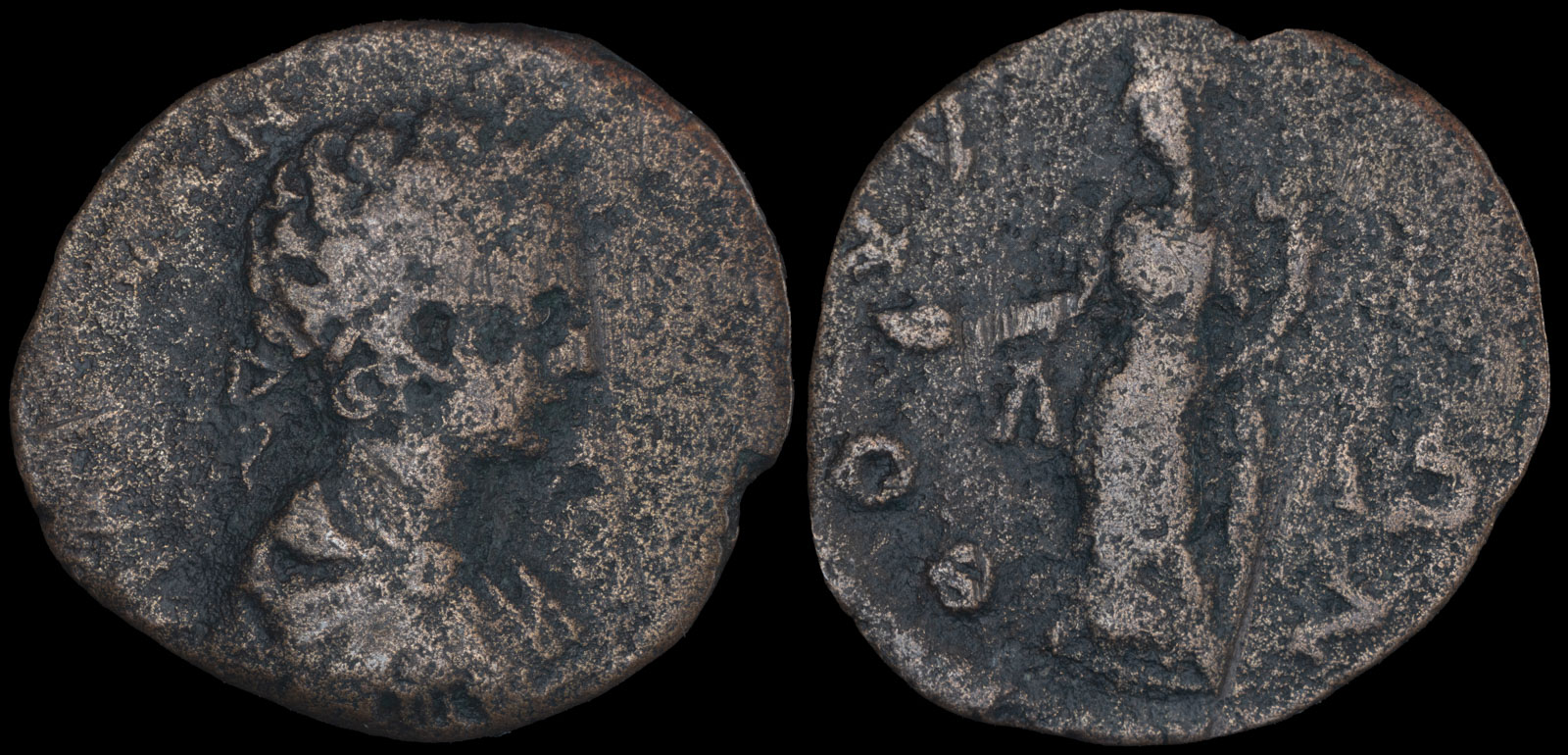
Messenia, Thuria
Caracalla, 198-217 CE
Assarion AE 20mm, 2.82g, 8h
Laureate, draped and cuirassed bust of Caracalla to right
Rev. ΘΟΥΡΙΑΤΩΝ Tyche standing to left, holding a patera and cornucopia, Λ-Α across fields
BCD Peloponnesos I 833. NCP p. 66
Ex collection of John Aiello
Ex BCD collection
Ex Frank Kovacs October 1976
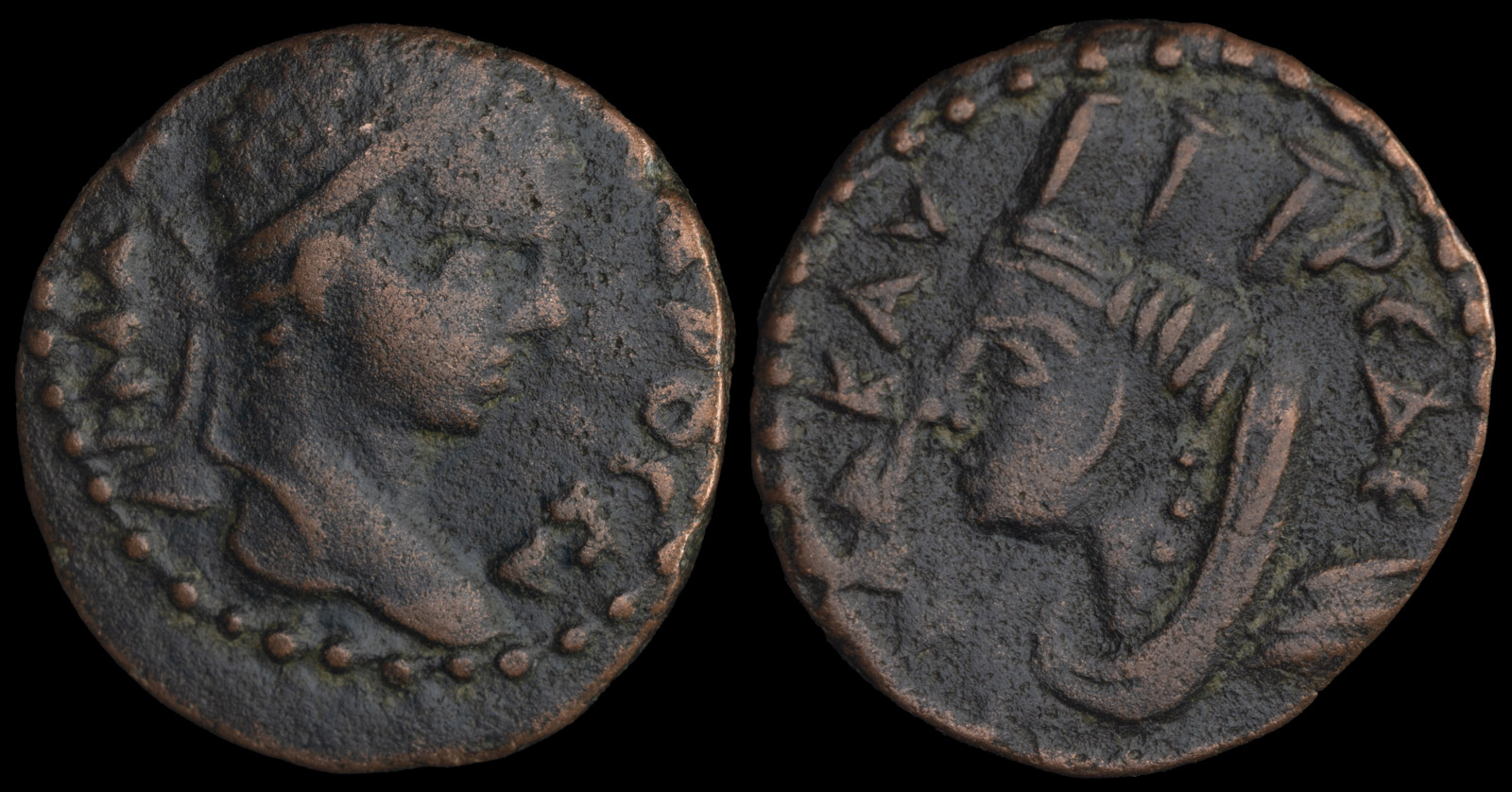
Mesopotamia, Edessa
Caracalla 198-217 CE
Æ 16mm, 3,00g
Laureate head of Caracalla r.
R/ Turreted bust of Tyche l.
RPC V.3 online (unassigned; ID 85588); BMC 16-30
April 4
Caracalla born as Lucius Septimius Bassianus to Septimius Severus and Julia Domna in Lugdunum.
October
Septimius Severus installs Caracalla as his successor and has the Senate declare Clodius Albinus an enemy.
Septimius Severus and Caracalla thank Nicopolis ad Istrum for celebrating a festival and sending money.
January 28
Septimius Severus proclaims Caracalla and his brother Geta as co-emperors.
Caracalla inducted into the Arval Brethren, a body of priests who offered annual sacrifices to the gods for good harvests.
Caracalla serves as Roman consul with his father, Septimius Severus.
April
Caracalla forced to marry Fulvia Plautilla, whom he hated.
Birth of daughter, name unknown, to Plautilla and Caracalla.
Caracalla serves as Roman consul for the second time, this time with his brother Geta.
Caracalla banishes his wife, Plautilla.
January
The Praetorian prefect Plautianus is executed by Septimius Severus after allegation of a conspiracy by Julia Domna and Caracalla.
January 28
Caracalla celebrates the tenth year of his rule.
Caracalla serves as consul for the third time with Geta, his second.
Caracalla leads an expedition north of the Antonine Wall to destroy everything on the other side on behalf of Septimius Severus.
Construction of the Baths of Caracalla begins.
Plautilla is strangled to death, possibly on orders from Caracalla.
February 4
Septimius Severus dies at Eboracum while on campaign in the north of Britain. Caracalla and Geta become co-emperors with Julia Domna mediating between them.
Caracalla proclaims the Constitutio Antoniniana, which gives all free men in the Roman Empire Roman citizenship.
Caracalla erects a temple to Serapis on the Quirinal Hill.
Caracalla has an unpleasant experience in Nicopolis ad Istrum and strips its title of Ulpia.
December 17
Caracalla unsuccessfully attempts to murder Geta at Saturnalia festivities.
December 26
Julia Domna arranges a conciliation meeting between her sons and co-emperors Caracalla and Geta. There, Geta is assassinated by the Praetorian Guard.
Caracalla leaves Rome and accompanies troops against the Alamanni.
April
Caracalla heads to the eastern provinces.
Caracalla visits Alexandria and feels insulted by the locals, so he orders all men of arms-bearing age to be executed.
Caracalla introduces the antoninianus, worth two denarii.
Caracalla visits Hierapolis and bestows a neokoros on it.
Emperor Caracalla holds funeral games at the Tomb of Achilles at Achilleion on his way to Parthia.
Partial inauguration of the Baths of Caracalla.
Julia Domna commits suicide in Antioch after the death of her son Caracalla.
April 8
April
Julia Maesa deliberately spreads a rumor that her grandson Elagabalus is the son of Caracalla after an illicit relationship between Caracalla and his mother Julia Soaemias.