Uraeus
View All Tags
The uraeus was more than a decorative emblem. In Egyptian belief, the cobra could defend the king by striking or spitting fire at his enemies, making it a potent symbol of supernatural protection. Because the pharaoh was regarded as the earthly representative of divine order, the uraeus also expressed his ability to uphold **ma’at**, the proper balance and order of the world. Its presence helped distinguish the ruler from ordinary people and proclaimed that his authority had divine sanction.
The symbol appears throughout Egyptian art, from colossal statues and temple reliefs to funerary objects and royal jewelry. It was often worn with the **nemes** headdress or incorporated into crowns. In later periods, the uraeus could appear alongside the vulture goddess **Nekhbet**, representing Upper Egypt, so that the two together symbolized the king’s rule over the united land of Egypt.
Because the uraeus was so closely associated with kingship, it became one of the most enduring visual emblems of ancient Egypt. Even when dynasties changed, the rearing cobra continued to convey the same essential ideas: royal legitimacy, divine protection, and the pharaoh’s sacred role as guardian of Egypt.
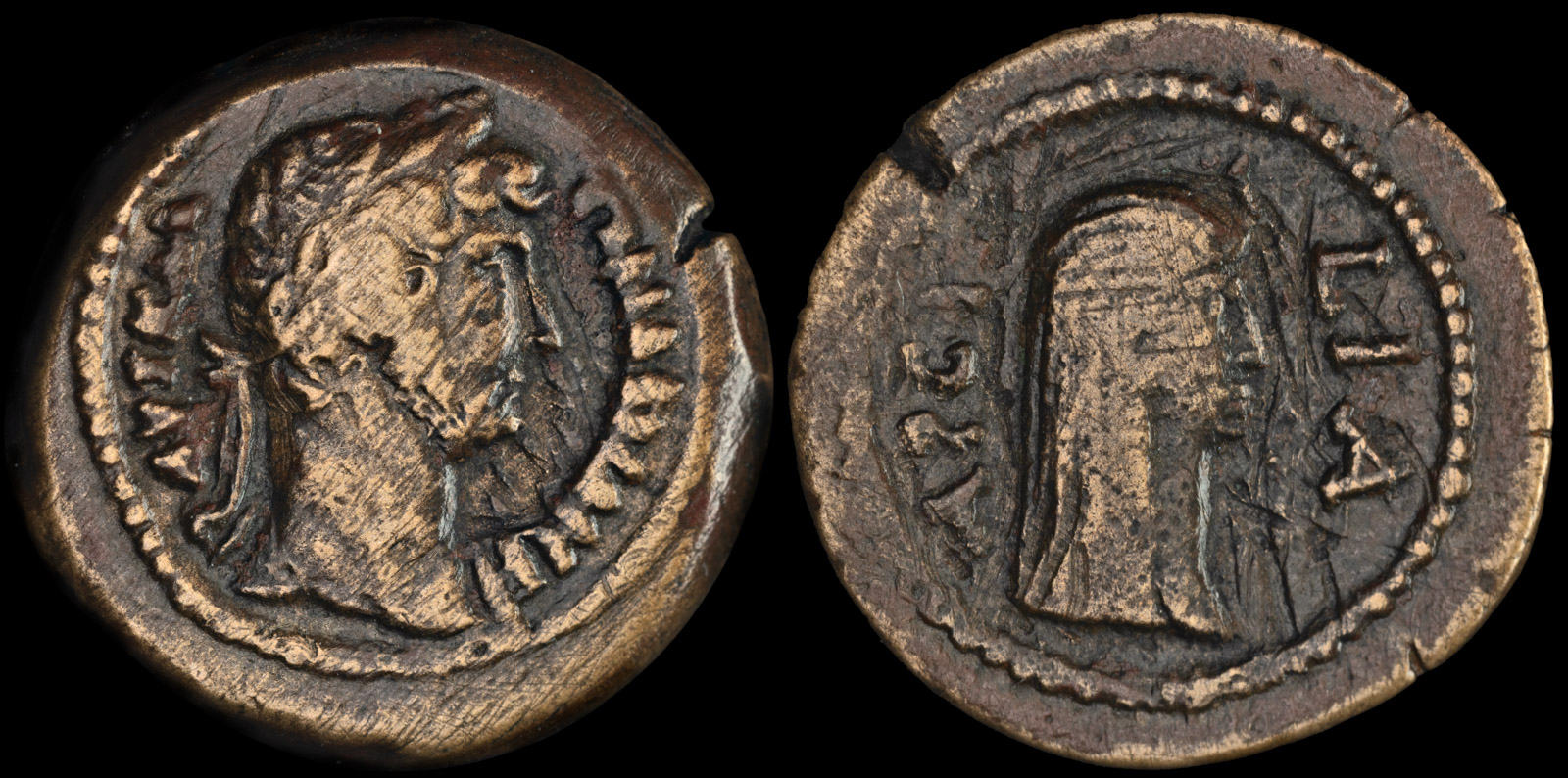
Egypt, Arsinoite Nome
Hadrian, 117-138
Obol Bronze, 19mm, 5.1 g
year 11 = 126-127 CE
ΑΥΤ ΚΑΙ ΤΡΑΙ ΑΔΡΙΑ CEΒ Laureate head of Hadrian to right, with slight drapery on far shoulder.
Rev. ΑΡCI / L ΙΑ Head of Amenemhat III to right, wearing nemes adorned with uraeus.
Dattari (Savio) 6210. K&G N6.6. RPC III 6296