
Macedon, Thessalonica
circa 187-167 BCE
Æ 21mm, 9,58g
Head of Dionysos with ivy wreath right /
Pegasos springing right, grain ear below. very fine
Touratsoglou, Macedonia 3; HGC 3, 724
Thessalonika was the ancient name for the modern metropolis of Thesaloniki, the second largest city in Greece. It was founded in 315 BCE by King Kassander and named for his wife, Thessalonika, who was the grand-daughter of Philip II and niece of Alexander the Great. It eventually became the most important city in Macedonia.
Interestingly, it appears that Thessalonika, despite its importance, didn’t mint any coins until Roman times. This coin is among the earliest minted there and is relatively rare. It depicts Pegasos.
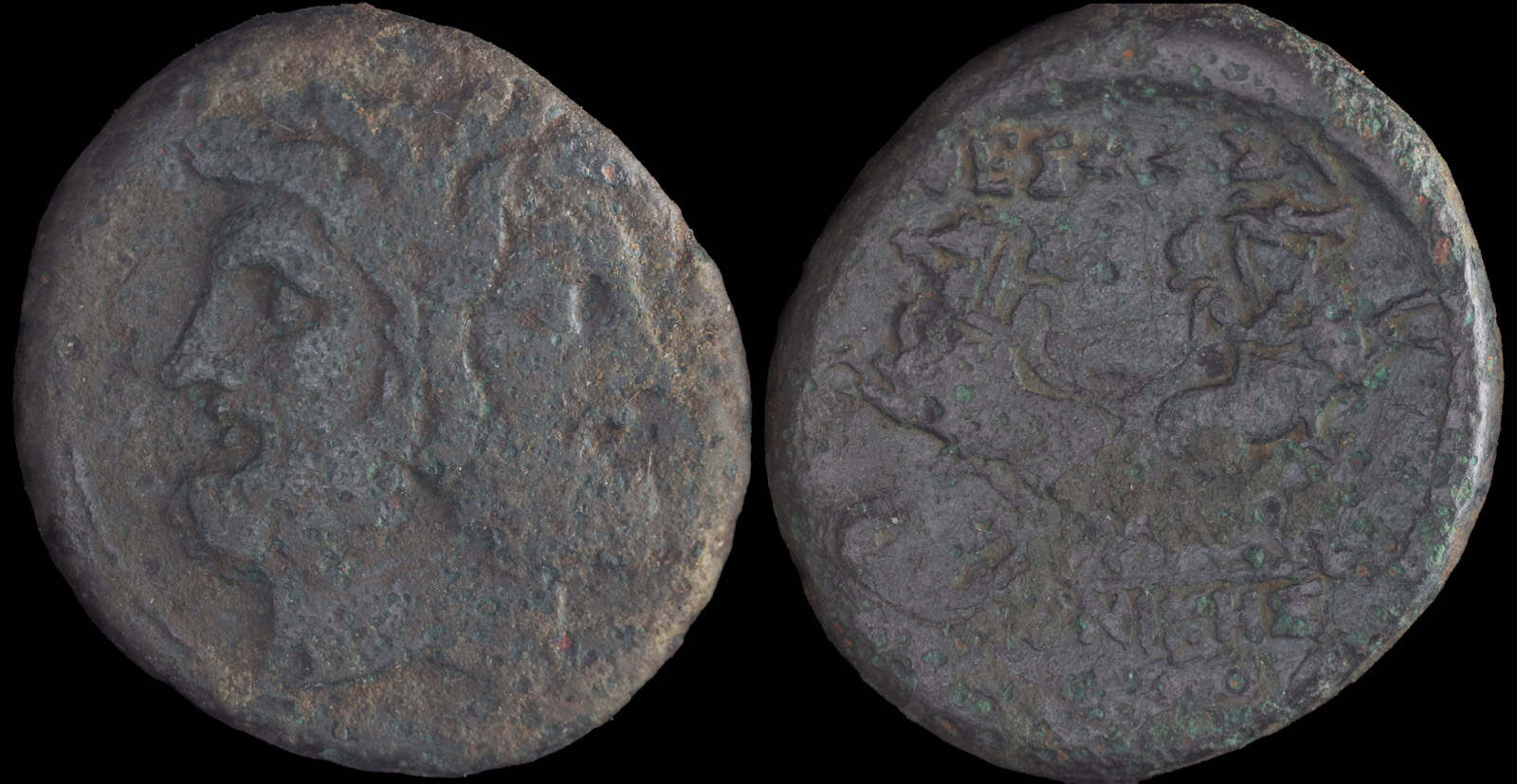
Macedon, Thessalonika
Ca 187-168/7 BCE
AE 15.83g 27.10mm
Laureate janiform head /
[ΘEΣΣAΛONIKEΩ[N], two centaurs prancing, each holding branch.
SNG ANS 804-5; SNG Copenhagen 370-1
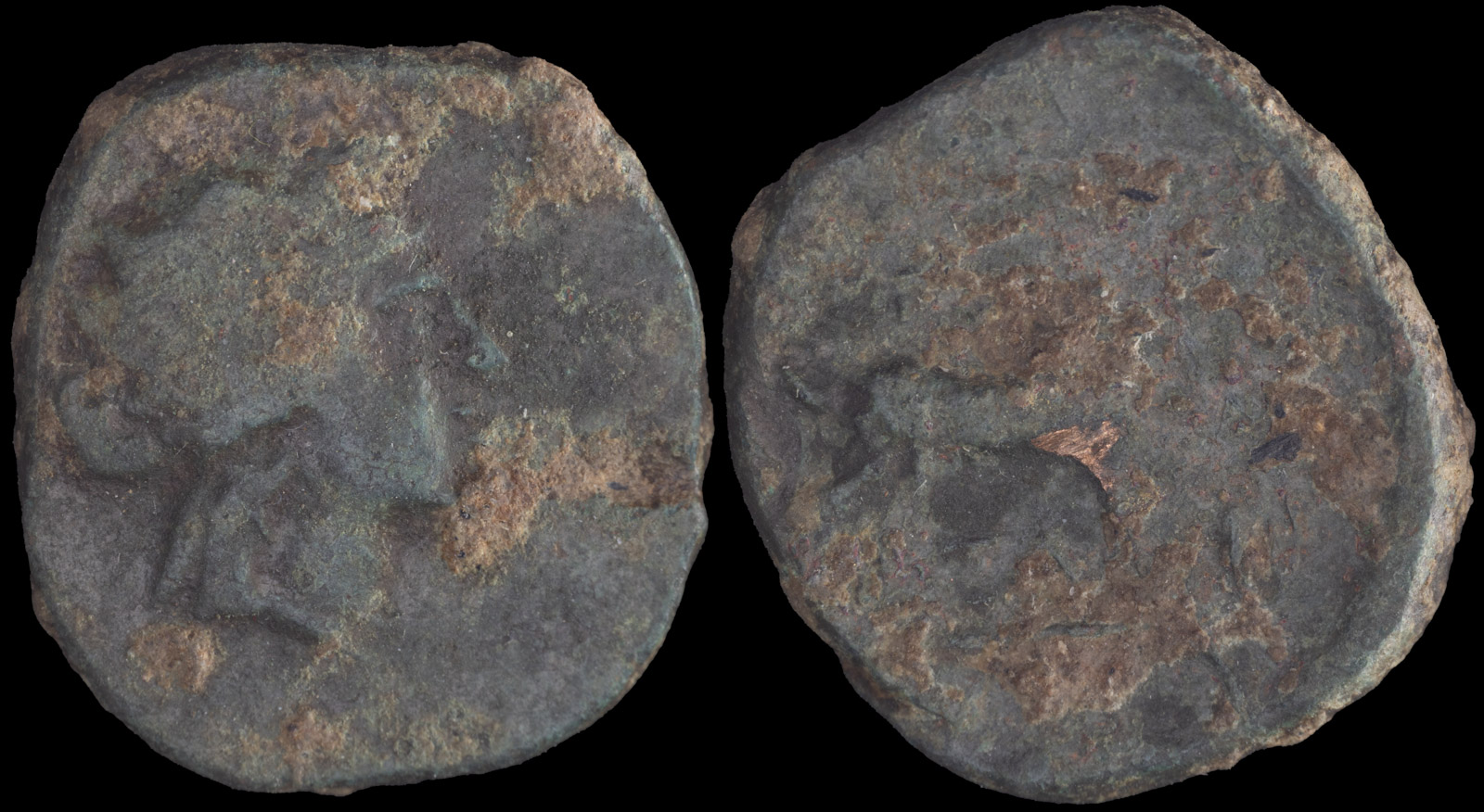
Macedon. Thessalonika
After 148 BCE
AE 7.60g 21.74mm
Obv: Wreathed head of Dionysos right.
Rev: ΘΕΣΣΑΛΟΝΙΚHΣ. Goat standing right.
Cf. SNG ANS 764-9 (control); HGC 3.1, 723
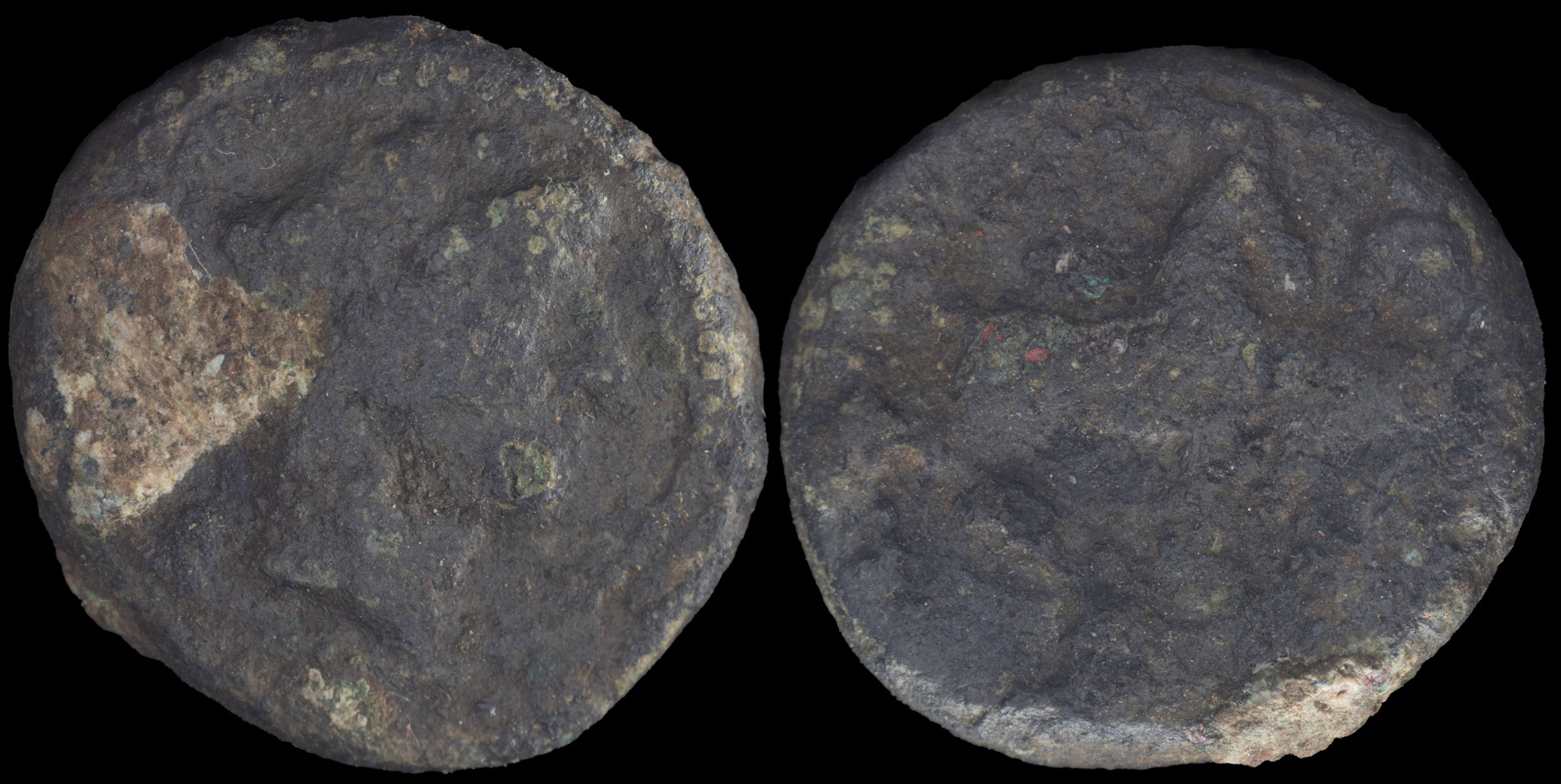
Macedon, Thessalonika
After 148 BCE
AE 6.55g 17.88mm
Head of Athena in Corinthian helmet to right /
ΘEΣΣAΛONIKHΣ, horse galloping to right, star above.
AMNG III/2, 3; SNG ANS 770; HGC 3.1, 727
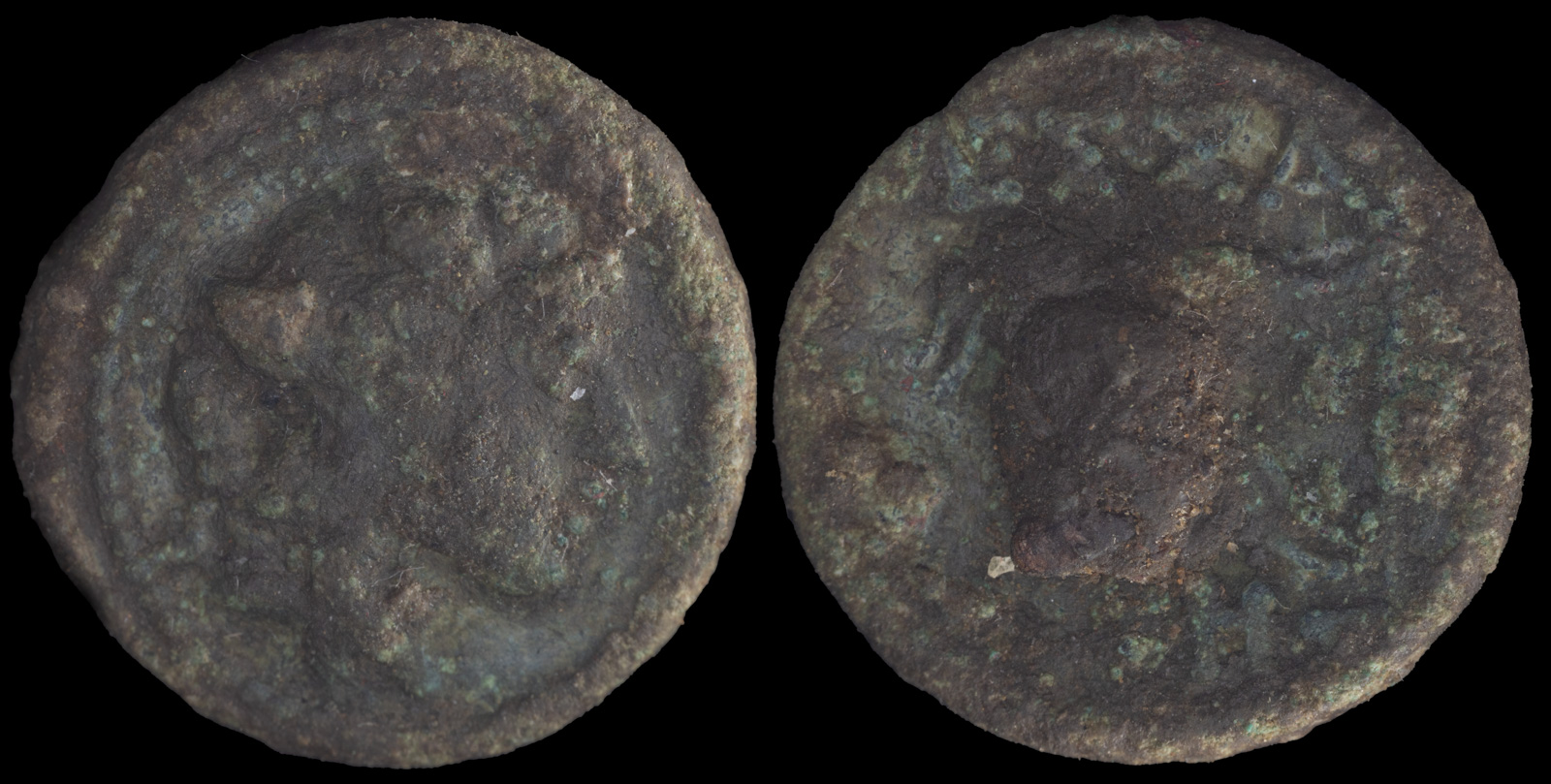
Thessalonika, Macedon
2nd-1st centuries BCE
AE 5.30g 18.63mm
Obv: Bearded portrait of Zeus right
Rev: Prow right. ΘEΣΣAΛO-NIKHΣHGC around
HGC 3: 718
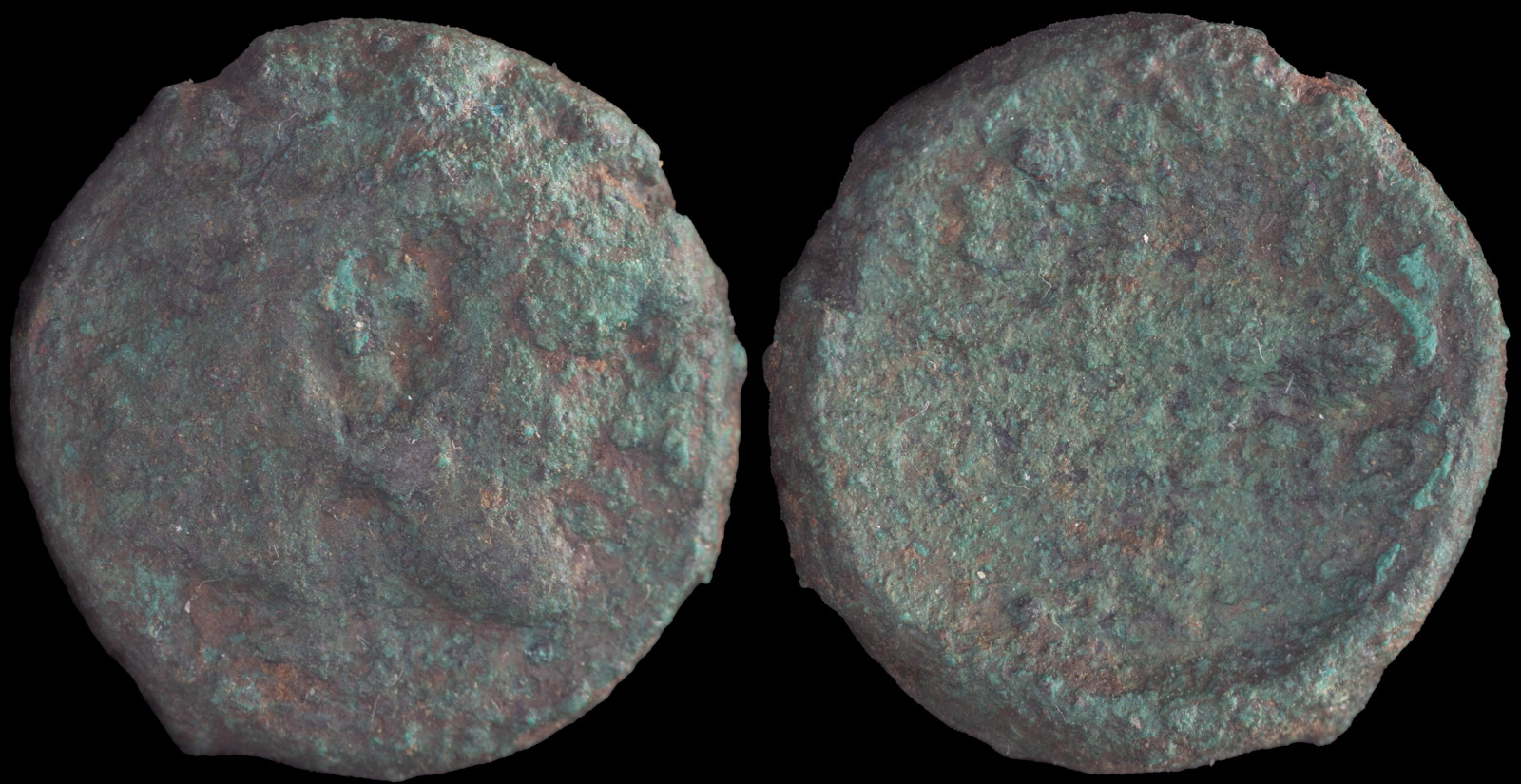
Macedon, Thessalonika
Ca. 183-31 BCE
AE 6.32g 19.11mm
Head of young Herakles right, wearing lion’s skin headdress /
ΘEΣΣAΛO-NIKEΩN, club within oak wreath, monogram above
BMC 6; SNG Cop 363
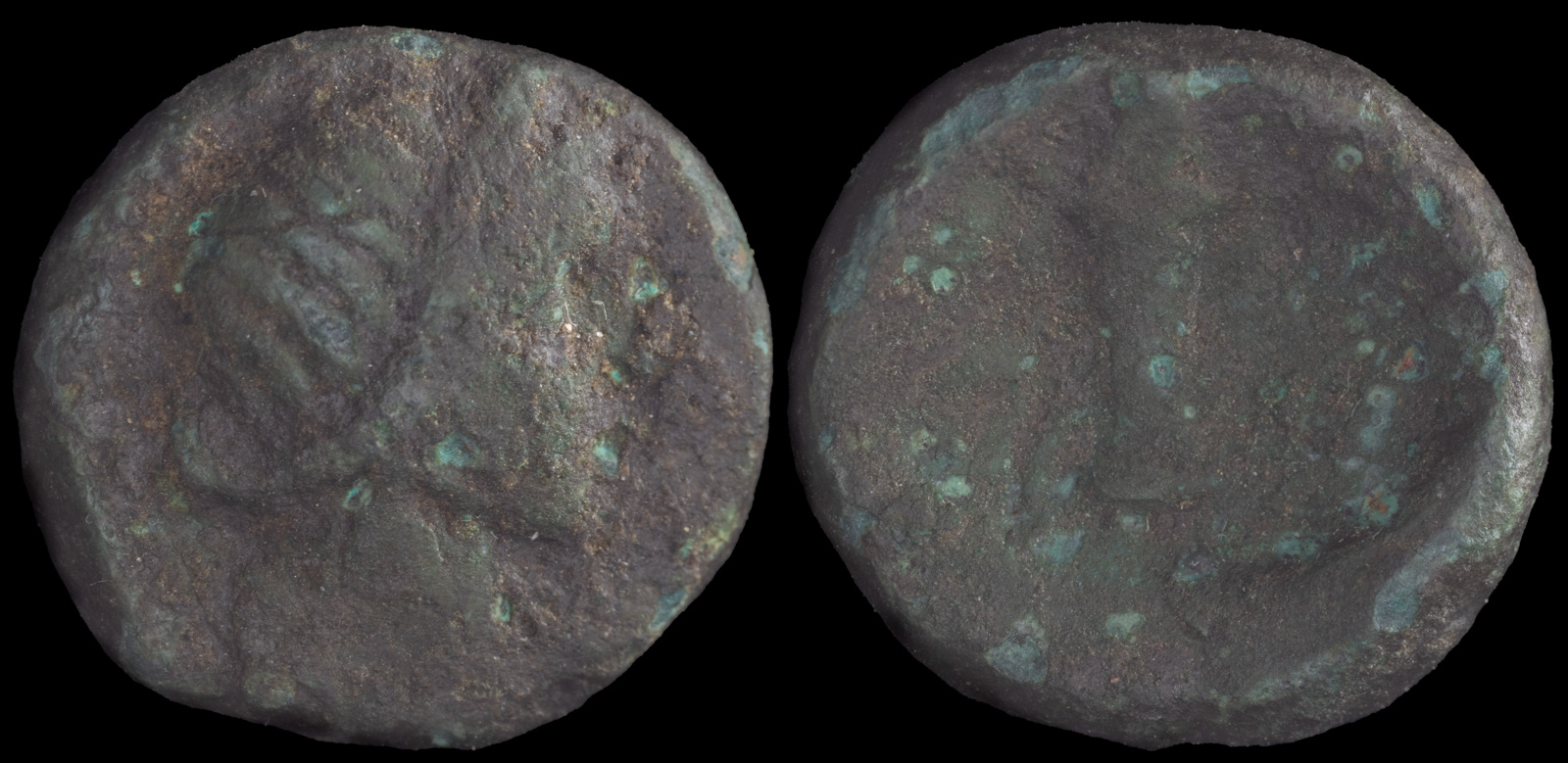
Macedonia, Thessalonika
Ca. 187-31 BCE
AE 4.52g 16.38mm
Diademed head of Artemis right /
ΘEΣΣAΛ[O]NIKEΩ[N], bow and quiver
SNG ANS 787; SNG Copenhagen 356
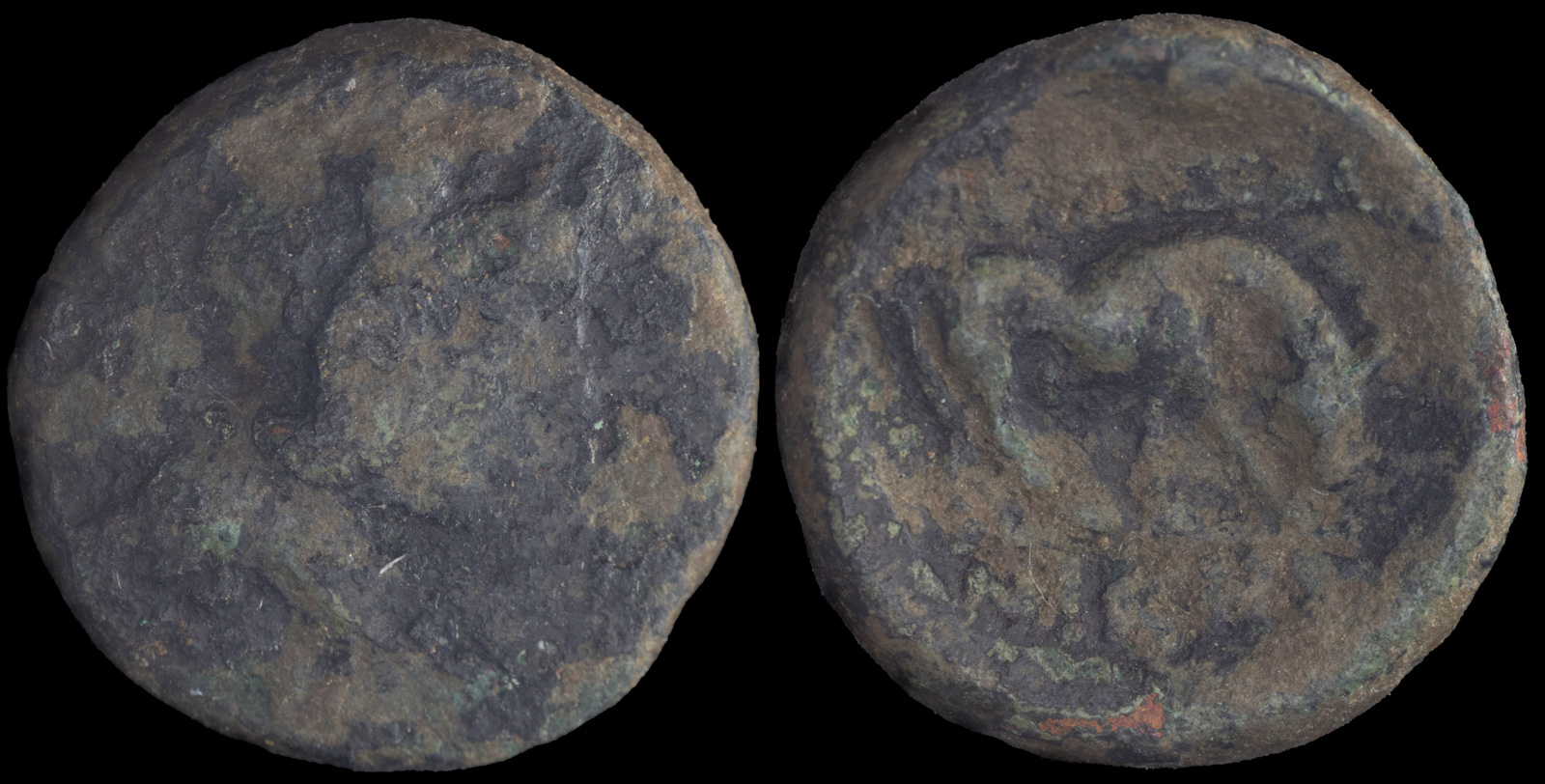
Thessalonika, Macedonia,
187-11 BCE
AE 5.56g 16.91mm
Helmeted head of Athena right. /
ΘEΣΣAΛO-NIKHΣ above and beneath bull grazing right, head facing.
BMC 19; SNG ANS 794-797; AMNG 12; Sandanski Museum 11-12; Gatzolis “Bottiaeans” AEN 3359
Thessalonika made the capital of the Roman province of Macedonia.
Marc Antony declares Thessalonika a free city.
Arch of Galerius constructed in Thessalonika to commemorate the victory over Narseh.
Licinius is accused of a plot to kill Constantine the Great, is caught at Thessalonika, and is executed.
April
The Massacre of Thessalonika occurs when Roman soldiers massacre civilians. It is believed to have been ordered by Theodosius.