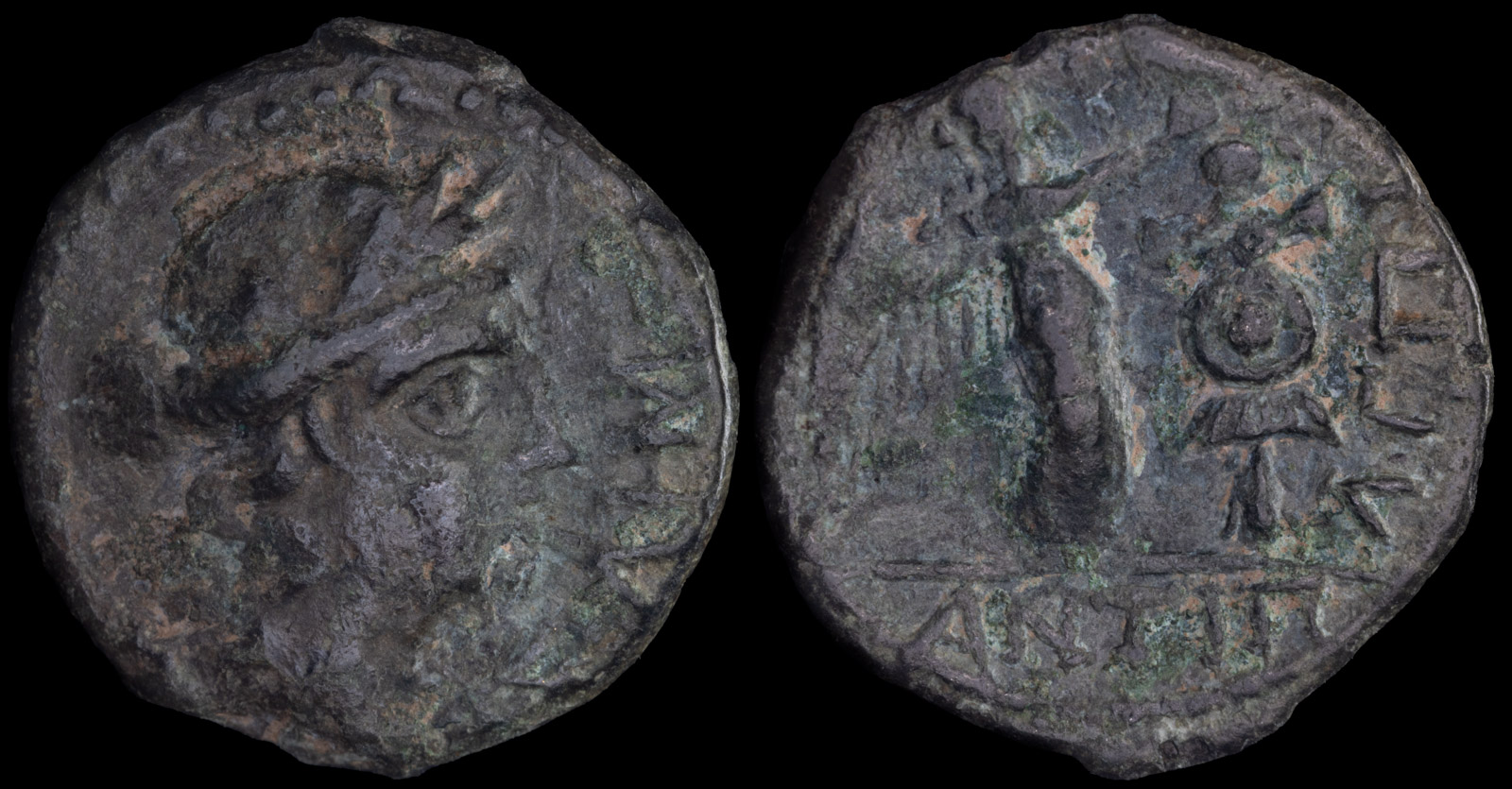
Gaul. Antipolis
Lepidus 43 BCE
AE 15mm, 1,75g
Diademed head of Venus right; EY ΙΣ before /
Victory standing right, crowning trophy; [Λ]EΠI to right, [ANTI…] in exergue.
H. Ciron, “Le monnayage d’Antipolis,” Proceedings of the XIth International Numismatic Congress II (1993), p. 157, 3; RPC I 532 var. (magistrate)
Antipolis is the modern day city of Antibes, France. It was originally a colony of Phokaians from nearby Massalia, and was named because it stood on the opposite (Anti == opposite, Polis == city) side of the estueary from Nikaia. Its original purpose was to protect Massalia’s trade routes.
This coin was minted when the city was under the control of the Triumvir Lepidus. The area was soon taken by Mark Antony, though I don’t see any other Triumvir mentioned, and thus assume it was under the sole control of Lepidus at the time.
For some time, my wife has been pushing for a trip to the south of France, so I booked it for her birthday. While I was aware that there are excellent Roman ruins in the vicinity – especially at Arles and Nîmes (from which I have a coin), she made it clear that this was her trip, and thus spending time at ruins was not on the radar. She did offer a day trip, but I just felt that attempting the insanity of seeing Arles, Avignon, and Nîmes in a few hours was not doing any justice. I therefore left them for a future trip.
(As an aside, that sacrifice might have paid off huge because she was so happy with the trip that southern France has now replaced Florida as our top choice if we leave Washington State)
Antipolis was founded sometime in the 4th century BCE by colonists from nearby Massalia, and was likely initially a fortress to protect trade routes. Being on the opposite side of the river from Nice, it was named “opposite city” or “Antipolis”, in line with the incredibly inventive Greek names at the time.
Today, Antipolis has become the city of Antibes, though interestingly there’s a technology park called Sophia-Antipolis nearby. Clearly when the Romans took over, the remaining Greeks got into tech and opened that park, which still does business today.
For most of its history, Antipolis doesn’t appear to have minted any coins. The exception occurred during the Second Triumvirate, when Lepidus controlled the territory that included Antipolis.
His power there did not last long. After the Battle of Philippi, Antony and Octavian divided up most of Lepidus’ territories, though the gave him a small slice in Africa to play with. Therefore, this coin was most likely minted in the interim. Reading CIron’s paper on the coinage, I found it interesting that there are at least 14 known magistrates (13 in his paper, plus this one). He surmises that at the time, the city was still primarily Greek. Likely these coins were minted for a relatively harsh tax, perhaps to pay for the legions Lepidus granted to Octavian.
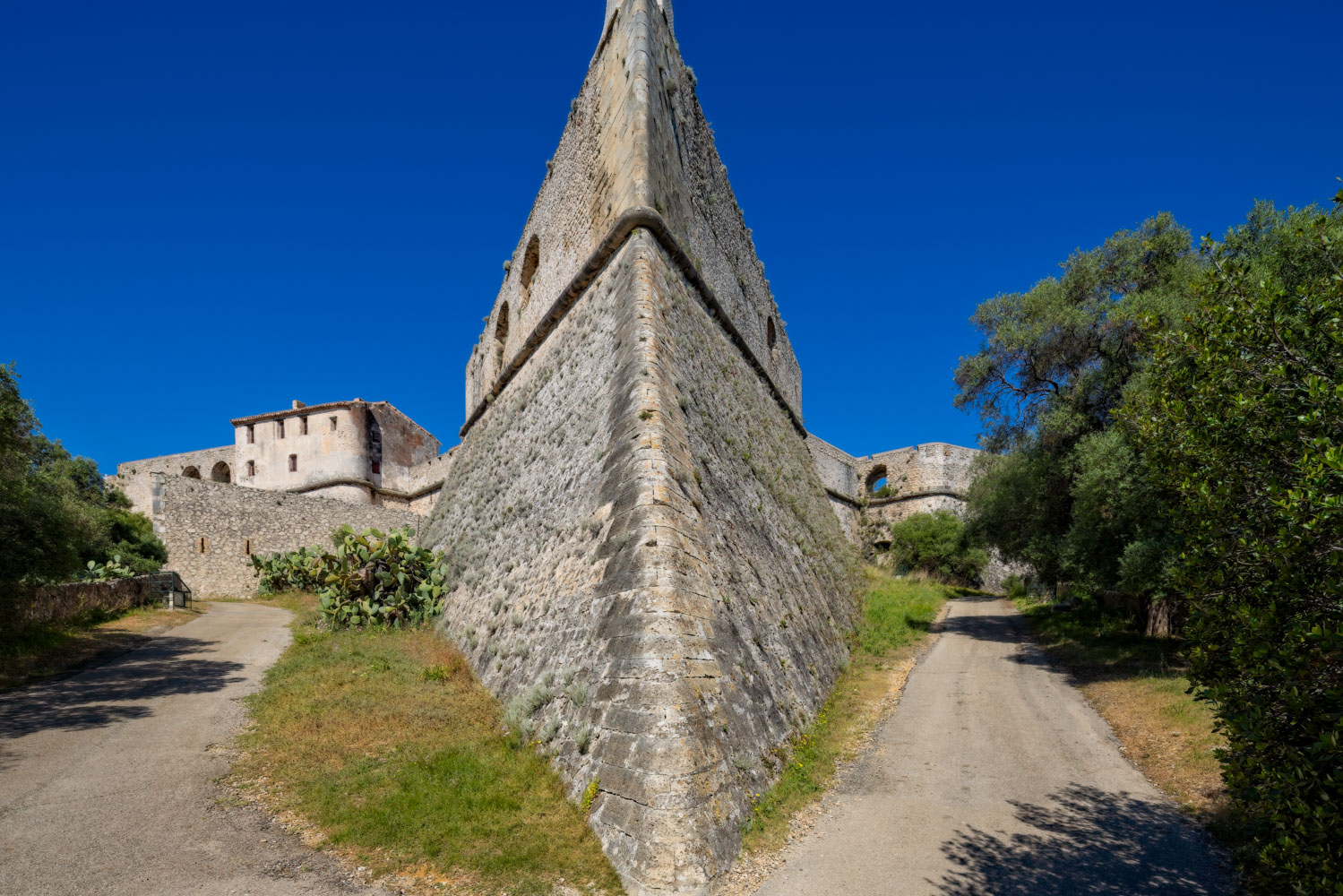
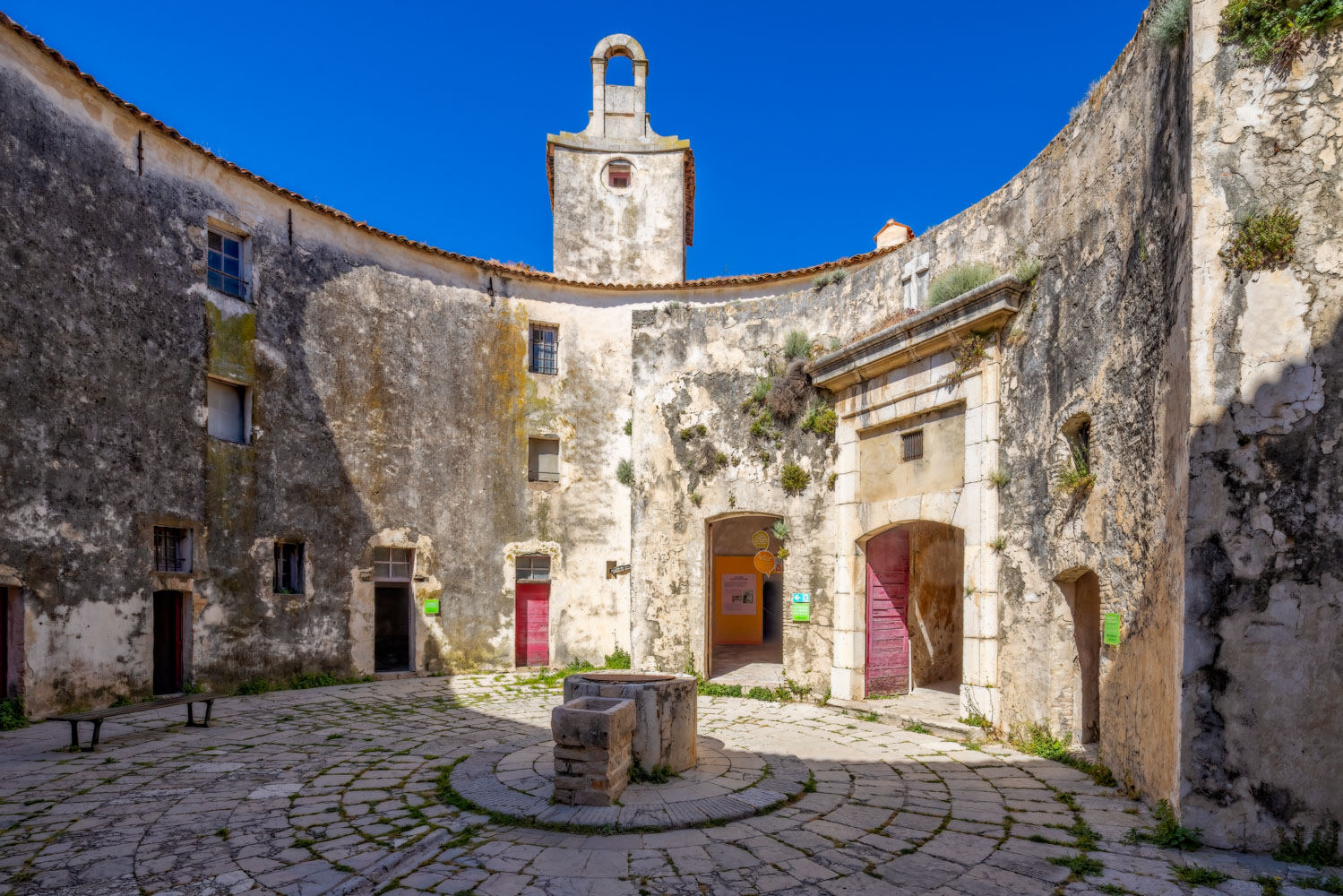
Getting back to Antibes, we visited the city only for a few hours, since our hotel wasn’t in Antibes itself but in Cap d’Antibes nearby. Close to it is Fort Carré, where we stopped first.
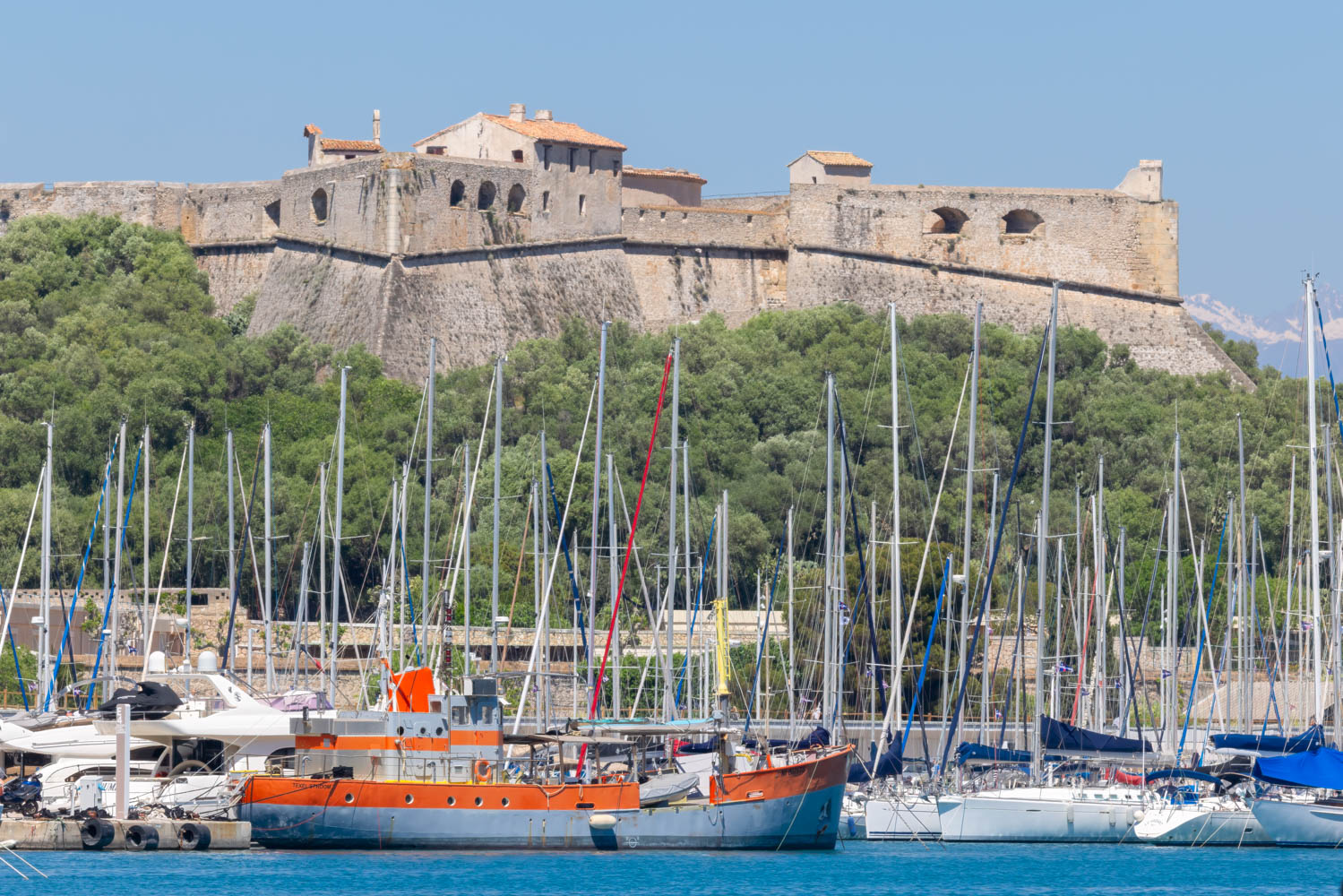
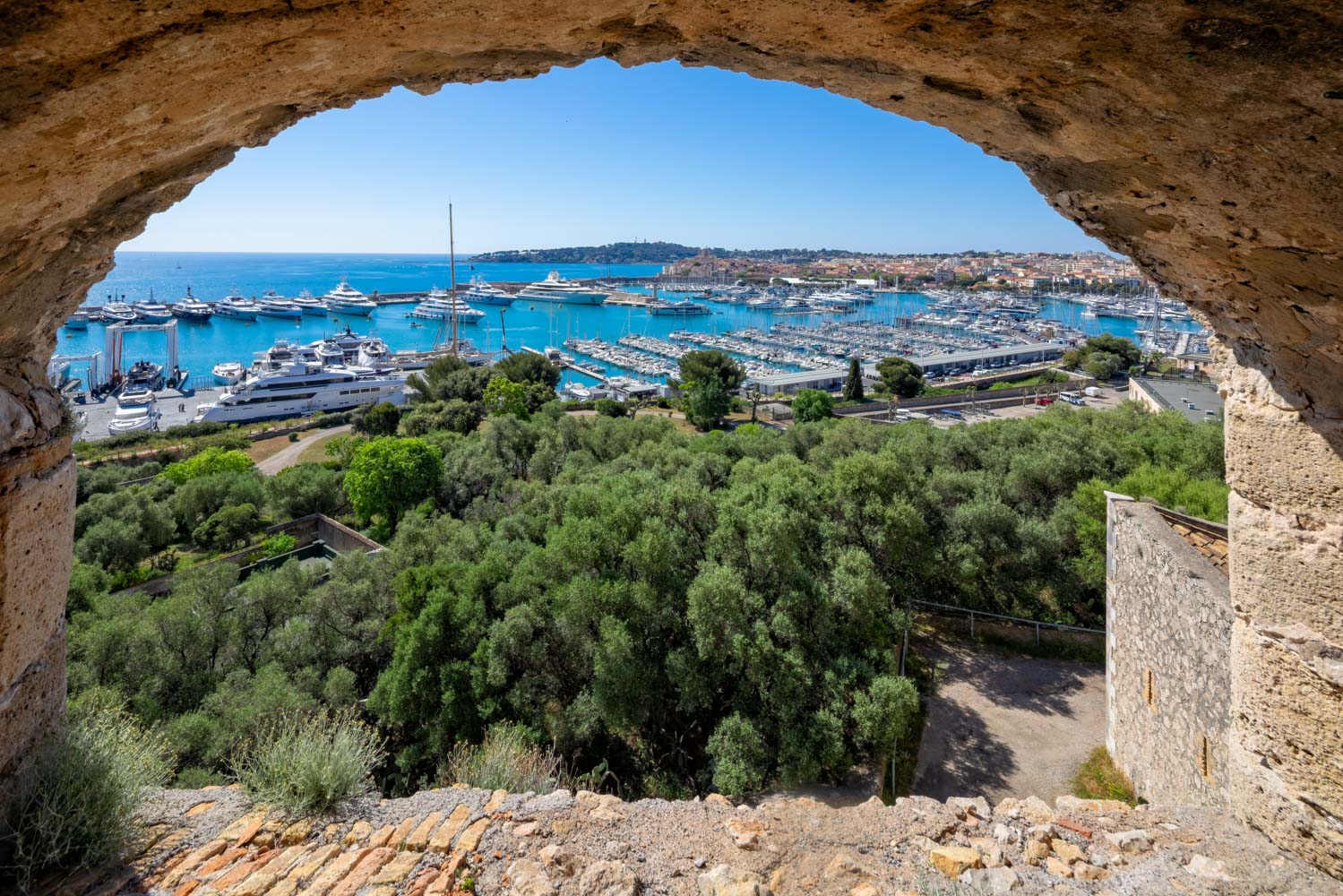
Here you can see the marina, where we saw what we initially thought were cruise ships, but were actually people’s boats.
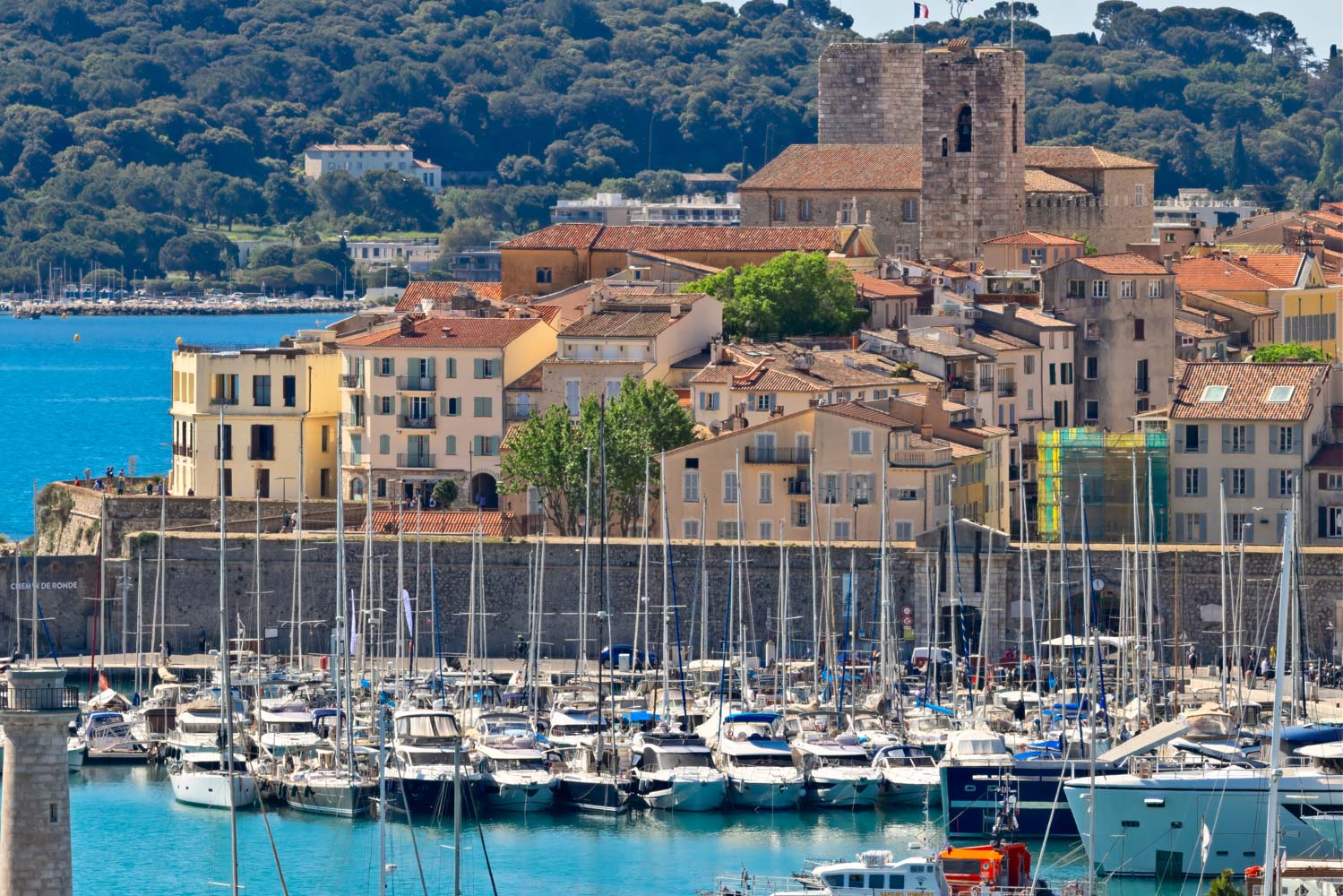
We then headed to the old town itself. My wife went shopping while I took photos of the city. This was one of her favorite stops shopping-wise. On my side, Antibes is a very cute town. It would have been interesting to stay there for a night or two.
This is the old town from the harbor.
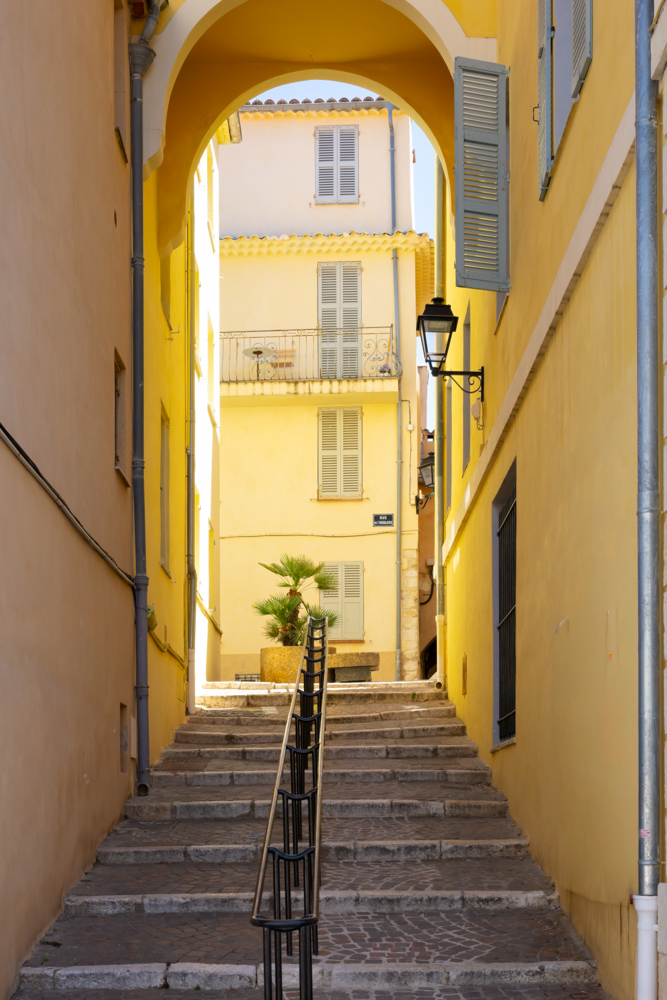
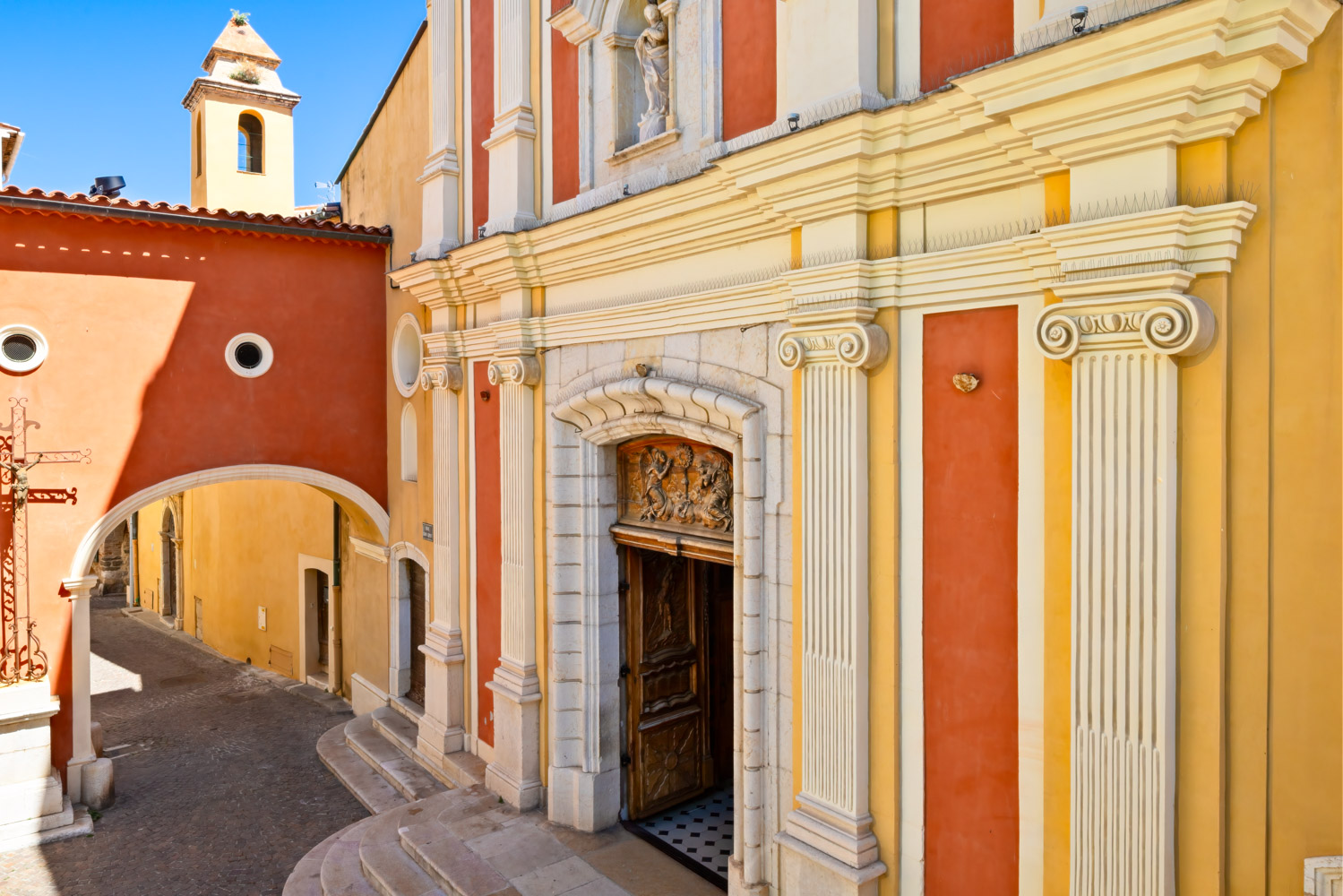
And these are some shots I managed to get without the flood of people. Normally I go out early when the light is best and no one’s around, but in this case we visited mid-day.