
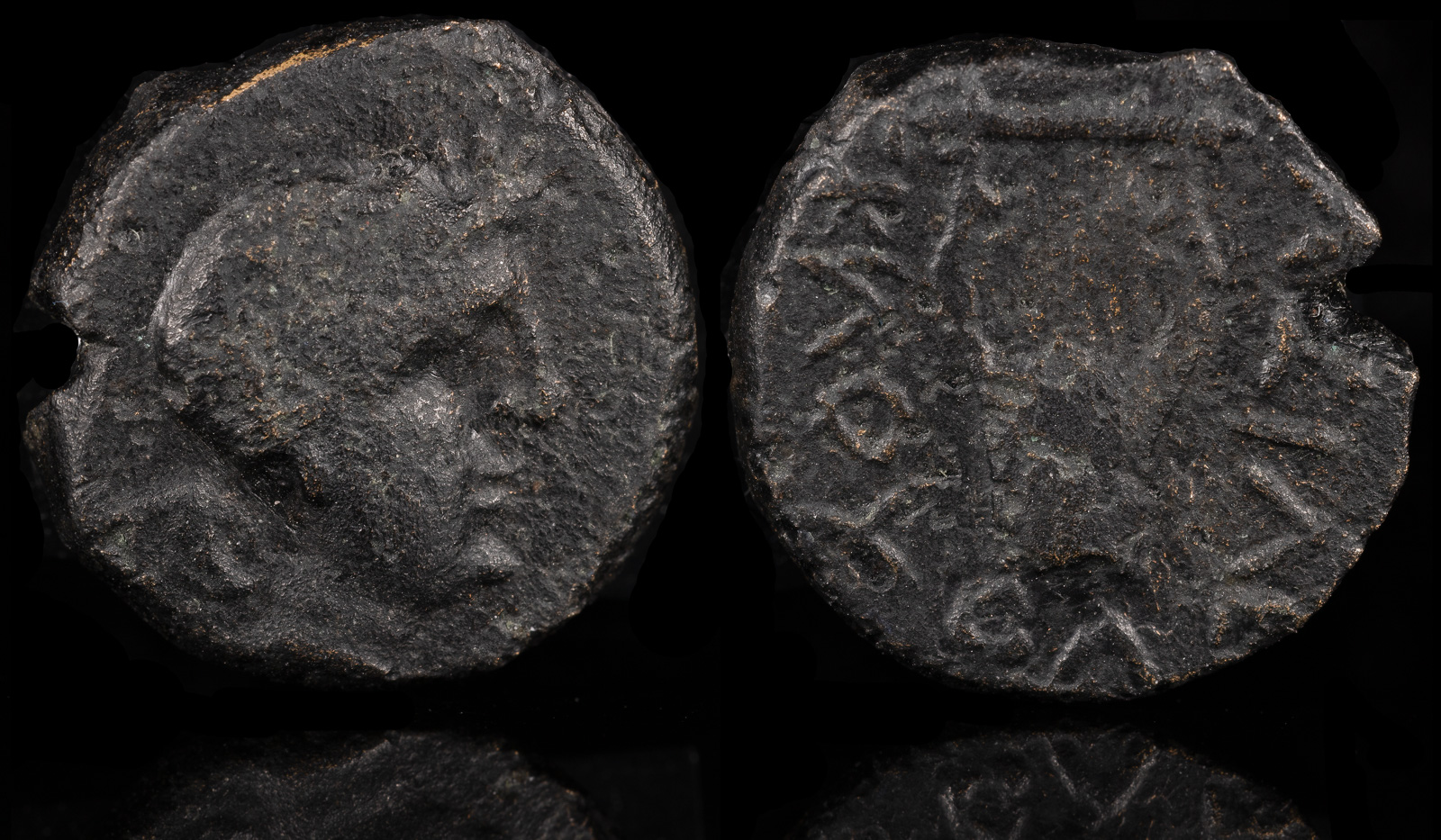
Kings of Scythia. Charaspes
Circa 190-188 BCE
AE 23.26mm 10.2g
Obverse: Jugate heads of the Dioscouri right
Reverse: ΒΑΣΙΛΕΩΣ XAPAΣΠOY / ME, eagle standing right on thunderbolt.
SNG BM Black Sea 350
Ex Marc Breitsprecher
Little is known about many of the Skythian Kings. The area of Skythia itself went from Romania to Afghanistan, though it’s generally believed these Skythian kings resided in Europe.

Kanites, King of Scythia
ca 100 BCE
AE 19mm 5.35g
Head of Dionysos right, wreathed with ivy /
BAΣIΛEΩΣ KANITOY, thyrsos and grape bunch. ΠΛΡ monogram below.
Draganov 29.
Ex N&N Collection
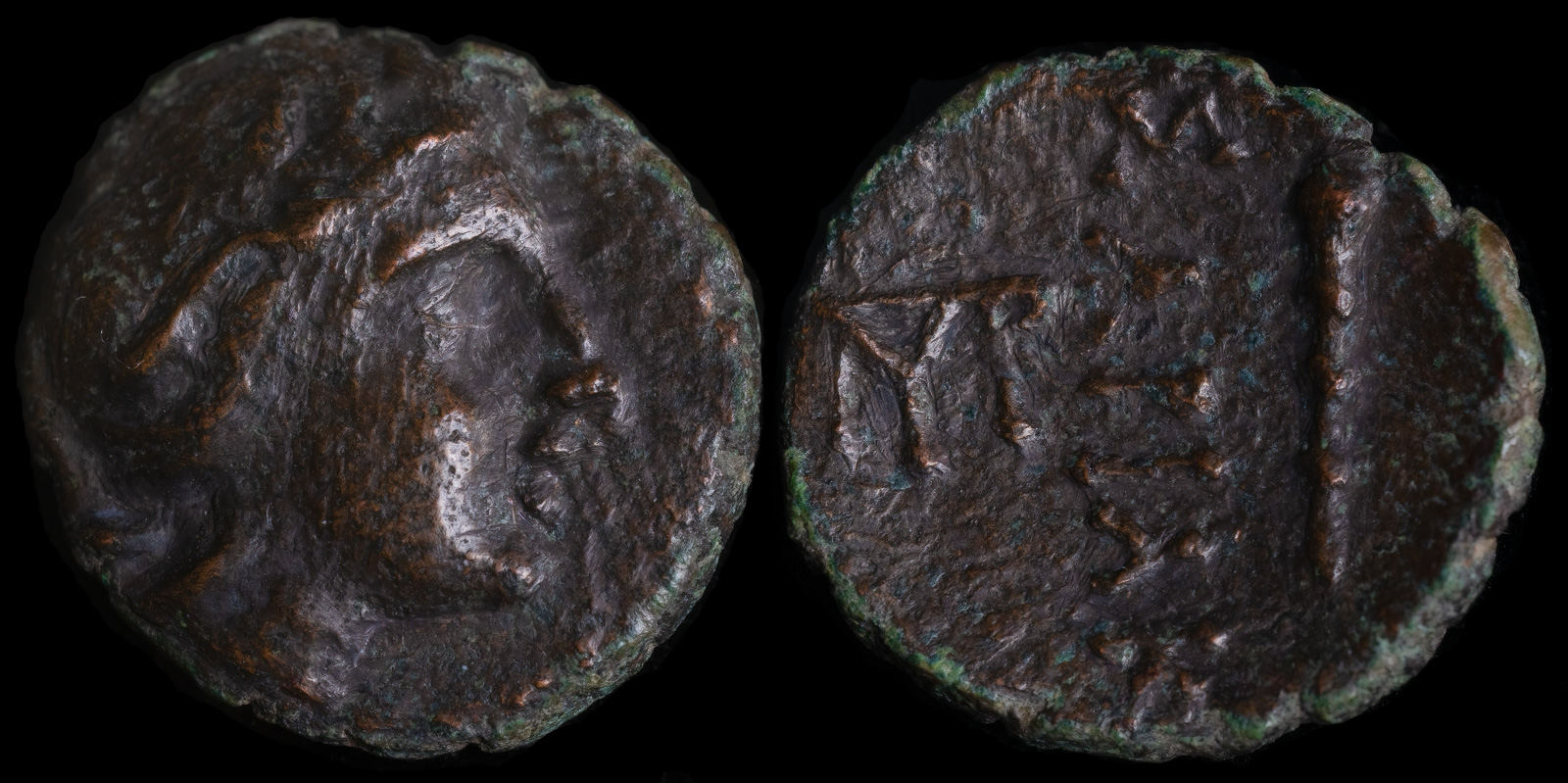
Kings of Skythia, Skilouros
Olbia, circa 130-114/13 BCE
Æ 2.79g, 15mm, 12h.
Laureate head of Apollo to right
/ [Β]ΑΣΙΛΕ[ΩΣ Σ]ΚΙΛΟΥ[PΟΥ], kithara; OΛ below
Frolova, Skilura -; SNG SHM Moskau -; Anokhin (2011), 578 = CNG, Triton XVI, 105; HGC 3.2, 2045
Ex collection of GK
Kings of Skythia, Sariakes
180-167 BCE
AE 11mm 1.09g
Laureate head of Apollo right
Club “SAPIAK” monogram
Draganov 72
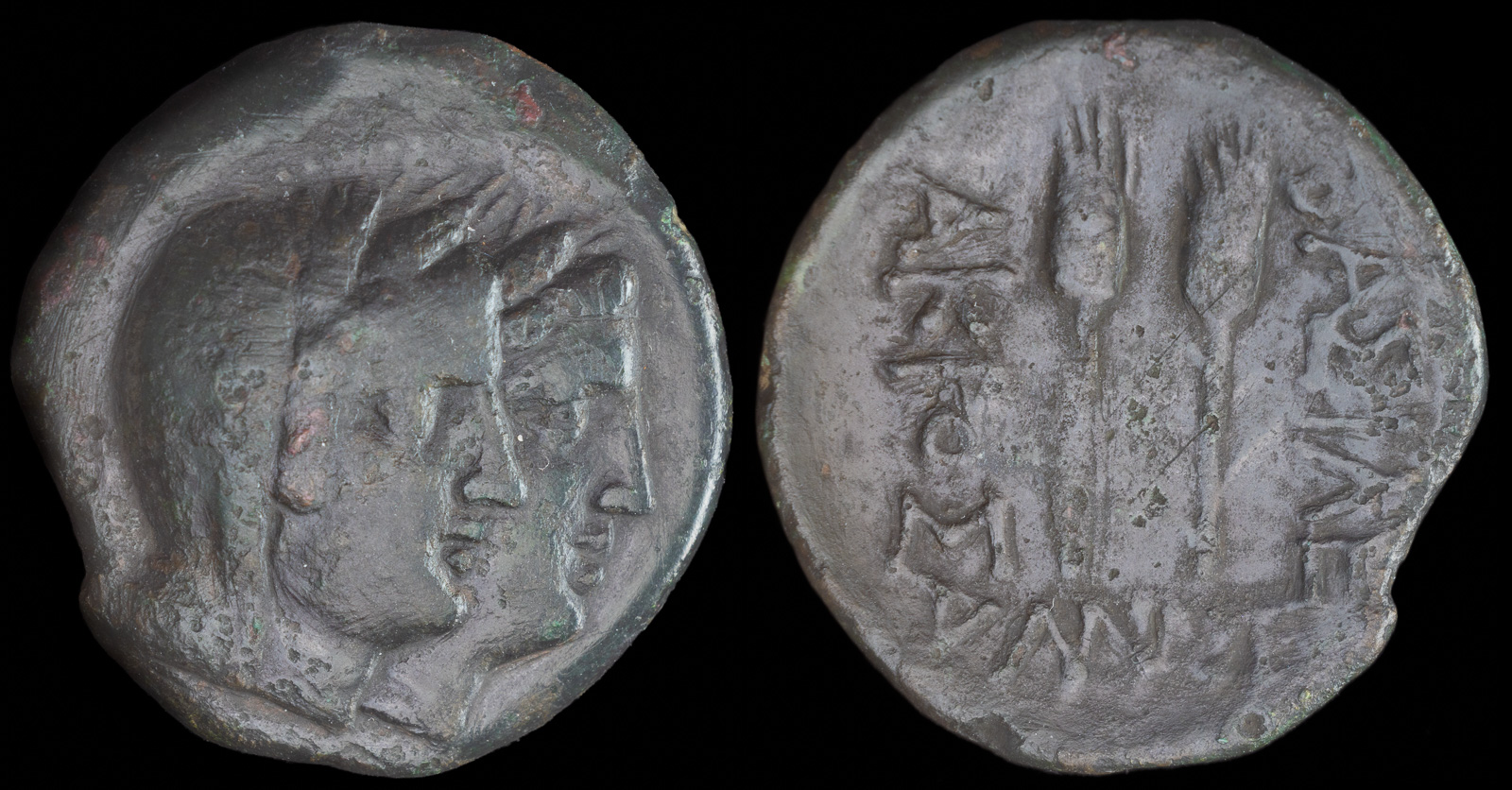
Kings of Skythia, Akrosas
Andre–, magistrate
Circa 195-190 BCE
Æ Trichalkon 22mm, 7.18 g, 12h
Jugate wreathed and veiled heads of Demeter and Persephone right /
Two grain ears.
Draganov, Skythian 428 (O11/R30 – this coin); Peykov G3020; HGC 3, 2015
Ex Skillman Collection
Ex William Veres 2002
Ex William Stancomb Collection
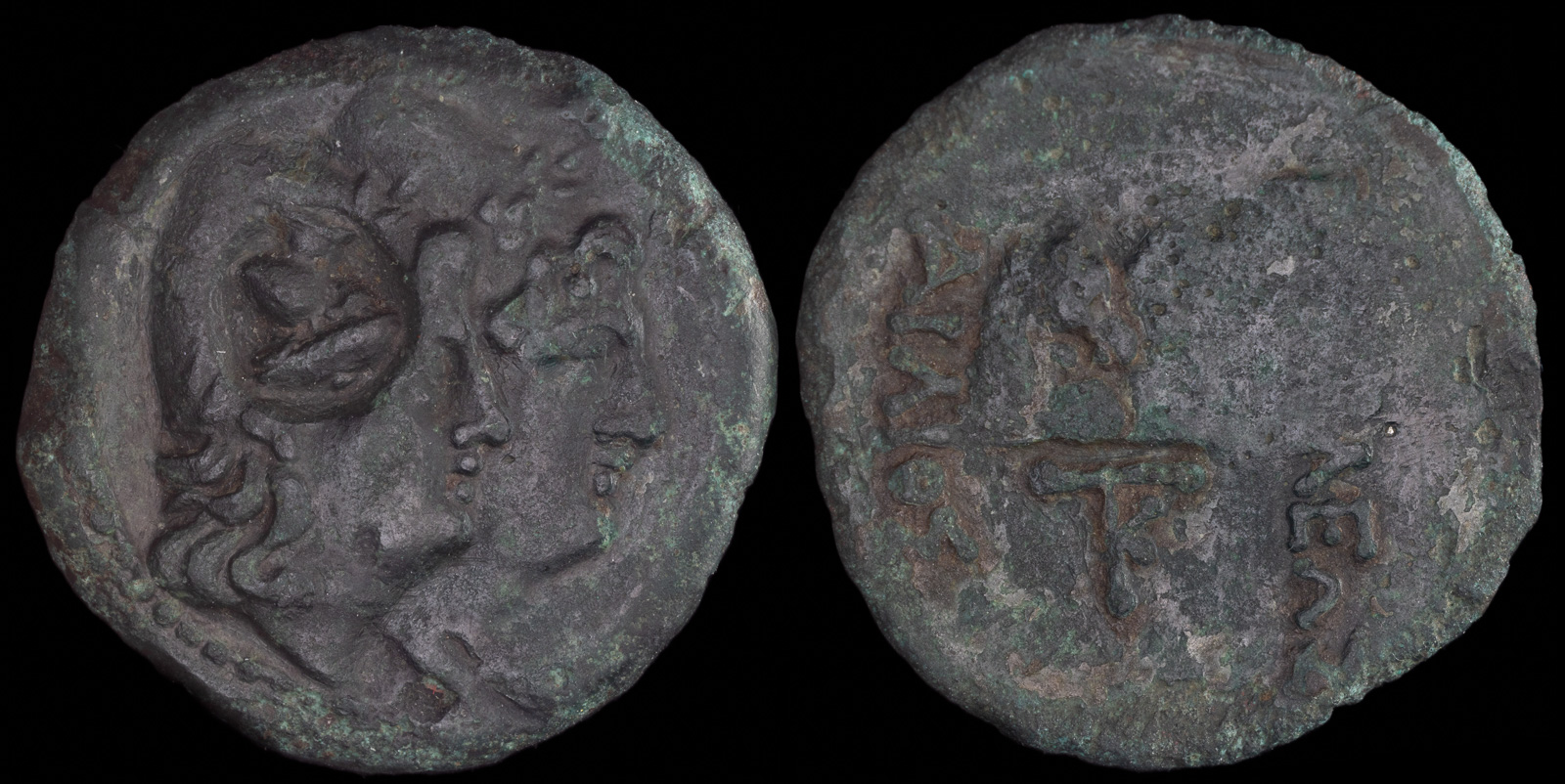
Kings of Skythia, Ailis
2nd century BC
Ae 4.82g 22mm
Obv: Jugate heads of the Dioskouroi right, each wearing laureate piloi; c/m: head of Hermes right.
Rev: ΒΑΣΙΛΕΩΣ / ΑΙΛΙΟΣ. Jugate heads of horses right; monogram below.
Draganov 572-681; HGC 3.2, 2025
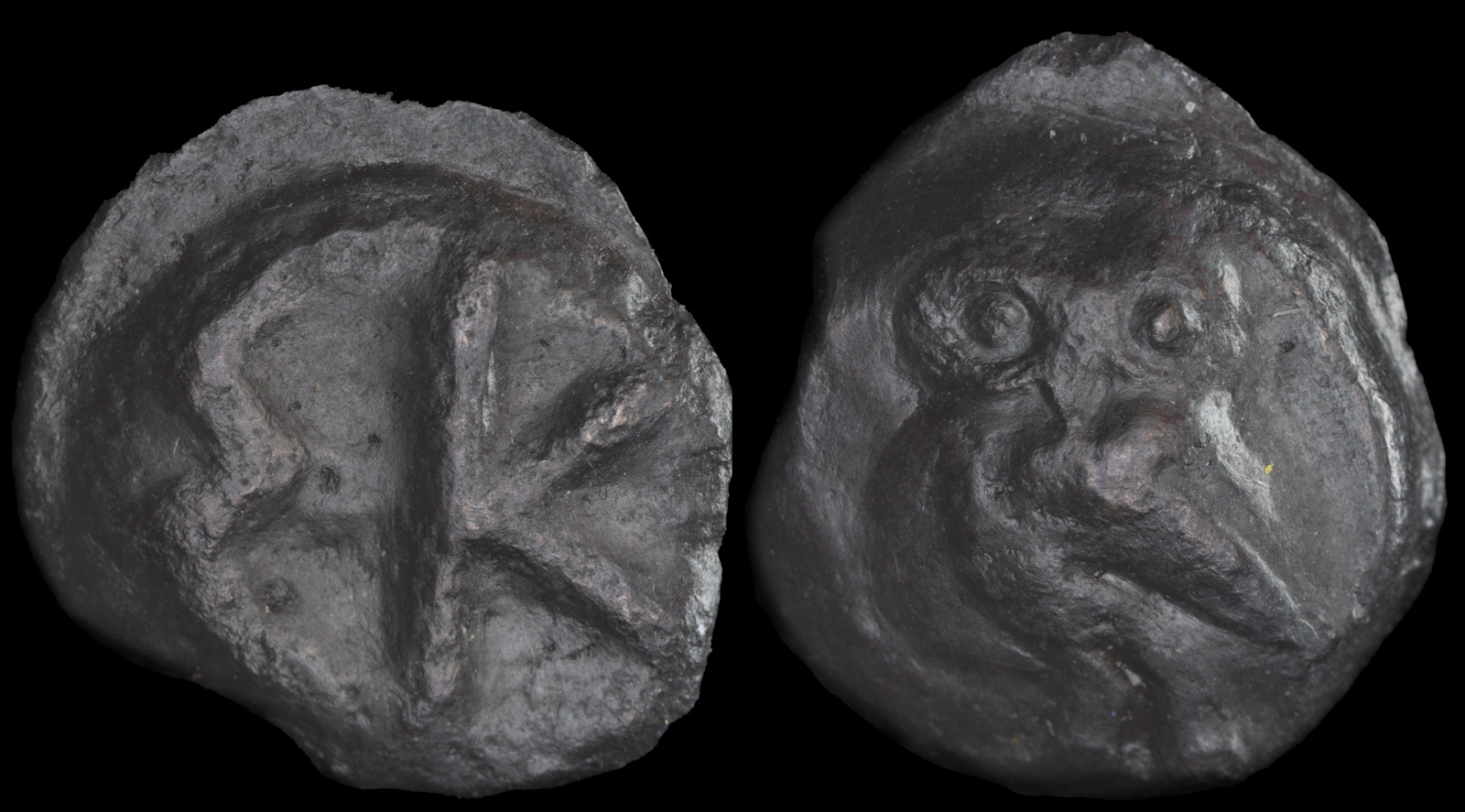
Kings of Skythia, Skyles
Nikonion mint
Circa 465-447/5 BCE
Æ 11mm, 1.67g, 8h
Owl standing left, head facing /
Large ΣK
Peykov G0030; Anokhin 571; HGC 3, –
Skyles is mentioned at length by Herodotus (4.78-4.80).
This man then fared thus badly by reason of foreign customs and communication with Hellenes; and very many years afterwards Skyles the son of Ariapeithes suffered nearly the same fate as he. For Ariapeithes the king of the Scythians with other sons had Skyles born to him: and he was born of a woman who was of Istria, and certainly not a native of Scythia; and this mother taught him the language and letters of Hellas. Afterwards in course of time Ariapeithes was brought to his end by treachery at the hands of Spargapeithes the king of the Agathyrsians, and Skyles succeeded to the kingdom; and he took not only that but also the wife of his father, whose name was Opoia: this Opoia was a native Scythian and from her was born Oricos to Ariapeithes. Now when Skyles was king of the Scythians, he was by no means satisfied with the Scythian manner of life, but was much more inclined towards Hellenic ways because of the training with which he had been brought up, and he used to do somewhat as follows: — When he came with the Scythians in arms to the city of the Borysthenites (now these Borysthenites say that they are of Miletos), — when Skyles came to these, he would leave his band in the suburbs of the city and go himself within the walls and close the gates. After that he would lay aside his Scythian equipments and take Hellenic garments, and wearing them he would go about in the market-place with no guards or any other man accompanying him (and they watched the gates meanwhile, that none of the Scythians might see him wearing this dress): and while in other respects too he adopted Hellenic manners of life, he used also to perform worship to the gods according to the customs of the Hellenes. Then having stayed a month or more than that, he would put on the Scythian dress and depart. This he did many times, and he both built for himself a house in Borysthenes and also took to it a woman of the place as his wife.
Since however it was fated that evil should happen to him, it happened by an occasion of this kind: — he formed a desire to be initiated in the rites of Bacchus-Dionysos, and as he was just about to receive the initiation, there happened a very great portent. He had in the city of the Borysthenites a house of great size and built with large expense, of which also I made mention a little before this, and round it were placed sphinxes and griffins of white stone: on this house Zeus caused a bolt to fall; and the house was altogether burnt down, but Skyles none the less for this completed his initiation. Now the Scythians make the rites of Bacchus a reproach against the Hellenes, for they say that it is not fitting to invent a god like this, who impels men to frenzy. So when Skyles had been initiated into the rites of Bacchus, one of the Borysthenites went off to the Scythians and said: “Whereas ye laugh at us, O Scythians, because we perform the rite of Bacchus and because the god seizes us, now this divinity has seized also your king; and he is both joining in the rite of Bacchus and maddened by the influence of the god. And if ye disbelieve me, follow and I will show you.” The chief men of the Scythians followed him, and the Borysthenite led them secretly into the town and set them upon a tower. So when Skyles passed by with the company of revellers, and the Scythians saw him joining in the rite of Bacchus, they were exceedingly grieved at it, and they went out and declared to the whole band that which they had seen.
After this when Skyles was riding out again to his own abode, the Scythians took his brother Octamasades for their leader, who was a son of the daughter of Teres, and made insurrection against Skyles. He then when he perceived that which was being done to his hurt and for what reason it was being done, fled for refuge to Thrace; and Octamasades being informed of this, proceeded to march upon Thrace. So when he had arrived at the river Ister, the Thracians met him; and as they were about to engage battle, Sitalkes sent a messenger to Octamasades and said: “Why must we make trial of one another in fight? Thou art my sister’s son and thou hast in thy power my brother. Do thou give him back to me, and I will deliver to thee thy brother Skyles: and let us not either of us set our armies in peril, either thou or I.” Thus Sitalkes proposed to him by a herald; for there was with Octamasades a brother of Sitalkes, who had gone into exile for fear of him. And Octamasades agreed to this, and by giving up his own mother’s brother to Sitalkes he received his brother Skyles in exchange: and Sitalkes when he received his brother led him away as a prisoner, but Octamasades cut off the head of Skyles there upon the spot. Thus do the Scythians carefully guard their own customary observances, and such are the penalties which they inflict upon those who acquire foreign customs besides their own.