Lyre
View All Tags
The lyre was closely associated with the god Apollo, the god of music, prophecy, and the arts, who was often depicted playing the instrument. As Apollo was seen as the ideal of harmony and artistic excellence, the lyre became a symbol of divine inspiration and enlightenment. Apollo’s connection to the lyre also extended to his role as the patron of musicians and poets, making the instrument a symbol of both intellectual and artistic endeavors in ancient Greece. The lyre was frequently associated with the idea of harmony—both in terms of music and the harmonious order of the universe itself.
Additionally, the lyre symbolized the educational ideals of ancient Greece. It was often used in educational settings to teach young people the skills of music, poetry, and rhetoric. Lyric poetry, in particular, was performed to the accompaniment of the lyre, and poets like Sappho and Pindar would have recited their works with lyre accompaniment. In this context, the instrument represented not only entertainment but also the cultivation of the intellect and the expression of the highest ideals of Greek culture.
The lyre also held significant religious symbolism. It was often played during religious ceremonies and festivals dedicated to gods like Apollo and Dionysus. In these rituals, the music produced by the lyre was thought to appease the gods, bring about divine favor, and maintain cosmic order. The Pythian Games, which were held in honor of Apollo, featured musical competitions where participants would play the lyre and sing in a demonstration of both musical and poetic skill. These events emphasized the link between artistic prowess and divine approval.
In some myths, the lyre was also associated with healing and the arts of prophecy. Apollo’s musical prowess was said to have the power to heal emotional wounds, and in the Homeric hymns, the lyre is used to soothe and calm the hearts of both mortals and gods alike. This added a layer of symbolism to the lyre, linking it to therapeutic and transformative qualities that went beyond mere entertainment.
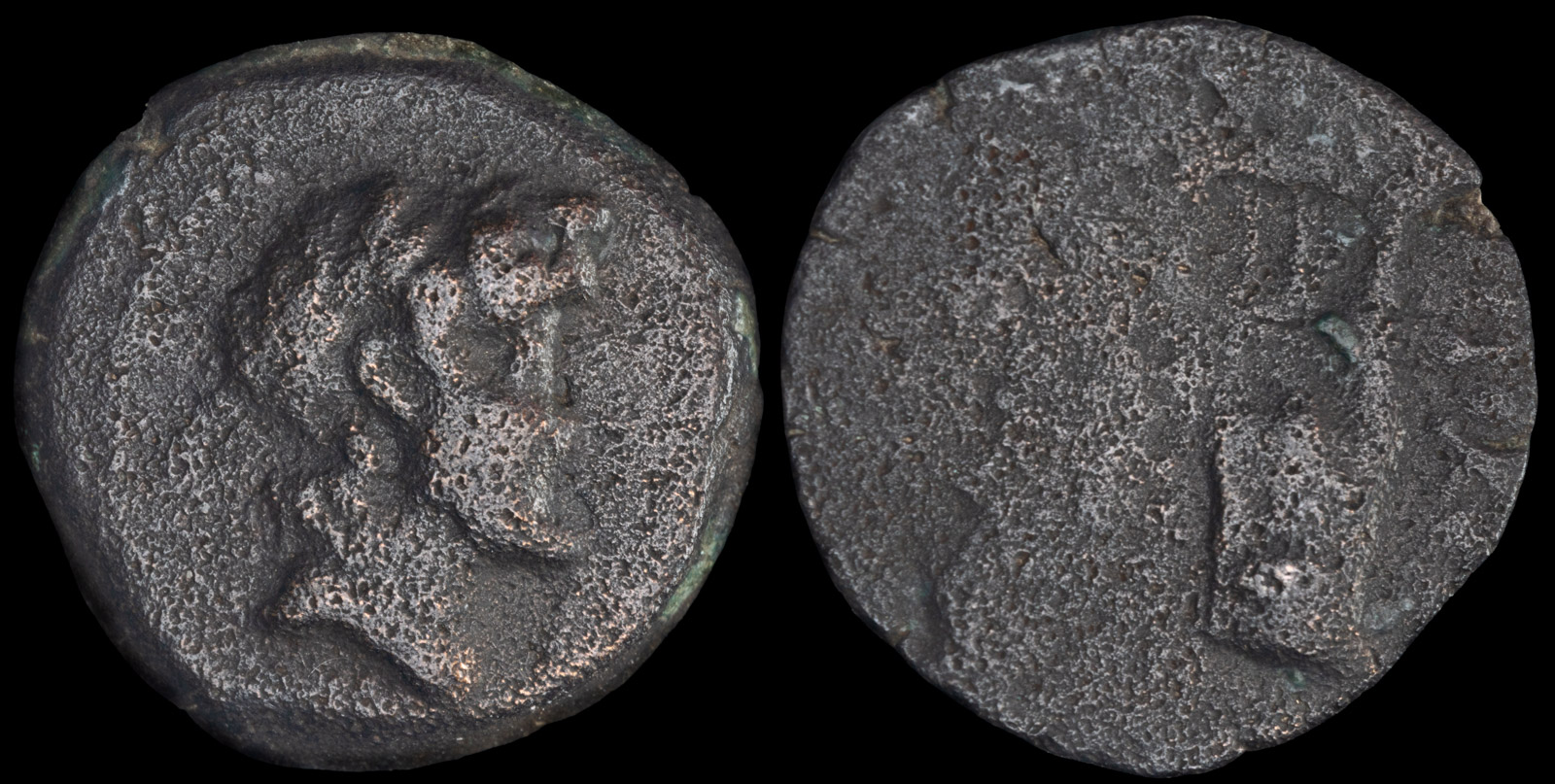
Filter coins

Alabanda, Caria after 168 BCE

Amphaxitis, Macedon ca 300 BCE
Antissa, Lesbos 250-167 BCE
Apollonia, Illyria 2nd-1st centuries BCE
Delos, Cyclades 280-166 BCE
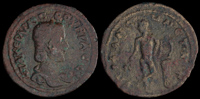
Epiphania, Cilicia 244 CE
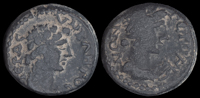
Germe, Mysia 100-150 CE
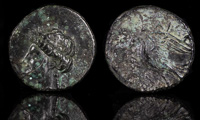
Halikarnassos 4th-3rd Centuries BCE
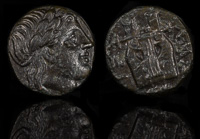
Hamaxitos, Troas 4th century BCE
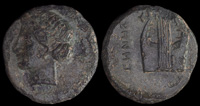
Kolophon, Ionia 330-294 BCE

Kolophon, Ionia ca 88 BCE
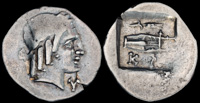
Kragos, Lycia 1st century BCE
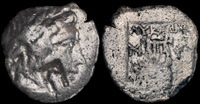
Myra, Lycia 167-81 BCE
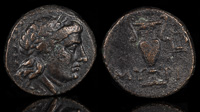
Myrina, Aeolis 4th century BCE
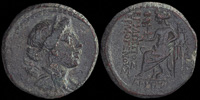
Philadelphia, Lydia 2nd-1st centuries BCE

Polyrhenion, Crete 320-270 BCE

Rhegion, Bruttium 215-150 BCE

Sestos, Thrace ca 300 BCE
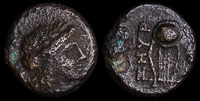
Smyrna, Ionia 350-250 BCE
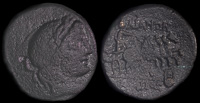
Tralleis, Lydia 300-200 BCE
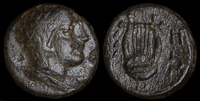
Zone, Thrace 375-350 BCE