Amphora
View All Tags
Symbolically, the amphora holds a significant place in ancient art and culture. In the Greek world, it was often associated with abundance and fertility, as the vessels were used to store essential products that supported daily life, like olive oil and wine, which were staples of the Greek diet and economy. The amphora thus came to symbolize the bountiful gifts of the earth and the importance of agriculture and trade. It also played a role in ritual contexts, as amphorae were used in offerings to the gods, particularly in religious festivals and ceremonies, where their contents—like wine or sacred oils—would be poured out in honor of deities.
In addition to its practical uses, the amphora also had deep artistic and cultural significance. Greek amphorae were often elaborately decorated with painted scenes that depicted mythological stories, athletic events, or daily life. These artworks served not only as a reflection of the culture’s values and beliefs but also as a means of storytelling. For example, the black-figure and red-figure styles of pottery that adorned many amphorae became key methods for illustrating stories from Greek mythology, making the amphora an important medium for preserving and sharing cultural narratives.
In Roman culture, the amphora continued to symbolize the trade and exchange that was central to Roman economic power. Large amphorae, often inscribed with the origin of their contents, were used to transport goods like wine and oil across the empire, highlighting the interconnectedness of Roman territories and the extensive network of trade routes. The amphora, as a symbol of Roman control over distant regions, embodied the empire’s ability to consolidate resources and maintain its dominance through trade.
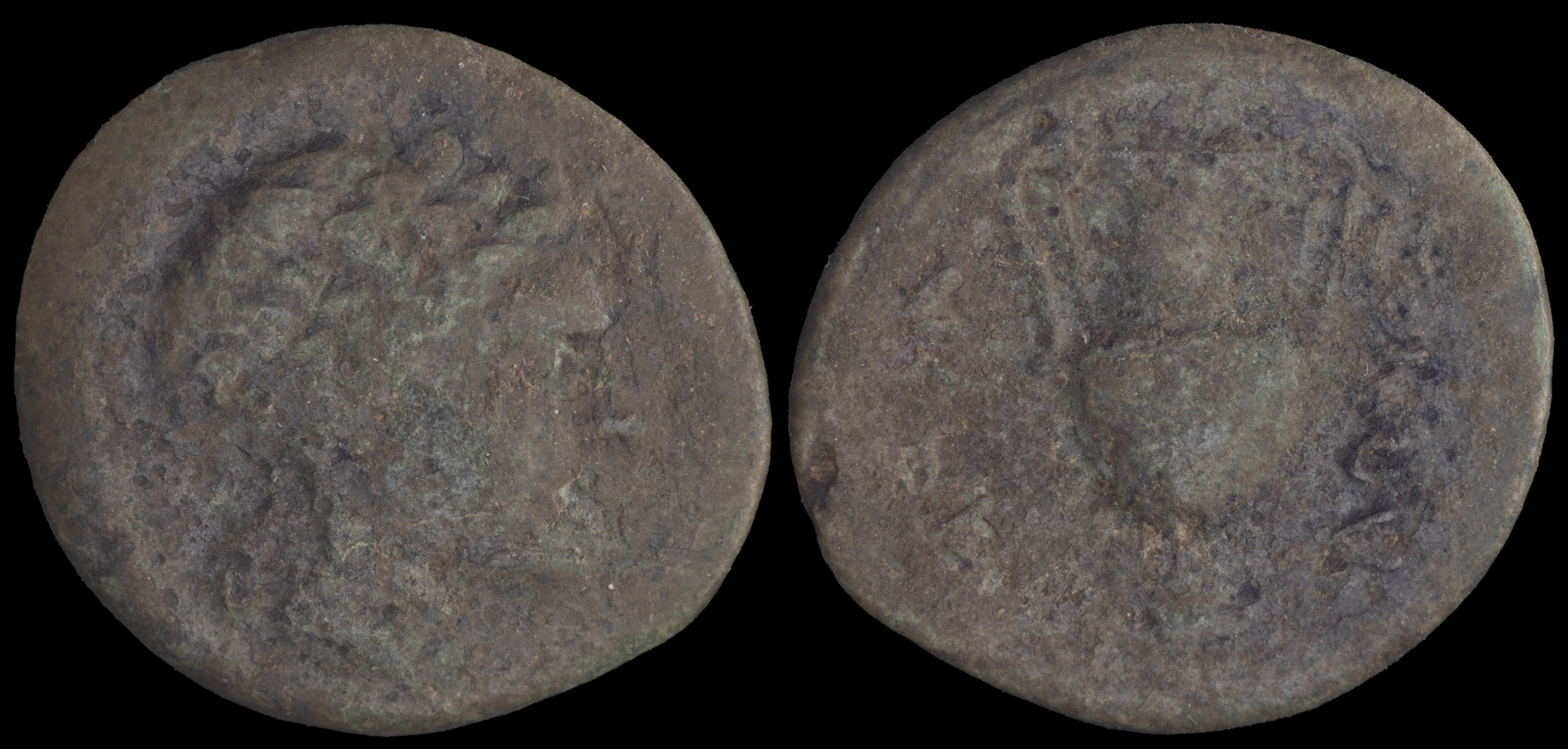
Macedon, Apollonia Chalkidike
Circa 279-200 BCE
AE 5.96g 22.31mm
ÆLaureate head of Apollo right /
Amphora
AMNG III/2, 3; HGC 3, 456 corr. (obv. type)
Filter coins
Apollonia Chalkidike, Macedon 279-200 BCE
Astypalaia 4th century BCE

Athens, Attica 138-180 CE
Athens, Attica 166-57 BCE
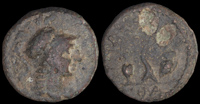
Athens, Attica 264-267 CE
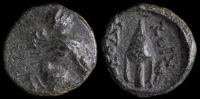
Chios 190-84 BCE
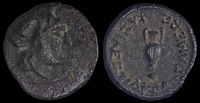
Dixazelmeus 141-139/8 BCE
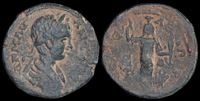
Eleutheropolis, Judaea 198-217 CE
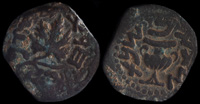
First Jewish Revolt 66-70 CE
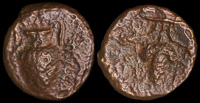
Korkyra, Epeiros 4th cent BCE
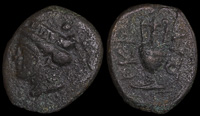
Kromna, Paphlagonia 330-300 BCE
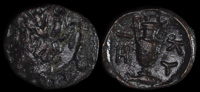
Kyzikos, Mysia 350-300 BCE
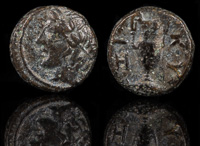
Kyzikos, Mysia 4th century BCE
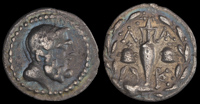
Lakedaimon (Sparta) 145-80s BCE

Lakedaimon (Sparta) ca 48-35 BCE
Larissa Phrikonis, Troas 300 BCE
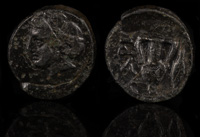
Larissa Phrikonis, Troas 350 BCE
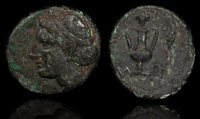
Larissa-Ptolemais 400-300 BCE
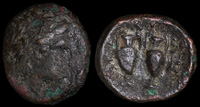
Mende, Macedon 400-350 BCE
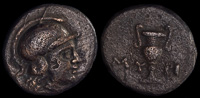
Myrina, Aeolis 400-200 BCE
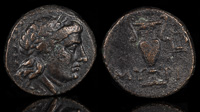
Myrina, Aeolis 4th century BCE

Myrina, Aeolis 4th-3rd century BCE
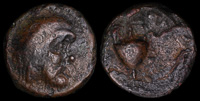
Nagidos, Cilicia 4th century BCE
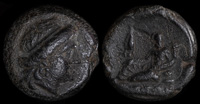
Odessos, Thrace 3rd cent BCE

Parion, Mysia 2nd century BCE
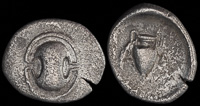
Pharai, Boeotia ca 4th century BCE
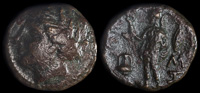
Sestos, Chersonese 300 BCE
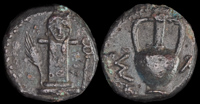
Sestos, Chersonese ca 300 BCE
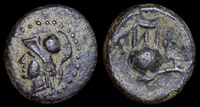
Sestos, Thrace 400-350 BCE

Sestos, Thrace ca 300 BCE

Sestos, Thrace ca 300 BCE
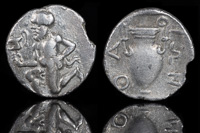
Thasos, Thrace 404-340 BCE
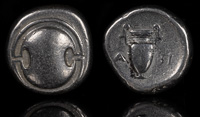
Thebes 368-364 BCE
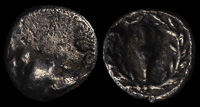
Zakynthos 400-350 BCE