Crescent
View All Tags
In the Greek world, the crescent was closely connected to the lunar goddess Selene, who was often depicted riding a chariot across the night sky. Selene’s connection to the moon gave the crescent a divine association with the feminine, mystical, and celestial realms. The crescent could also symbolize the eternal cycle of life, as the moon’s phases were seen as a reflection of birth, death, and rebirth. For the Greeks, the crescent also had associations with immortality and divine favor, as the moon’s light was thought to imbue life with its rhythms and cycles.
The Roman use of the crescent carried these associations but also developed unique meanings, particularly in the imperial context. The crescent was often used in the iconography of the empress or female deities, emphasizing the connection between the goddess of the moon and the imperial family. In some Roman coins, the crescent was used to symbolize the status and power of women within the imperial system, such as on coins featuring the empress Julia Domna or Livia, where the crescent was sometimes shown as part of their royal regalia. The crescent, therefore, could denote both feminine divinity and imperial strength.
The crescent also had astrological significance and was commonly linked to fortune-telling, as the position and phases of the moon were seen as indicators of events to come. Its presence on coinage could signal good omens or divine favor for the state or ruler. It was sometimes paired with other symbols to emphasize a ruler’s strength or divine support, often as a way to strengthen the legitimacy of a new emperor or the prosperity of a specific reign.
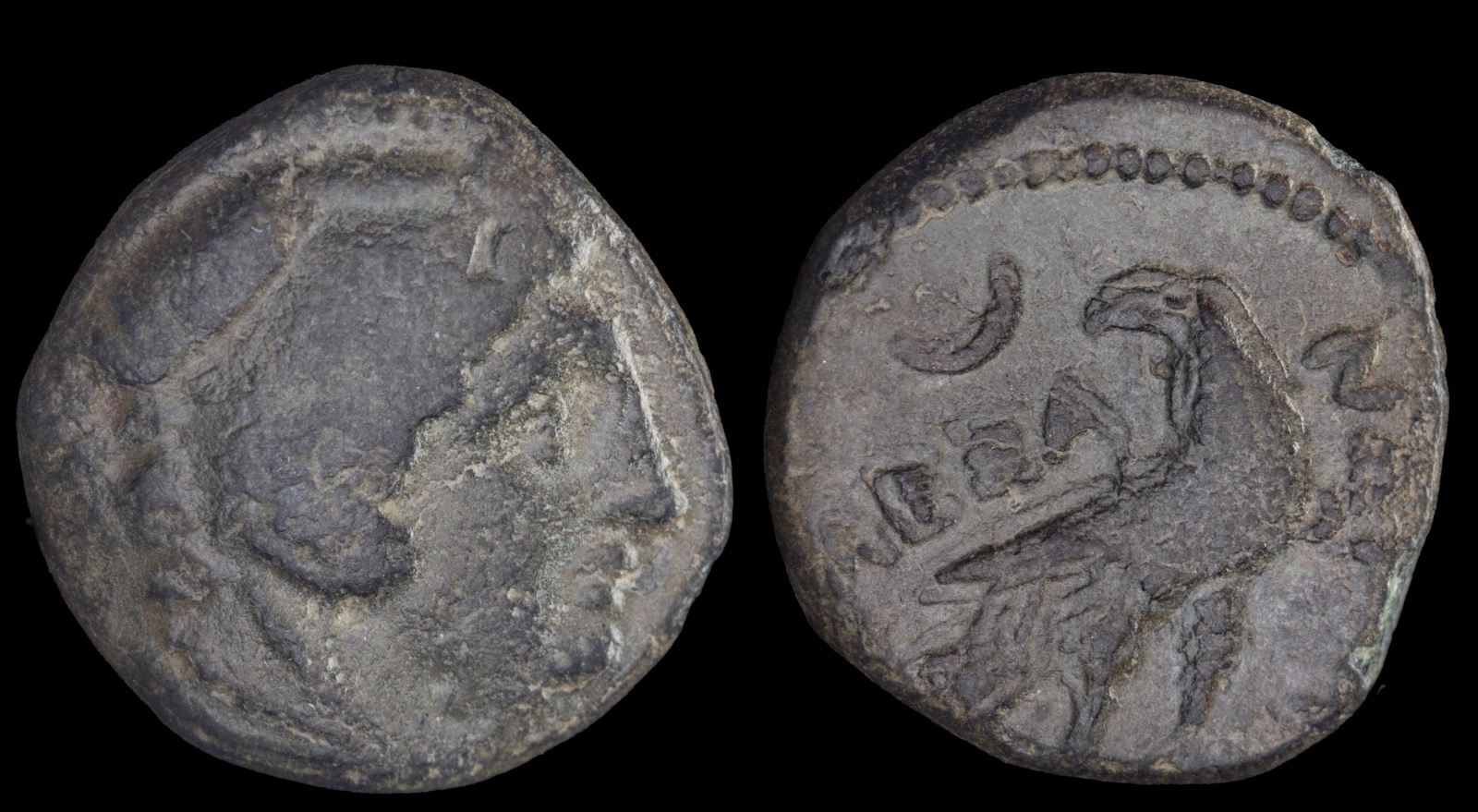
Alexander III ‘the Great’
Amphipolis mint under Antipater 325-323/2 BCE
Ae Half Unit 15mm, 3.0g
Obv: Head of Herakles right wearing lion-skin >p> Rev: AΛEΞA-NΔPOC above and to right of eagle standing right with head left, upwards crescent above
Price 91b
Filter coins
Alexander III 325-323 BCE
Antioch, Pisidia 100-27 BCE
Ariobarzanes III 52-42 BCE
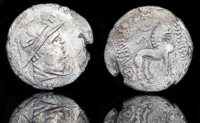
Arsiles 1st century BCE
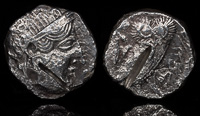
Ataxerxes III Okhos 343-337 BCE
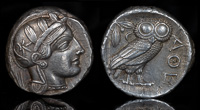
Athens 454-404 BCE

Athens, Attica 87/6 BCE
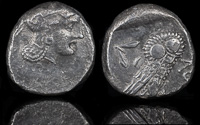
Batis of Gaza 353-333 BCE
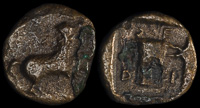
Bizye, Thrace 405-387 BCE
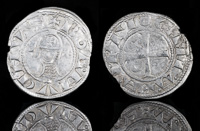
Bohémond III 1163-1201 CE
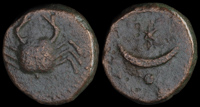
Carrhae, Mesopatamia 138-192 CE

Castulo, Ibera ca 180 BCE
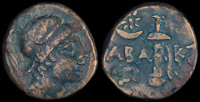
Chabacta, Pontos 100-85 BCE
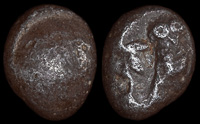
Edom 4th century BCE
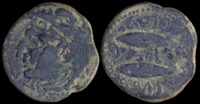
Gades, Iberia ca 2nd century BCE
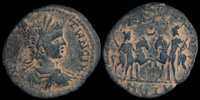
Gythium, Lakonia 197-217 CE
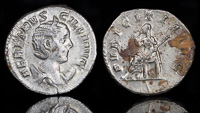
Herennia Etruscilla 250 CE
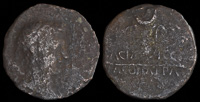
Juba II w/ Kleopatra Selene 8-15 CE
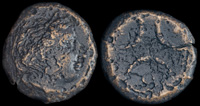
Kroton, Bruttium 300-250 BCE
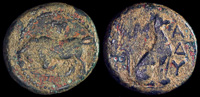
Madytos, Thrace 350-300 BCE
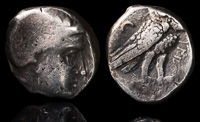
Mazakes 331-323 BCE
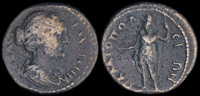
Palaeopolis, Lycia
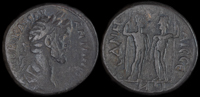
Pednelissos, Pisidia 138-161 CE

Pednelissos, Pisidia 193-211 CE
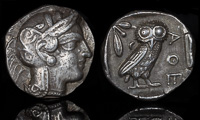
Pharaonic Kingdom 5th-mid 4th Cen BCE
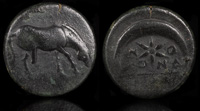
Pharkadon, Thessaly 400-350 BCE
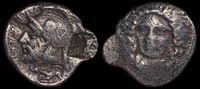
Pharnabazos 379-374 BCE
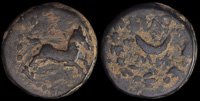
Philomelion, Phrygia Early 1st Century CE
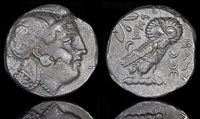
Sabakes 340-333 BCE
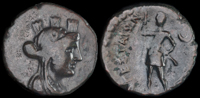
Segesta, Sicily ca 210-mid 1st century BCE
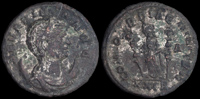
Severina 275 CE
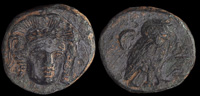
Sigeion, Troas 355-334 BCE
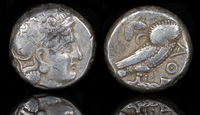
Sophytes 323-240 BCE
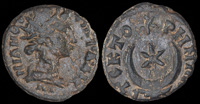
Stektorion, Phrygia 161-169 CE
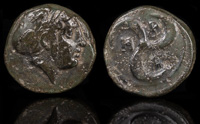
Thebe, Mysia 300-200 BCE
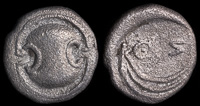
Thespiai, Boeotia 390-350 BCE
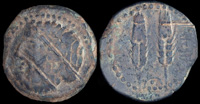
Tingi, Mauretania 2nd-1st centuries BCE
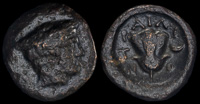
Tragilos, Macedon 400-380 BCE
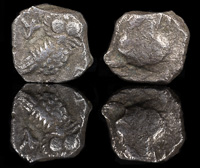
Yehud 375-332 BCE