Forepart
View All Tags
The horse was frequently associated with nobility, military prowess, and heroism in ancient Greek culture. By focusing on the head or forepart of the horse, Greek mintmasters could emphasize the animal’s grandeur and vitality without needing to show the entire body. The head, particularly with the mane and eyes, could symbolize the horse’s dynamic energy and its crucial role in warfare, chariot racing, and transportation. The partial depiction of the horse, with its powerful, forward-leaning posture, communicated movement and action, aligning with the ideas of conquest and victory that were often celebrated on coins. Horses were often associated with deities like Poseidon and Apollo, further reinforcing their symbolic importance. The forepart of the horse captured the essence of these attributes in a concise and impactful way.
Similarly, the depiction of only the forepart of bulls on Greek coins served specific symbolic purposes. Bulls, which represented fertility, strength, and agriculture, were frequently used to convey the abundance and prosperity of a city-state. By focusing on the head and neck of the bull, artists highlighted the animal’s muscular strength and fertility, qualities that were often closely tied to agricultural success and the prosperity of a community. The head of the bull, particularly with its horns, could also symbolize fertility and the reproductive potential of the land. This was especially significant in agricultural regions where the bull was integral to farming and the animal husbandry practices that were central to the economy
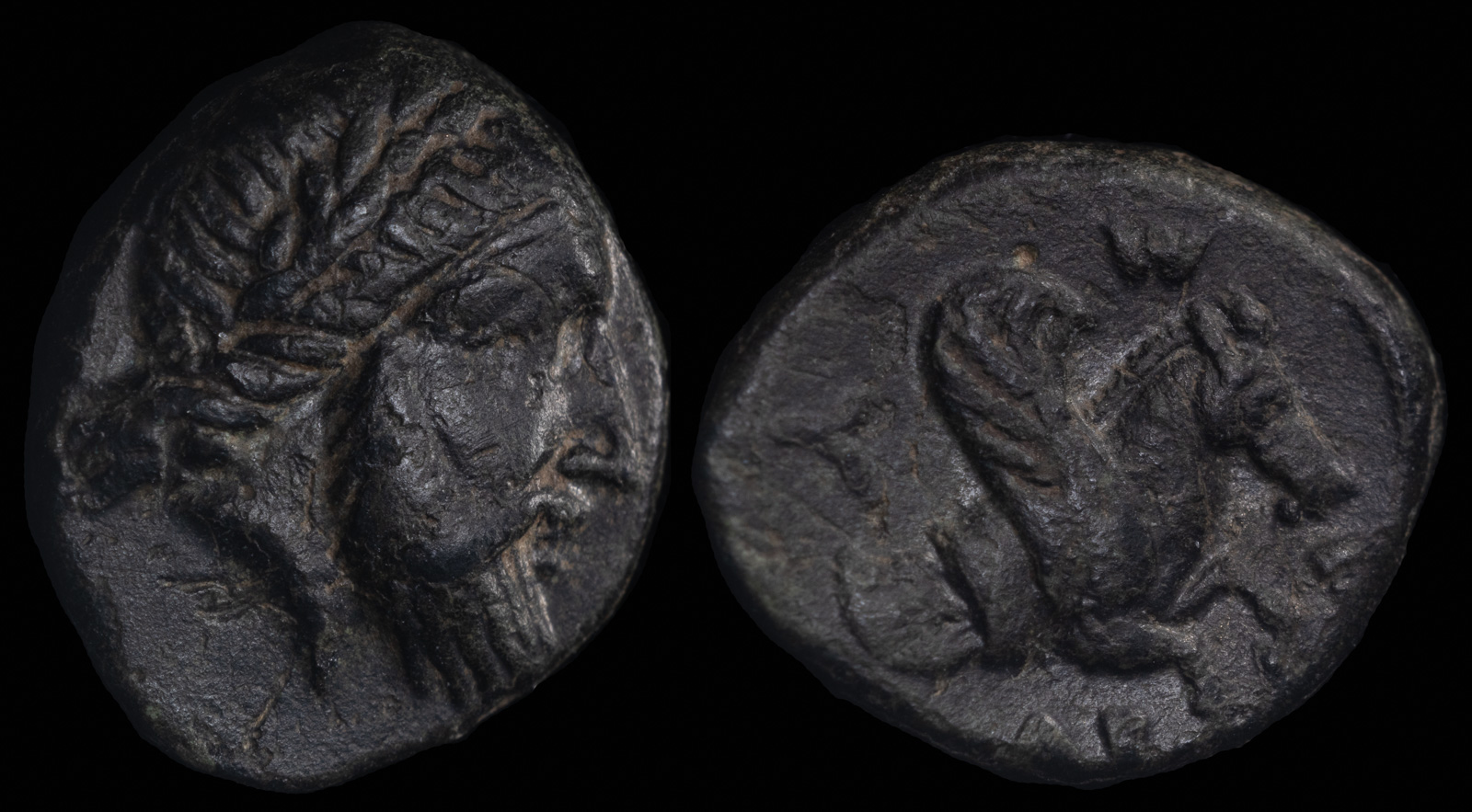
Adramytion, Mysia
360 – 340 BCE
Ae 12mm, 1.7gms
Obv: Laureate head of Zeus right
Rev: Forepart of Pegasos right; ADPAMY around
Klein 246
Filter coins
Adramytion, Mysia 360-340 BCE
Aegira, Achaia 369-330 BCE
Baktria 4th century BCE
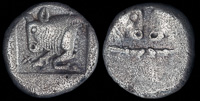
Chersonesos, Caria 480-450 BCE
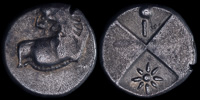
Chersonesos, Thrace 386-338 BCE
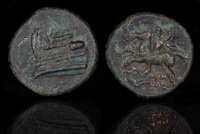
Demetrios Poliorketes 300 BCE
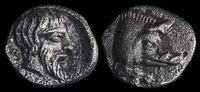
Euromos, Caria 400-350 BCE
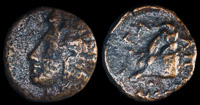
Galepsos, Macedon 400-380 BCE
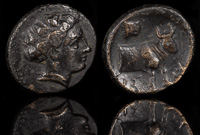
Histaia, Euboia 338-304 BCE

Hyssaldomos, Dynast of Mylasa 395-392 BCE
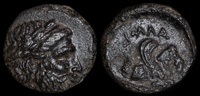
Iolla, Mysia 400-300 BCE
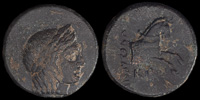
Ionia, Kolophon 330-285 BCE
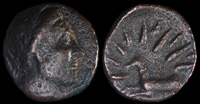
Ioulis, Keos, Cyclades 3rd-2nd century BCE
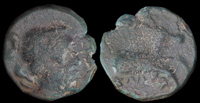
Kalynda, Lycia 2nd-1st centuries BCE
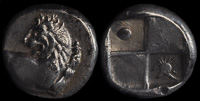
Kardia, Chersonesos 357-320 BCE
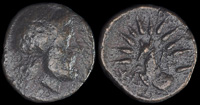
Karthaia, Keos, Cyclades 3rd-2nd centuries BCE
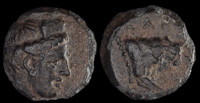
Karyanda, Caria 4th Century BCE
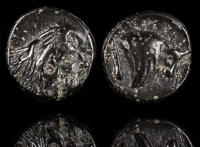
Karystos 350 BCE
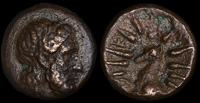
Kea, Cyclades 4th-3rd centuries BCE
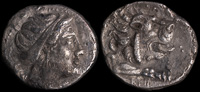
Knidos, Caria 350-320 BCE
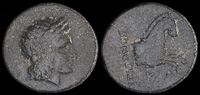
Kolophon 285-190 BCE
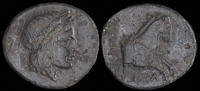
Kolophon 330-285 BCE
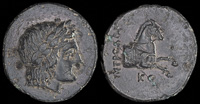
Kolophon 4th century BCE
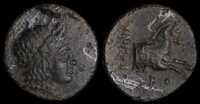
Kolophon, Ionia 330-285 BCE
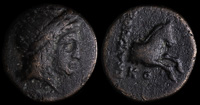
Kolophon, Ionia 330-285 BCE
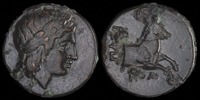
Kolophon, Ionia 330-285 BCE

Kolophon, Ionia 330-285 BCE

Kolophon, Ionia 330-285 BCE
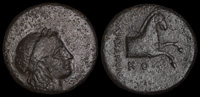
Kolophon, Ionia 360-330 BCE
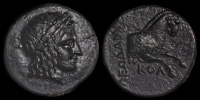
Kolophon, Ionia 360-330 BCE
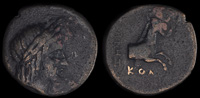
Kolophon, Ionia 360-330 BCE
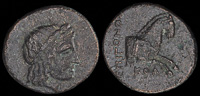
Kolophon, Ionia 360-330 BCE

Kyme, Aeolis 160-90 BCE
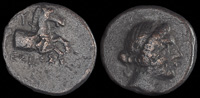
Kyme, Aeolis 250-190 BCE
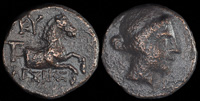
Kyme, Aeolis 250-190 BCE
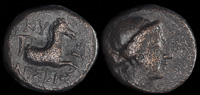
Kyme, Aeolis 250-190 BCE

Kyme, Aeolis 250-190 BCE

Kyme, Aeolis 250-200 BCE

Kyme, Aeolis 320-250 BCE

Kyme, Aeolis 320-250 BCE

Kyme, Aeolis ca 300-250 BCE

Kyme, Aeolis ca 300-250 BCE

Kyme, Aeolis ca 350-250 BCE

Kyme, Aeolis ca 350-250 BCE

Kyme, Aeolis ca 350-250 BCE

Kyme, Aeolis ca 350-250 BCE
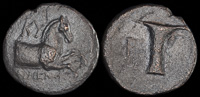
Kyme, Aoelis 350-250 BCE
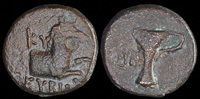
Kyme, Aoelis 350-250 BCE
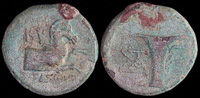
Kyme, Aoelis 350-250 BCE
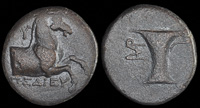
Kyme, Aoelis 350-250 BCE

Kyme, Aolis 350-250 BCE

Kyme, Aolis 350-250 BCE

Kyme, Aolis 350-250 BCE
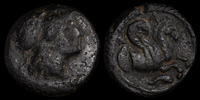
Lampsakos, Mysia 350-250 BCE
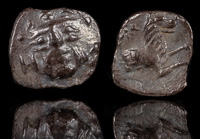
Laranda (Lykaonia) 324/323 BCE
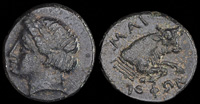
Magnesia ad Maeandrum 350-200 BCE
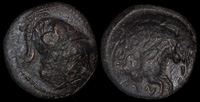
Orthe, Thessaly 4th-3rd cent BCE
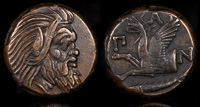
Pantikapaion 325-310 BCE
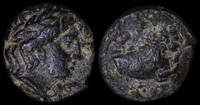
Phagres, Macedon 400-350 BCE
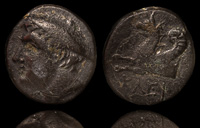
Phokaia, Ionia 350-300 BCE
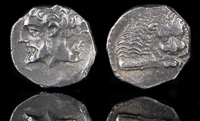
Samaria 375-333 BCE
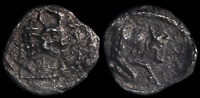
Samaria 375-333 BCE
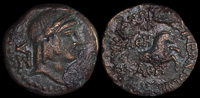
Seleukeia ad Kalykadnon 200-0 BCE
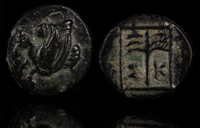
Skepsis, Troas 400-310 BCE
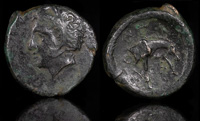
Skotussa, Thessaly 4th cent BCE
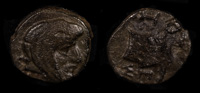
Spithridates 334 BCE
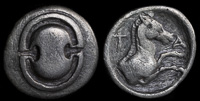
Tanagra, Boeotia 4th century BCE
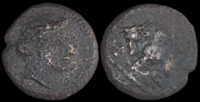
Tauromenion, Sicily 317-275 BCE
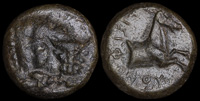
Teisiphon
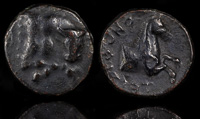
Teisiphon, Pherai 359-353 BCE
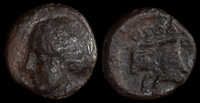
Theodosia, Bosporos 360-300 BCE