Helmet
View All Tags
One of the earliest and most iconic types of Greek helmets was the Corinthian helmet, which became popular in the 6th century BCE. This helmet, named after the city of Corinth, was known for its full-face coverage, with only small openings for the eyes and mouth. It provided exceptional protection for the head and face, which was crucial in hand-to-hand combat, especially during the Phalanx formation. The Corinthian helmet was often elaborately designed, made of bronze, and had a distinct appearance, with a pronounced nose guard and a crest that ran from the front to the back of the helmet. Its heavy construction, however, limited vision and hearing, which made it less practical for certain types of warfare and led to modifications in later designs.
In contrast, the Attic helmet, which emerged around the 5th century BCE, was designed for improved visibility and comfort. It had a simpler, more open-faced structure compared to the Corinthian helmet, with a raised ridge that protected the top of the head and flared cheek guards that shielded the sides of the face while allowing for greater peripheral vision and better hearing. The Attic helmet was lighter and more practical for the close-quarters combat of hoplite soldiers. It was widely used during the Peloponnesian War and was often made of bronze or iron. The Attic helmet’s design influenced later helmets in both Greek and Roman warfare.
Another type of helmet used by the ancient Greeks was the Phrygian helmet, which was influenced by the peoples of Asia Minor and became popular in the 4th century BCE. This helmet featured a pointed or cone-shaped design, resembling the Phrygian cap worn by people in the eastern Mediterranean. It had a distinctive crest that sloped backward, providing both protection and an intimidating appearance. The Phrygian helmet was made from metal or leather and was often decorated with a plume or a crest. Its design was lighter than the Corinthian helmet, offering better comfort and mobility while still providing adequate protection for the head.
During the later Hellenistic period, the Greeks also adopted various forms of the Krepis and helmet types seen in the armies of Alexander the Great, which were influenced by encounters with other cultures. The Hellenistic helmets were often more streamlined and less bulky, reflecting a shift towards greater flexibility and adaptability in battle. These helmets frequently included a brow guard and were sometimes equipped with additional protection for the neck and shoulders, showcasing a trend toward more ergonomic designs suited for both heavy and light infantry.
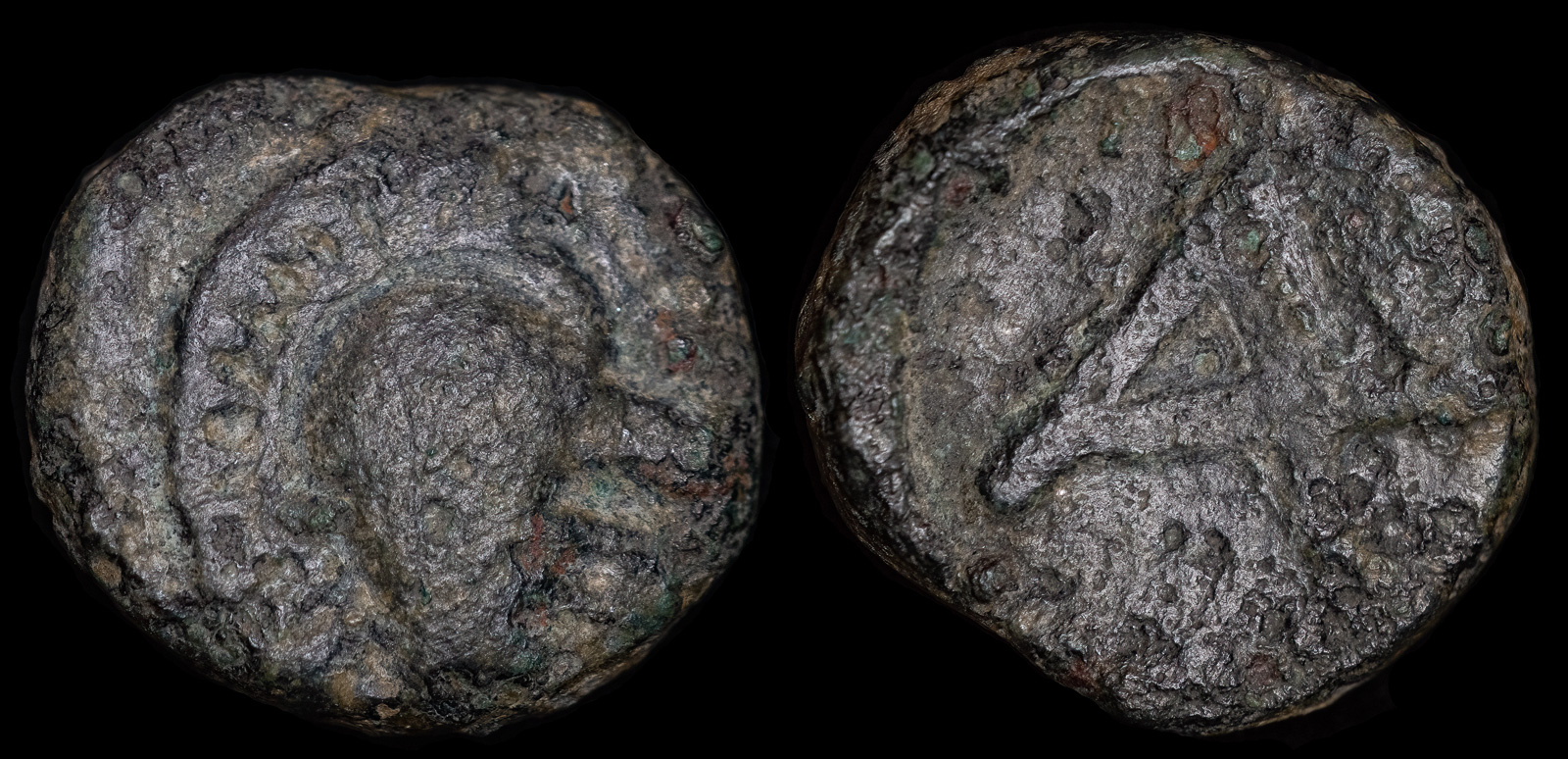
Troas. Achilleion/Achaion
circa 350-300 BCE
Æ 10 mm, 0,97 g
Crested helmet left
Civic monogram
SNG Ashmolean –; SNG Copenhagen 64
Filter coins
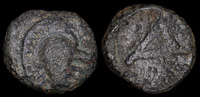
Achilleion, Troas 350-300 BCE

Aetolian League 205-150 BCE

Ainianes, Thessaly 3rd-2nd centuries BCE
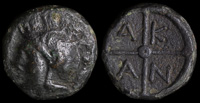
Akanthos, Macedon 400-358 BCE

Akanthos, Macedon 400-358 BCE

Akanthos, Macedon 400-358 BCE

Akanthos, Macedon 400-358 BCE
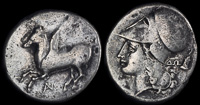
Anaktorion, Akarnania 350-300 BCE
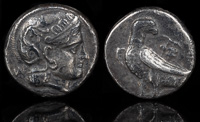
Andragoras 246-238 BCE
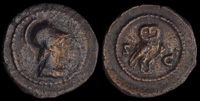
Anonymous Quadrans 81-161 CE
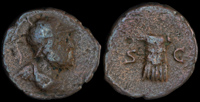
Anonymous, Quadrans 81-161 CE
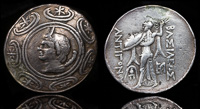
Antigonos II Gonatas 277-239 BCE
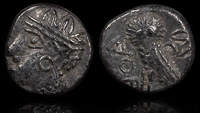
Arabia 5th-3rd centuries BCE
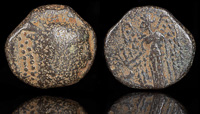
Aretas II 129-104 BCE
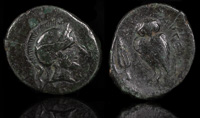
Argos Amphilochikon, Akarnania 300-200 BCE
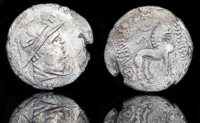
Arsiles 1st century BCE

Asander at Kaunos 323-319 BCE
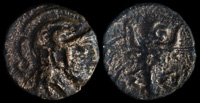
Assos, Troas 350-300 BCE
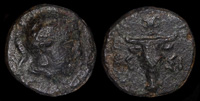
Assos, Troas 400-241 BCE
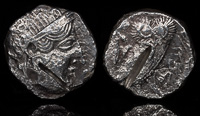
Ataxerxes III Okhos 343-337 BCE
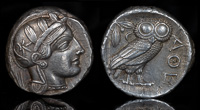
Athens 454-404 BCE

Athens ca 150 Ce
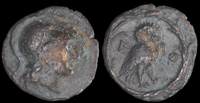
Athens, Attica 130-90 BCE

Athens, Attica 196-190 BCE
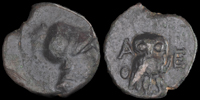
Athens, Attica 224-198 BCE

Athens, Attica 229-197 BCE

Athens, Attica 253-268 CE
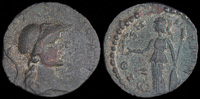
Athens, Attica 264-267 CE
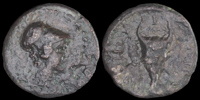
Athens, Attica 264-267 CE
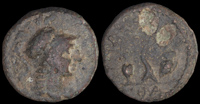
Athens, Attica 264-267 CE
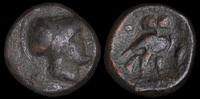
Athens, Attica 270-261 BCE

Athens, Attica 284-275 BCE

Athens, Attica 297-255 BCE
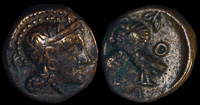
Athens, Attica 307-300 BCE
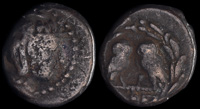
Athens, Attica 322/17-307 BCE
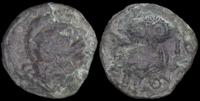
Athens, Attica 322-307 BCE

Athens, Attica 322-307 BCE
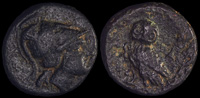
Athens, Attica 340-322 BCE
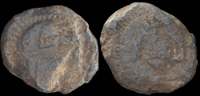
Athens, Attica 4th century BCE

Athens, Attica 87/6 BCE

Athens, Attica 99-98 BCE

Athens, Attica ca 120-150 CE
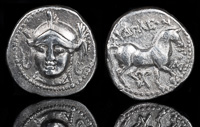
Audoleon 315-28 BCE
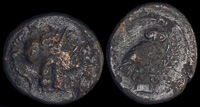
Azetium, Apulia 300-275 BCE
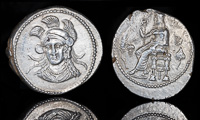
Balakros 333-323 BCE
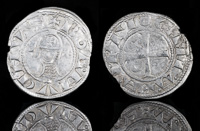
Bohémond III 1163-1201 CE
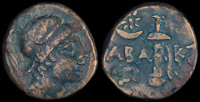
Chabacta, Pontos 100-85 BCE
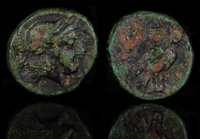
Chares 350 BCE
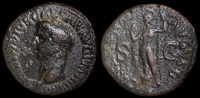
Claudius 41-54 CE
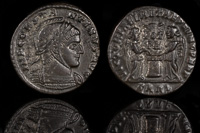
Constantine the Great 319 CE
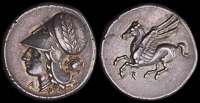
Corinth 350-306 BCE

Demetrios I Poliorketes 290-283 BCE

Demetrios II Aetolikos 239-229 BCE
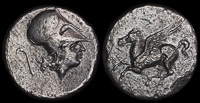
Echinos 345-300 BCE
Eleutheria, Mysia 4th century BCE
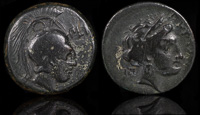
Gyrton, Thessaly 340-320 BCE
Hananiyah 375-333 BCE
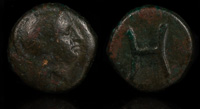
Heraia, Peloponnese 370-350 BCE
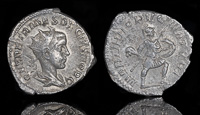
Herennius Etruscus 250-251 CE
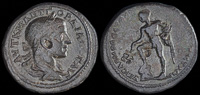
Hermes of Olympia 238-244 CE
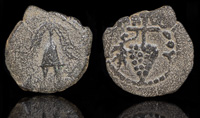
Herod II Archelaos 4 BCE – 6 CE
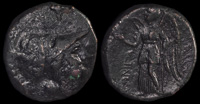
Hipponion, Bruttium 3rd century BCE
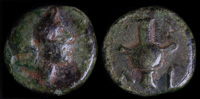
Ilion, Troas 301-281 BCE
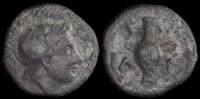
Ilion, Troas 301-281 BCE
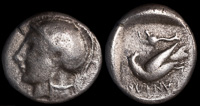
Itanos, Crete 320-280 BCE

Itanos, Crete 350-320 BCE
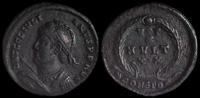
Julian II The Apostate 361-363 CE
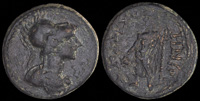
Kadoi, Phrygia 1st century BCE
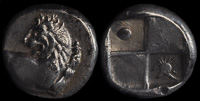
Kardia, Chersonesos 357-320 BCE
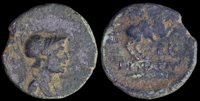
Kibyra, Phrygia 167/66 BCE
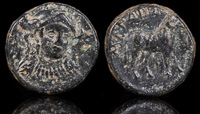
Klazomenai, Ionia 4th century BCE
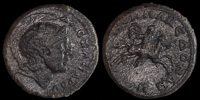
Koinon of Macedon 222-235 CE
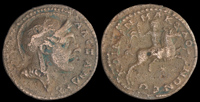
Koinon of Macedon 222-235 CE

Koinon of Macedon 222-235 CE

Koinon of Macedon 222-235 CE
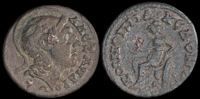
Koinon of Macedon 222-235 CE
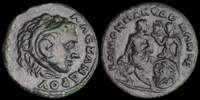
Koinon of Macedon 231-235 CE
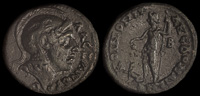
Koinon of Macedon 238-244 CE

Koinon of Macedon 238-244 CE

Koinon of Macedon 238-244 CE
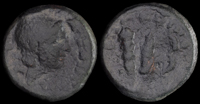
Koinon of Macedon 238-244 CE
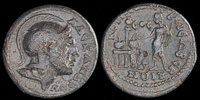
Koinon of Macedon 244 CE
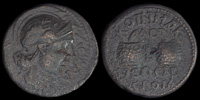
Koinon of Macedon 244-249 CE
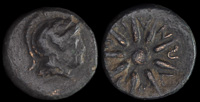
Kolone, Troas 4th century BCE
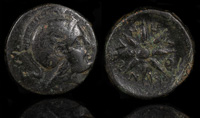
Kolone, Troas 4th Century BCE
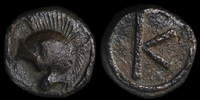
Kranion, Kephallenia 4th century BCE
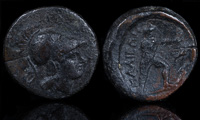
Lamia, Thessaly 325-300 BCE
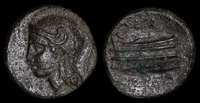
Lebedo-Ptolemais, Ionia 375-350 BCE
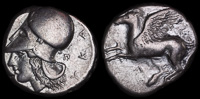
Leukas, Akarnania 375-350 BCE
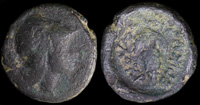
Lokris Epiknemidia 338-300 BCE
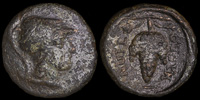
Lokris Opuntii 351-338 BCE
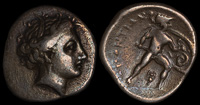
Lokris Opuntti 369-338 BCE
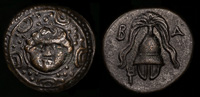
Macedonian Interregnum 288-277 BCE
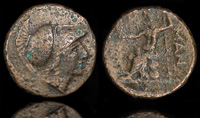
Mantineia, Arkadia 370-240 BCE
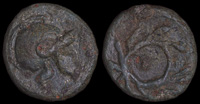
Maroneia 290-282 BCE
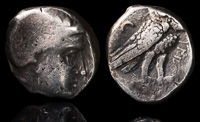
Mazakes 331-323 BCE
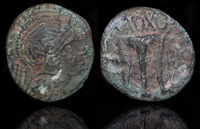
Medeon, Akarnanai 300-250 BCE
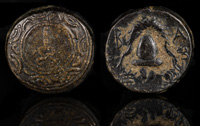
Menander/Kleitos (White) 323-319 BCE
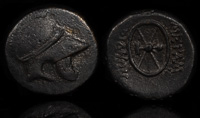
Mesembria, Thrace 3rd century BCE
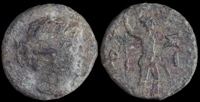
Methana (as Arsinoe), Argolis 221-203 BCE
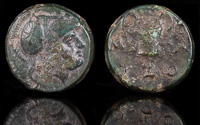
Methymna, Lesbos 350-240 BCE
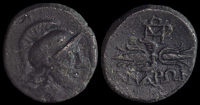
Metropolis, Ionia 100-0 BCE
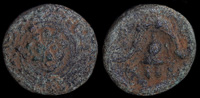
Miletos 320 BCE
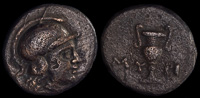
Myrina, Aeolis 400-200 BCE
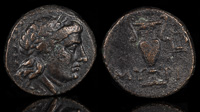
Myrina, Aeolis 4th century BCE
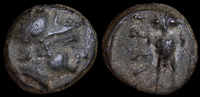
Myrina, Lemnos 386-261 BCE
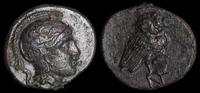
Neonteichos, Aeolis 300-100 BCE
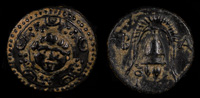
Nikokreon of Salamis 323-317 BCE
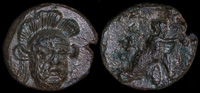
Ophrynion, Troas 350-300 BCE
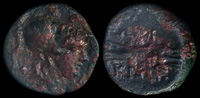
Orikos, Illyria 230-168 BCE
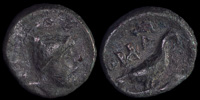
Orra, Calabria 250-225 BCE
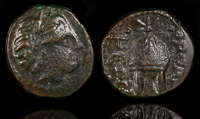
Orthagoreia, Macedon 350 BCE
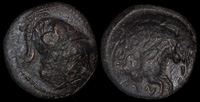
Orthe, Thessaly 4th-3rd cent BCE
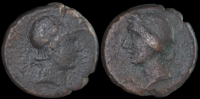
Panormos, Sicily 275-212 BCE
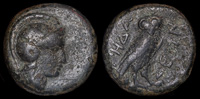
Pedasa, Ionia 4th century BCE
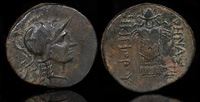
Pergamon 133-27 BCE
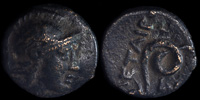
Pergamon 282-133 BCE
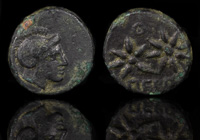
Pergamon 310-282 BCE

Perseus 179-168 BCE
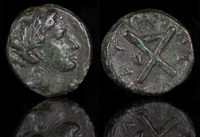
Peuma, Thessaly 302-286 BCE
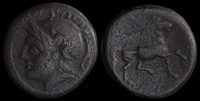
Phalanna, Thessaly 325-300 BCE
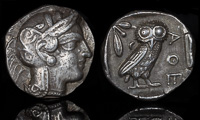
Pharaonic Kingdom 5th-mid 4th Cen BCE
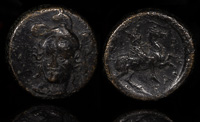
Pharsalos, Thessaly 4th-3rd cent BCE
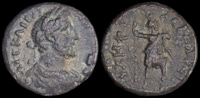
Philadelphia, Arabia Petraia 138-161 CE
Philetairos 282-263 BCE
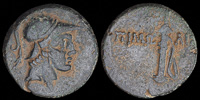
Pimolisa, Paphlagonia 111-90 BCE
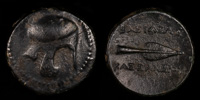
Pleistarchos 305-298 BCE
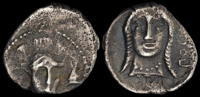
Poseidion, Cilicia 4th century BCE
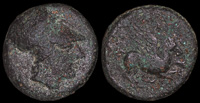
Potidaia, Macedon 380-350 BCE
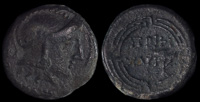
Priene, Ionia 240-170 BCE
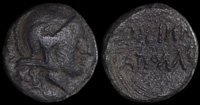
Priene, Ionia 334-320 BCE
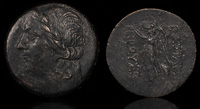
Prusias I 230-182 BCE
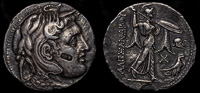
Ptolemy I Soter 311-305 BCE
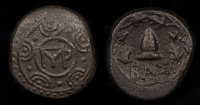
Pyrrhos 287-285 BCE or 274-273 BCE
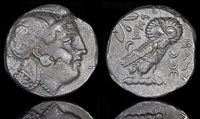
Sabakes 340-333 BCE
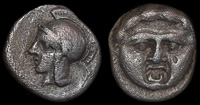
Selge, Pisidia 350-300 BCE
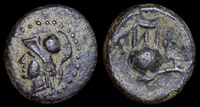
Sestos, Thrace 400-350 BCE
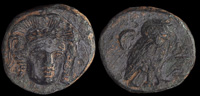
Sigeion, Troas 355-334 BCE
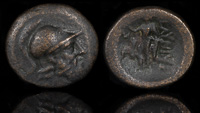
Sillyon, Pamphylia 4th century BCE
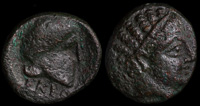
Skione, Macedon 400-350 BCE
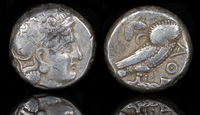
Sophytes 323-240 BCE
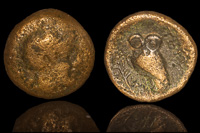
Tegea, Arkadia 4th-3rd cent BCE
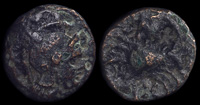
Telos, Caria 350 BCE

Thessalonika, Macedon after 148 BCE
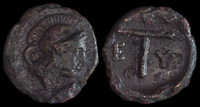
Thourion, Lukania 425-400 BCE
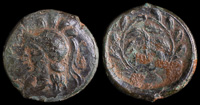
Thyrrheion, Akarnania 350-300 BCE
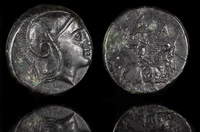
Tissaphernes 400-395 BCE
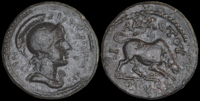
Trapezopolis, Caria 138-161 CE
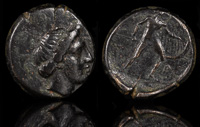
Trikka, Thessaly 400-300 BCE
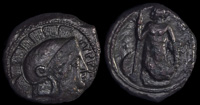
Tyrrhenoi, Sicily 354-336 BCE
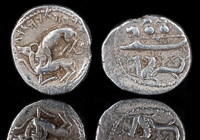
Urimilk III of Byblos 333 BCE
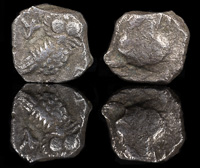
Yehud 375-332 BCE
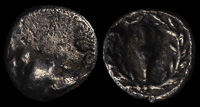
Zakynthos 400-350 BCE